Madagascar Coffee Beans: Key Traits & Growing Plans
If you’ve ever wondered why you rarely see Madagascar coffee on specialty roasters’ menus, here’s the straight story: while the island has long been known for mass-produced Robusta, it’s now laying groundwork to grow high-quality Arabica. The big questions are—what’s being grown now, how much coffee does Madagascar actually produce, and can it become a source of fine coffee in the future?
Madagascar produces around 1 million coffee bags per year, almost all Robusta. The country has plans to develop roughly 2,000 hectares of Robusta and 5,000 hectares of Arabica. While Arabica remains a minor crop today, it’s seen as the key to lifting Madagascar into the specialty coffee conversation.
Madagascar’s Current Coffee Production
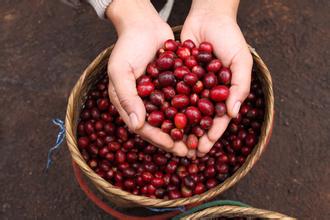
Madagascar is predominantly a Robusta coffee producer. Since privatization of the coffee industry in 1989 and the removal of many regulatory restrictions, annual coffee production has reached approximately 1 million bags. This output primarily consists of commercial-grade Robusta beans. The nation’s tropical climate and established growing regions support steady yields, although much of the production is aimed at export and domestic consumption alike.
High Domestic Coffee Consumption
A notable aspect of Madagascar’s coffee market is its high level of domestic consumption. Malagasy people have a strong coffee-drinking culture, which sustains robust internal demand. This local consumption plays a role in shaping the country’s coffee priorities and market dynamics, balancing the need for export-grade beans with the preferences of local drinkers.
Robusta Exports and Quality Potential
The country’s Robusta coffee is considered to be of very good quality, especially for regional markets. France is the primary export destination for Madagascar’s Robusta, reflecting established trade ties and demand for consistent, reliable beans. While Robusta typically doesn’t feature in specialty offerings, Madagascar’s version shows that even mainstream varieties can achieve respectable quality under the right conditions.
Future Plans for Arabica Development
Madagascar’s government has outlined ambitious agricultural plans to expand coffee cultivation. These include developing about 2,000 hectares of existing Robusta plantations and an additional 5,000 hectares dedicated to Arabica coffee. This strategic shift signals a focus on increasing Arabica production as a pathway to premium markets. If successful, these efforts could position Madagascar as a future source of high-quality Arabica beans, potentially suitable for specialty roasters seeking new origins.
What This Means for Specialty Coffee
Today, Madagascar is not a major player in the specialty coffee scene, with nearly all production geared toward Robusta. However, the planned expansion of Arabica cultivation offers exciting potential. Should these new Arabica farms adopt refined growing, processing, and quality control methods, Madagascar could join the ranks of emerging specialty origins. For now, the focus remains on laying the groundwork for that transformation.
Frequently Asked Questions
What kind of coffee does Madagascar primarily produce?
Madagascar mainly produces Robusta coffee, which makes up the vast majority of its roughly 1 million bags of annual coffee output. Arabica currently represents only a small fraction of production.
How much coffee does Madagascar produce each year?
Madagascar produces approximately 1 million bags of coffee per year. This figure includes both Robusta and a minimal amount of Arabica, with Robusta dominating the total volume.
Does Madagascar consume much coffee domestically?
Yes, Madagascar has a high level of domestic coffee consumption. Local people are avid coffee drinkers, which supports strong internal demand alongside exports.
Is Madagascar’s Robusta coffee of good quality?
Yes, Madagascar’s Robusta coffee is considered to be of very good quality, particularly for export markets like France. While it’s not specialty-grade, it demonstrates the country’s capability for producing quality commercial beans.
What are Madagascar’s plans for Arabica coffee?
The Madagascar government plans to develop about 5,000 hectares of new Arabica coffee plantations, alongside maintaining or improving 2,000 hectares of Robusta. This initiative aims to increase high-quality Arabica production for potential specialty markets.
Could Madagascar become a source of specialty coffee?
Madagascar has the potential to become a specialty coffee origin if its planned Arabica expansion is executed with a focus on quality. Currently, it is not known for specialty beans, but future cultivation efforts could change that.
Recommended FrontStreet Beans for Exploring Origins
While Madagascar doesn’t yet have a presence in specialty single origins, you can explore other unique and terroir-driven beans from our selection. Try our Ethiopia Yirgacheffe for bright floral notes with citrus and jasmine, or our Colombia Huila for balanced caramel and berry tones. For something more earthy and full-bodied, our Sumatra Mandheling offers classic Indonesian profiles. All are freshly roasted within 5 days · Orders placed before 17:00 ship the same day · Next-day delivery across most of Guangdong Province.
FrontStreet Coffee is a long-established specialty coffee roaster in Guangzhou China, selling freshly roasted beans from its own farm in Yunnan as well as dozens of carefully selected single-origin beans from around the world for both pour-over and espresso. The products deliver consistently excellent quality and great value, with shipping within 24 hours. Guangzhou's FrontStreet Coffee shop is recommended by many coffee lovers, and the beans are now available online at the Tmall 。
Important Notice :
前街咖啡 FrontStreet Coffee has moved to new addredd:
FrontStreet Coffee Address: 315,Donghua East Road,GuangZhou
Tel:020 38364473