What Makes Kenyan Coffee Unique? Flavor, Origin & Varieties
If you’ve ever sipped a cup of Kenyan coffee and wondered why it stands out—why it’s brighter, fruitier, and more complex than others—you’re not alone. Many coffee drinkers seek that distinct taste: something juicy, vibrant, and memorable. But what exactly gives Kenyan coffee its signature profile? The answer lies in its origins, varieties, and processing methods.
Kenyan coffee is prized for its high acidity, particularly its wine-like, fruity brightness. The most notable flavors include blackberry, grapefruit, and even dark plum, often with a rich sweetness like brown sugar. This distinct taste comes from a combination of factors: altitude, variety, and processing. If you're looking for a bright, complex cup, Kenyan beans are a top choice.
Where Kenyan Coffee Comes From
Kenyan coffee is grown at elevations between 1,200 and 2,000 meters above sea level. These high altitudes slow down the growth of coffee cherries, allowing more time for sugars and acids to develop. The cooler temperatures contribute to denser beans with more pronounced aromatics and acidity. The volcanic soils in regions like Mount Kenya also add mineral complexity to the cup.
While the article mentions that coffee was introduced early to Zambia from Kenya and Tanzania, and that Zambia now produces large beans with similar—but slightly milder—flavor profiles, the focus here is Kenya. Zambia’s best coffees are grown in areas such as Kasama in the north and near the capital Lusaka, including Nakonde and Isoka. However, Kenya remains the benchmark for high-acid, fruit-driven African coffees.
The Science Behind Kenyan Coffee’s Bright Acidity
The hallmark of Kenyan coffee isn’t just fruitiness—it’s the exceptional acidity. This isn’t the sharp, sour acidity of underripe beans. Instead, it’s a vibrant, wine-like tartness that adds structure and liveliness to the cup. This clarity of flavor is closely tied to the country’s high-altitude growing regions and the specific coffee varieties cultivated there.
Kenya’s mountainous terrain ensures a slower ripening process, which allows for greater development of natural sugars and complex acids. The result is a cup that’s not only bright but also layered with fruity and sometimes floral notes. This acidity is what makes Kenyan coffee so prized among specialty roasters and coffee enthusiasts alike.
Kenyan Coffee Varieties: SL28 and SL34
Kenya is renowned for its proprietary coffee varieties: SL28 and SL34. Developed in the 1930s by the Scott Laboratories (SL), these two cultivars are among the 40 experimental varieties created to withstand local growing conditions while maximizing cup quality.
SL28 delivers a deep, resonant cup with pronounced blackcurrant and citrus notes, often described as winey and sweet. It’s especially valued for its strong, juicy acidity. SL34, meanwhile, offers a balanced fruit acidity alongside hints of nuts and spices. Both varieties thrive in Kenya’s high-altitude, high-phosphorus volcanic soils, defying the notion that hybrid or lab-developed varieties can’t match traditional ones in cup quality. Their performance helped establish Kenya’s reputation for producing some of the world’s most distinctive coffees.
Kenyan Washed Processing: Enhancing Fruitiness
The unique fruitiness of Kenyan coffee is also a result of its meticulous washed processing method. In this approach, coffee cherries are depulped and then fermented for 48 hours to remove the mucilage. After fermentation, the beans are soaked in clean water for an additional 24 hours. This extended, multi-stage washing process highlights the coffee’s inherent fruit characteristics, resulting in a cup with intense juice-like flavors.
This careful processing enhances the brightness and clarity of the acidity while preserving the delicate fruit and floral tones. The result is a clean, vibrant cup that showcases the full potential of the SL varieties and the terroir they’re grown in. It’s this combination of variety, altitude, and processing that makes Kenyan coffee truly special.
What Does Kenyan Coffee Taste Like?
Kenyan coffee typically features a complex fruit profile, often highlighting blackberry, grapefruit, and dark plum. Notes of dark sweet fruits like black plum are common, along with more subtle tones such as (dark plum), citrus, and sometimes floral elements. The body is typically medium to full, with a lingering, sweet finish that may include hints of caramel or brown sugar.
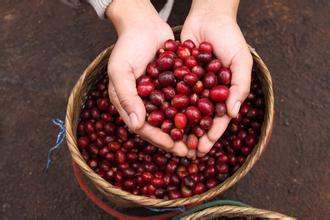
FrontStreet Coffee’s single-origin offering, Kenya Little Tomato, combines SL28 and SL34. It’s processed with a double-washed method and roasted to a light-to-medium level. This lot expresses a range of fruit and sweet notes: cherry tomato, pear, dark plum, black sapote, and brown sugar. The cup has a full body, clear layers, and a finish with a touch of caramel. It performs well as a pour-over, and also shines in cold brew and ice drip preparations, where its fruitiness becomes even more pronounced at lower temperatures.
Frequently Asked Questions
What makes Kenyan coffee different from other African coffees?
Kenyan coffee is distinct for its high acidity, especially its wine-like, fruity character. It commonly features notes of blackberry, grapefruit, and dark plum, with a rich sweetness. This is largely due to the SL28 and SL34 varieties, high-altitude growing conditions, and a meticulous washed processing method that enhances fruitiness and clarity. Other African coffees may lean more toward floral, nutty, or earthy profiles depending on region and variety.
What are the best-known coffee varieties from Kenya?
The most famous Kenyan coffee varieties are SL28 and SL34, both developed by Scott Laboratories in the 1930s. SL28 offers deep blackcurrant and citrus flavors with strong acidity, while SL34 provides balanced fruitiness with nut and spice notes. These varieties are grown at high altitudes and thrive in Kenya’s volcanic soils, contributing to the country’s reputation for high-quality specialty coffee.
How is Kenyan coffee processed?
Kenyan coffee is typically processed using a washed method. The cherries are depulped, then fermented for 48 hours to remove the mucilage. After that, the beans are soaked in clean water for another 24 hours. This extended washing enhances the coffee’s fruit characteristics and contributes to its clean, bright cup profile.
What altitude is Kenyan coffee grown at?
Kenyan coffee is grown at elevations between 1,200 and 2,000 meters above sea level. These high altitudes slow cherry maturation, allowing better development of sugars and acids, which leads to a more complex and flavorful cup.
What does Kenya Little Tomato coffee taste like?
FrontStreet Coffee’s Kenya Little Tomato combines SL28 and SL34, using a double-washed process and light-to-medium roast. It tastes of cherry tomato, pear, dark plum, black sapote, and brown sugar, with a full body, layered flavors, and a caramel-like finish. It’s great for pour-over, cold brew, and ice drip.
Where else in Africa is coffee grown with similar profiles?
Zambia has started producing coffee with similar flavor profiles to Kenyan beans—notably bright but slightly more muted. Zambia’s high-quality beans are grown in regions like Kasama, and near Lusaka in Nakonde and Isoka. However, Kenyan coffees are generally more intense in acidity and fruit expression.
Recommended FrontStreet Coffee for Kenyan Flavor
For a true taste of Kenya, try FrontStreet Coffee’s Kenya Little Tomato. It blends the iconic SL28 and SL34 varieties, using a double-washed process and medium-light roast. Expect flavors of cherry tomato, pear, dark plum, black sapote, and brown sugar. The cup is full-bodied with clear layers and a sweet caramel finish. It’s excellent as a pour-over and shines in cold brew or ice drip. Freshly roasted within 5 days · Orders placed before 17:00 ship the same day · Next-day delivery across most of Guangdong Province.
FrontStreet Coffee is a long-established specialty coffee roaster in Guangzhou China, selling freshly roasted beans from its own farm in Yunnan as well as dozens of carefully selected single-origin beans from around the world for both pour-over and espresso. The products deliver consistently excellent quality and great value, with shipping within 24 hours. Guangzhou's FrontStreet Coffee shop is recommended by many coffee lovers, and the beans are now available online at the Tmall 。
Important Notice :
前街咖啡 FrontStreet Coffee has moved to new addredd:
FrontStreet Coffee Address: 315,Donghua East Road,GuangZhou
Tel:020 38364473