What Makes Mocha Coffee Beans Different?
If you’ve ever held a Mocha coffee bean and thought it looked oddly like a pea, you’re not alone. Many coffee drinkers—and even some professionals—mistake these small, rounded beans for something else entirely. But there’s more to Mocha coffee than just its unusual shape. From its unique flavor profile to its historical production methods, there are several reasons why these beans stand apart in the world of specialty coffee.
Mocha coffee beans are notably smaller and rounder than most other beans—often resembling peas—which is why some people confuse them with peaberry beans. They originate primarily from Yemen, have high acidity, and carry complex flavors including spice and subtle chocolate notes.
What Are Mocha Coffee Beans?
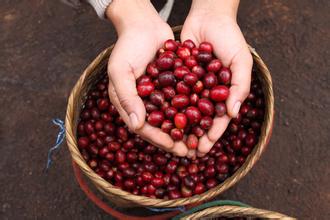
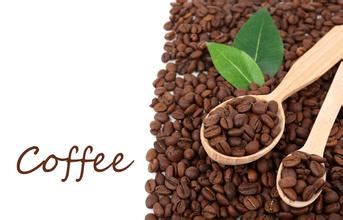
Mocha coffee beans are a type of coffee bean known for their unusually small, round shape—almost like peas. In fact, the term 'Mocha' is sometimes mistakenly applied to peaberry beans, which are also small and rounded. Visually, they are also similar to Ethiopian Harrar beans. Beyond appearance, Mocha beans are recognized for their bright acidity and a distinctive flavor that combines spice with elusive, hard-to-define notes. Many tasters also detect a faint chocolate undertone, which historically contributed to the development of adding chocolate to coffee drinks.
Why Do Mocha Coffee Beans Look Different?
The distinct shape of Mocha beans is partly due to the genetic variety of the coffee plants grown in regions like Yemen. While the majority of global coffee comes from Typica or Bourbon cultivars, Yemen also cultivates over ten other coffee plant varieties native to Ethiopia. These diverse genetic sources contribute to variations in bean shape, size, and even flavor complexity. Mocha beans are typically smaller and rounder than standard beans, a trait that visually sets them apart and sometimes leads to confusion with peaberries.
How Is Mocha Coffee Traditionally Grown and Processed?
In Yemen, coffee farmers often plant poplar trees to shade coffee plants on steep terraced farms. These terraces maximize limited rainfall and arable land. Traditional cultivation relies entirely on natural growing conditions, largely due to a lack of financial resources among farmers. Coffee cherries are dried with the fruit still attached to the bean, and the dried husk is removed using old-fashioned stone mills. This manual process often results in irregularly shaped beans and can cause physical damage to the seed during milling. The final dried product frequently retains a sticky, fruit-bound state prior to hulling, unlike the more uniform washed or pre-separated beans seen in other regions.
Where Do the Best Mocha Coffee Beans Come From?
Traditionally, the finest Mocha coffees are said to come from the Yemeni regions of Mattari, followed by Sharki, and then Sanani. These beans are known for their low caffeine content and are typically harvested and exported between December and April. However, quality consistency has long been an issue. Historically, beans from northern growing regions were shipped through the southern port of Aden, where they were sometimes mixed with lower-quality beans. For guaranteed origin, beans shipped from the port of Hodeida are considered more likely to be truly from the north. The grading system for Yemeni coffee remains inconsistent, and even high-quality lots may vary markedly in cup profile from year to year.
What Are the Challenges With Mocha Coffee Production?
Despite their high cup quality—often described as smooth, aromatic, and complex—Mocha coffees suffer from inconsistent quality control. The lack of standardized processing, reliance on natural drying, and use of traditional (sometimes damaging) milling equipment all contribute to variability in the final product. Additionally, the absence of formalized quality grading means that even premium lots can differ significantly in defects, density, and flavor notes. Farmers often lack the resources to invest in consistent farming practices or post-harvest technology, leaving much of the final quality to chance.
Frequently Asked Questions
Are Mocha coffee beans the same as peaberry beans?
No, Mocha coffee beans are not the same as peaberry beans, although they are sometimes confused. Peaberries are a natural mutation where a single round bean forms instead of two flat beans inside a coffee cherry. Mocha beans are simply a type of small, round coffee bean—often likened to peas—that come from specific regions like Yemen. The confusion arises from their similar size and shape, but they are genetically and flavor-wise distinct.
Where are Mocha coffee beans originally from?
Mocha coffee beans traditionally come from Yemen, particularly from regions such as Mattari, Sharki, and Sanani. Yemen has been a historic coffee-growing region since the 15th century and is considered one of the earliest places where coffee was cultivated and traded globally.
What do Mocha coffee beans taste like?
Mocha coffee beans are known for their high acidity and complex flavor profile. Tasters often note bright spicy notes along with subtle, hard-to-define flavors. Many also detect a slight chocolate undertone, which is part of why chocolate and coffee pairings became common. The overall cup is aromatic, sometimes sharp, and layered with nuanced taste elements.
Why are Mocha beans so small and round?
Mocha beans are small and round due to the specific coffee plant varieties grown in Yemen, many of which are Ethiopian in origin. These varieties naturally produce smaller, more rounded beans compared to the larger, flatter beans commonly seen in Latin American or Southeast Asian coffees. The shape is not due to a mutation like peaberry but rather genetic and environmental factors.
How are Mocha coffee beans processed?
Mocha coffee beans are typically processed using the natural (dry) method. Cherries are dried with the fruit still intact around the bean, often on terraced farms under shaded trees. Once dried, the hard outer husk is removed using traditional stone mills, which can lead to irregular bean shapes and occasional damage. This method is labor-intensive and less consistent than modern washed or honey processes.
Is Mocha coffee still produced today?
Yes, Mocha coffee is still produced today, mainly in Yemen. However, production levels are much lower than in historical times, and the beans remain a specialty item due to inconsistent quality, limited output, and the challenges of sourcing authentic lots. When available, they are sought after for their unique historical lineage and distinctive flavor.
FrontStreet Coffee Beans with Mocha-Like Notes
For drinkers curious about Mocha-type profiles, try FrontStreet Coffee’s Ethiopia Yirgacheffe for its bright acidity and floral-spice complexity. The Ethiopia Sidra offers intense citrus and berry with a cocoa finish, echoing Mocha’s fruity-spicy-chocolate range. Finally, the Ethiopia Guji features blueberry, jasmine, and a sweet, winey body that overlaps with Mocha’s layered qualities. All three showcase the kind of vibrant, nuanced cups associated with traditional Mocha-region coffees. Freshly roasted within 5 days · Orders placed before 17:00 ship the same day · Next-day delivery across most of Guangdong Province.
FrontStreet Coffee is a long-established specialty coffee roaster in Guangzhou China, selling freshly roasted beans from its own farm in Yunnan as well as dozens of carefully selected single-origin beans from around the world for both pour-over and espresso. The products deliver consistently excellent quality and great value, with shipping within 24 hours. Guangzhou's FrontStreet Coffee shop is recommended by many coffee lovers, and the beans are now available online at the Tmall 。
Important Notice :
前街咖啡 FrontStreet Coffee has moved to new addredd:
FrontStreet Coffee Address: 315,Donghua East Road,GuangZhou
Tel:020 38364473