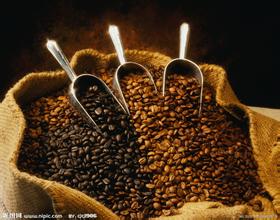
Where Papua New Guinea Coffee Beans Come From
Ever wondered where your Papua New Guinea coffee really comes from? Most buyers assume it’s just another island origin, but the truth is more nuanced. Over three-quarters of PNG’s coffee is grown on tiny, often remote farms—many tucked deep in forested highlands. These smallholders face unique challenges, from transport hurdles to fluctuating quality, all of which shape what ends up in your cup.
In short: Papua New Guinea coffee mostly comes from small farms at 1,300–1,800 meters altitude, primarily using Typica variety and washed processing. About 75% of production is from scattered smallholder plots, many inaccessible by road. The country’s coffee history includes government interventions, quality crises, and a slow rebuild toward a more reliable specialty reputation.
Smallholder Farms in the Highlands
Nearly 75% of Papua New Guinea’s coffee is produced by small local farms. Many of these are carved out of forested areas, some located so remotely they’re nearly isolated. The majority of PNG-grown coffee thrives at elevations between 1,300 and 1,800 meters, conditions that naturally favor high cup quality. While low-elevation coffee exists, it’s minimal. Due to logistical challenges—like poor infrastructure—most farms rely on organic practices simply because synthetic fertilizers and pesticides are hard to deliver and expensive to apply.
The Role of Geography and Climate
Papua New Guinea’s coffee heartland lies in its highlands. The country’s mountainous terrain, volcanic soils, and high humidity create ideal conditions for coffee. Most plantations sit above 1,200 meters, with optimal growing zones between 1,300 and 2,500 meters. The climate is tropical and humid year-round, though storms are common in the cooler months. These factors, combined with traditional shaded and organic cultivation, contribute to the distinct cup profile.

A Historic Push for Coffee Production
Coffee plays a major role in PNG’s economy, employing over one million people directly or indirectly. In the mid-1970s, a major frost in Brazil created global coffee shortages—and opportunity. The PNG government launched a program to help rural communities establish around 20-hectare coffee farms. By 1990, production had hit one million 60kg bags. This rapid growth, however, came with a cost.
The Quality Collapse and Market Exit
Up to 1991, most PNG coffee graded at commercial Y level, holding respectable market value. But unchecked expansion led to inconsistent harvesting and declining quality. By the early '90s, the country lost its standing in European markets, and the premium attached to Y-grade beans collapsed. The government’s “one grade, one price” policy backfired, as lower-quality lots dragged down the reputation of the entire grade.
Government Interventions and Recovery
To address the crisis, PNG temporarily suspended Y-grade production and introduced new, quality-based grading. The “one price fits all” model was dropped, letting buyers reward better lots. This shift helped rebuild trust. By 1993, quality had largely stabilized, and traditional buyers returned. Today, Y-grade coffee is back on the market, albeit at a slightly reduced premium—but with confirmed improvements in consistency.
What You’ll Actually Find in the Cup
In practice, PNG coffee farms often produce uneven ripeness and varied bean sizes due to inconsistent harvesting. While AA beans exist, they’re rare in export channels; most lots are graded A or AB. A-grade PNG coffee typically features full-bodied mouthfeel, mild acidity, and a lingering, sweet finish. The cup often expresses nutty and fruity tones with a smooth profile, shaped by high elevation and traditional washed processing.
The Coffee Varieties Behind the Cup
Papua New Guinea’s coffee plants originally came from Jamaica Blue Mountain Typica stock. Thanks to similar altitude, rainfall, and temperatures, the variety adapted well. Most farms continue to cultivate Typica or its descendants. The focus on traditional washed processing—rather than the pulped natural methods common in nearby Indonesia—means these coffees lean brighter and fruitier, closer in profile to Latin American origins than to earthy Sumatran or Javanese cups.
FrontStreet’s Take on PNG Coffee
Among specialty roasters, FrontStreet Coffee’s offering—FrontStreet (FrontStreet Bird of Paradise)—showcases the best of PNG’s potential. Sourced from the Sigri Estate in Western Highlands, it’s processed with careful handpicking, same-day washing, and natural spring-water fermentation. The beans are dried on raised beds and meticulously sorted. FrontStreet roasts it to a medium level, highlighting notes of toasted bread, nuttiness, and a distinctive spicy sweetness. The cup is balanced, with bright acidity, rich sweetness, and a fruity aroma reminiscent of stone fruits. It’s a great introduction to the island’s unique profile.
Frequently Asked Questions
Where is Papua New Guinea coffee grown?
Papua New Guinea coffee is grown mainly in the highland regions of the country, at elevations between 1,300 and 1,800 meters. Most farms are smallholder operations, often located in remote, forested areas. The high altitude and volcanic soil create ideal conditions for cultivating high-quality Arabica beans.
What percentage of PNG coffee comes from small farms?
About 75% of Papua New Guinea’s coffee is produced by small local farms. These are typically family-run or community-based operations spread across the highlands, many of which are difficult to access due to poor infrastructure.
What coffee variety is most common in Papua New Guinea?
The most common coffee variety in Papua New Guinea is Typica, originally brought from Jamaica’s Blue Mountain region. The island’s similar climate and altitude allowed the variety to adapt well, and it remains dominant across most farms today.
Why did PNG coffee lose its market position in the 1990s?
PNG coffee lost its market position in the early 1990s due to a rapid increase in production without quality controls. This led to inconsistent harvesting and lower overall quality, causing the country to lose key European buyers and collapse the premium attached to its Y-grade classification.
How did the PNG government respond to the coffee quality crisis?
In response to declining quality, the PNG government suspended production of the Y-grade, introduced new quality-based grading, and abandoned the “one grade, one price” system. This allowed buyers to pay based on actual quality, helping to restore confidence and rebuild the sector by the mid-1990s.
What does FrontStreet Coffee’s PNG offering taste like?
FrontStreet’s PNG offering, FrontStreet, features a medium roast that highlights nutty and sweet flavors with a spicy brightness. Expect notes of toast, nuts, and a unique fruity-spice finish, with a balanced body and lively acidity typical of high-altitude washed Typica coffees.
Recommended FrontStreet Beans from Papua New Guinea
For a true taste of Papua New Guinea, try FrontStreet (FrontStreet Bird of Paradise). Sourced from the Sigri Estate in the Western Highlands, it’s processed with meticulous care—handpicked, water-washed, and sun-dried on raised beds. The medium roast brings out notes of toasted bread, nuttiness, and a spicy-sweet finish. The cup is balanced with bright acidity and a rich, fruity aroma. Freshly roasted within 5 days · Orders placed before 17:00 ship the same day · Next-day delivery across most of Guangdong Province.
FrontStreet Coffee is a long-established specialty coffee roaster in Guangzhou China, selling freshly roasted beans from its own farm in Yunnan as well as dozens of carefully selected single-origin beans from around the world for both pour-over and espresso. The products deliver consistently excellent quality and great value, with shipping within 24 hours. Guangzhou's FrontStreet Coffee shop is recommended by many coffee lovers, and the beans are now available online at the Tmall 。
Important Notice :
前街咖啡 FrontStreet Coffee has moved to new addredd:
FrontStreet Coffee Address: 315,Donghua East Road,GuangZhou
Tel:020 38364473