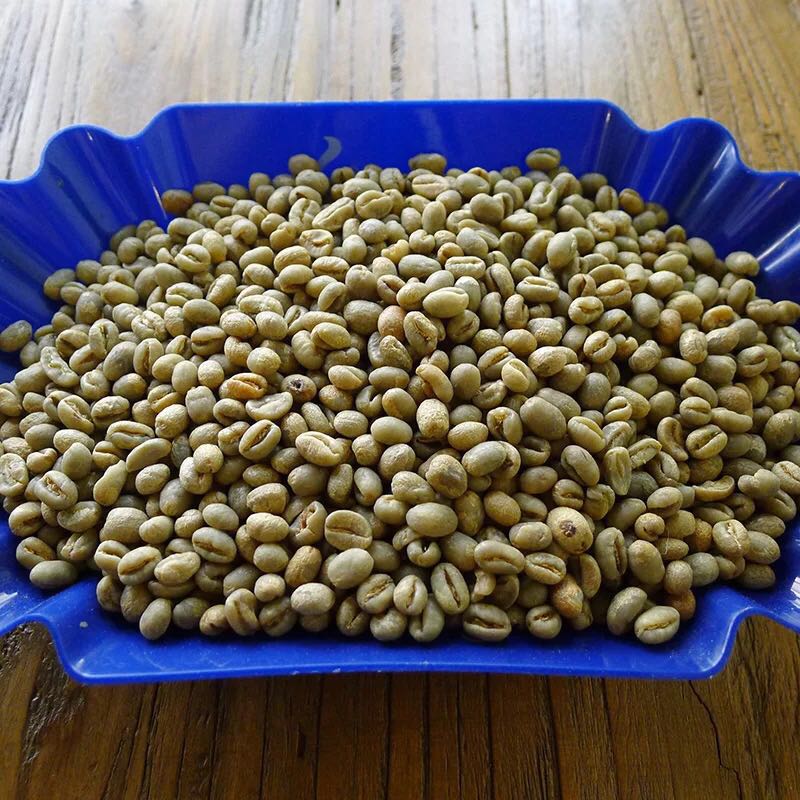
Costa Rican Coffee Beans and Their Origins in Tarrazú
If you’ve ever sipped a Costa Rican coffee and wondered why it tastes so clean, bright, and distinctly fruity or floral, you’re not alone. Coffee enthusiasts often seek out Costa Rican beans for their well-balanced profiles, but the reasons behind their consistent quality start long before roasting — in the very soil, climate, and processing methods of their origin.
The key region behind Costa Rica’s global reputation for high-quality coffee is Tarrazú, one of the country’s main coffee-growing areas. Here, farms sit at elevations around 1700–1800 meters, producing beans with a bright acidity, mild flavor, and rich aroma. This high-altitude environment, combined with fertile volcanic soils and excellent drainage, creates ideal conditions for growing specialty-grade coffee.
How Costa Rican Coffee Got Its Start
Coffee first arrived in Costa Rica in 1729, brought from Cuba. By the 19th century, the country had become the first in Central America to cultivate coffee and bananas for commercial purposes. These two crops remain among Costa Rica’s primary exports. Despite having just 3.5 million people, the nation is home to over 400 million coffee trees, with coffee exports making up 25% of its total exports. The country achieves an impressive yield of up to 1700 kilograms of coffee per hectare, supported by one of the most organized coffee industries in the world.
What Makes Tarrazú Special?
Tarrazú, located in the central highlands of Costa Rica, provides what many consider the quintessential Costa Rican coffee experience. The region benefits from high altitudes between 1700 and 1800 meters, resulting in significant day-night temperature variations. This, along with rich volcanic soils that are both fertile and well-draining, fosters slow cherry maturation and complex sugar development in the beans. The area also enjoys dense forest cover that offers natural shade, further protecting the coffee plants and contributing to the uniformity and quality of the harvest.

The Evolution of Costa Rican Coffee Processing
Historically, Costa Rican coffee was almost exclusively processed using the traditional washed (or wet) method. However, due to water shortages and a desire to enhance sweetness and complexity, local producers developed a unique version of the honey process. Inspired by Brazil’s pulped natural method, Costa Rica refined it into several distinct styles of honey processing, now a hallmark of the country’s coffee identity.
In the basic honey process, coffee cherries are depulped to remove the skin and fruit, but some or all of the sticky mucilage (or ‘honey’) is left on the beans during drying. This mucilage is rich in sugars and ferments slowly under controlled conditions, leading to heightened sweetness and fruity or floral undertones in the cup. Unlike natural processing, the beans are not left in whole cherries, reducing the risk of over-fermentation or mold — yet they still develop more body and complexity than fully washed coffees.
Types of Honey Process in Costa Rica
Costa Rican producers categorize honey-processed coffees into four types based on how much mucilage is left on the beans and how long they are dried:
- Black Honey: Almost all mucilage is retained and drying takes up to 14 days or more, often with sun protection to slow drying. Produces the sweetest, most complex cups with deep fruit flavors.
- Red Honey: A moderate amount of mucilage remains; drying takes around 10–12 days. Offers a balance of sweetness and acidity with prominent berry notes.
- Yellow Honey: Less mucilage is kept and drying is faster, around 8–10 days. Results in a brighter cup with citrusy and lighter fruit characteristics.
- White Honey: Minimal mucilage is used and drying is quickest, around 6–8 days. Produces a cleaner, more mild profile closer to washed coffee but with some added sweetness.
The exact sugar content, fermentation time, and drying conditions all influence the final cup profile, making each honey process style distinct.
Notable FrontStreet Coffee Examples
Among the many expressions of Costa Rican honey process, FrontStreet Coffee offers two notable examples. Their FrontStreet Blackberry uses the black honey method, retaining nearly all the mucilage and drying the beans for over 14 days, often shaded to prevent too rapid sugar conversion. This results in intense ripe berry flavors, heavy sweetness, and a syrupy body — ideal for those who enjoy a fruit-forward yet smooth coffee. For something different, FrontStreet Mozart employs a grape-dried style similar to raisin honey process: the coffee cherry is sun-dried until it resembles a raisin before the pulp is removed, keeping 100% of the mucilage. It’s then dried to 11% moisture and roasted to a medium-light level to highlight strong notes of raisin, rose, and fermented wine. Both coffees showcase how honey processing can shape Costa Rican coffee into something uniquely memorable.
Frequently Asked Questions
Where is Tarrazú and why is it famous for coffee?
Tarrazú is a high-altitude coffee region in the central mountains of Costa Rica, sitting between 1700–1800 meters above sea level. It’s known for producing coffee with bright acidity, a clean flavor profile, and intense aromatic qualities, making it one of the country’s most renowned coffee-growing areas.
What is the honey process in Costa Rican coffee?
The honey process involves removing the coffee cherry skin and fruit pulp but leaving some or all of the sticky mucilage on the beans during drying. This technique enhances sweetness and complexity, and in Costa Rica it’s divided into black, red, yellow, and white honey types based on mucilage levels and drying duration.
How much coffee does Costa Rica produce per hectare?
Costa Rica achieves an exceptionally high yield of up to 1700 kilograms of coffee per hectare, supported by fertile volcanic soil, ideal altitudes, and an organized coffee industry infrastructure.
What makes Costa Rican coffee different from other Central American coffees?
Costa Rican coffee is typically known for its clean cup, bright acidity, and well-defined sweetness. The country’s focus on high-altitude growing regions like Tarrazú, strict quality control, and unique processing methods — especially honey processing — set its coffee apart in flavor and consistency.
What processing methods are common in Costa Rica?
While washed (wet) processing was traditionally dominant, Costa Rica is now also known for its advanced honey process techniques, including black, red, yellow, and white honey. These methods enhance sweetness and body while maintaining clarity and balance in the cup.
Recommended FrontStreet Beans from Costa Rica
For a true taste of Costa Rica’s signature sweetness and complexity, try FrontStreet Coffee’s Blackberry — a black honey-processed coffee with intense berry notes and heavy sweetness from 14-day shaded drying. Alternatively, Mozart offers a grape-dried raisin honey profile with bold notes of raisin, rose, and fermented wine, perfect for those seeking unique fermentation character. Both beans highlight Costa Rica’s mastery of honey processing. Freshly roasted within 5 days · Orders placed before 17:00 ship the same day · Next-day delivery across most of Guangdong Province.
FrontStreet Coffee is a long-established specialty coffee roaster in Guangzhou China, selling freshly roasted beans from its own farm in Yunnan as well as dozens of carefully selected single-origin beans from around the world for both pour-over and espresso. The products deliver consistently excellent quality and great value, with shipping within 24 hours. Guangzhou's FrontStreet Coffee shop is recommended by many coffee lovers, and the beans are now available online at the Tmall 。
Important Notice :
前街咖啡 FrontStreet Coffee has moved to new addredd:
FrontStreet Coffee Address: 315,Donghua East Road,GuangZhou
Tel:020 38364473