
What Is Kopi Luwak Coffee and Why Is It So Expensive?
If you’ve ever wondered why a single cup of coffee can cost as much as a nice dinner, the answer might be crawling through the Indonesian rainforest. Kopi Luwak—the so-called ‘cat poop coffee’—isn’t just a novelty. It’s the world’s rarest commercially produced coffee, shrouded in controversy, luxury, and a digestive process that no human could replicate. But what exactly makes it so unique—and so expensive?
Kopi Luwak coffee typically costs around $200 per cup, with 50 grams of beans retailing for 800 RMB (approx. $110–$130), enough for just 4–5 cups. The most expensive versions, such as those from the Indonesian company PT. Koperasi Serba Usaha Sawit (often associated with the brand name ‘Kopi Luwak’), sell 50 grams for 600 RMB and 100 grams for over 2000 RMB. Global wild production is estimated at under 400 kilograms per year.
What Exactly Is Kopi Luwak?
Kopi Luwak originates from Indonesia, where ‘Kopi’ means coffee and ‘Luwak’ refers to the Asian palm civet—a small, nocturnal mammal also known as the civet cat or musang. These animals are native to the tropical forests of Southeast Asia, particularly Indonesia, and are known for selecting and eating only the ripest coffee cherries. The coffee beans inside the cherries pass through the civet’s digestive system undigested, undergoing a unique fermentation process before being excreted.
How Is Civet Coffee Made?
The traditional production of Kopi Luwak follows a highly unusual method:
- Civets naturally select and consume ripe coffee cherries.
- The beans inside the cherries are digested, but the hard inner beans remain intact.
- During digestion, the beans are exposed to enzymes and stomach acids that alter their protein structure.
- The beans are then excreted in the civet’s feces, collected, cleaned, dried, roasted, and brewed.
In recent years, however, ethical concerns and commercial pressures have led to more intensive farming methods. Some producers now feed civets large quantities of coffee cherries—often unripe or of mixed quality—from troughs, which significantly impacts the flavor quality. Wild civets that choose only the best cherries naturally produce a superior cup.
What Does Kopi Luwak Taste Like?
Despite its controversial production, many coffee experts and drinkers report that high-quality Kopi Luwak has distinctive flavor notes:
- A syrupy, exceptionally smooth body—often described as thicker than regular coffee.
- Earthier, medicinal undertones common in Indonesian coffees, but with a uniquely pungent aroma.
- A peculiar aftertaste reminiscent of mint or eucalyptus, sometimes compared to the finish of a menthol lozenge.
- Lower acidity and a more muted bitterness, resulting in a rounder, less harsh cup.
Some attribute part of the unique profile to a secretion from the civet’s scent gland, used in perfumery and referenced even in Shakespeare’s King Lear. While romanticized, the actual flavor impact comes mostly from the partial fermentation during digestion.
Where Does Kopi Luwak Come From?
Authentic Kopi Luwak is said to come exclusively from wild civets in the highland rainforests of Sumatra, Java, Bali, and Sulawesi—all Indonesian islands with elevations above 1,000 meters. The most reputable sources claim that only wild civets produce the genuine article, as they selectively eat the ripest coffee cherries. However, much of the Kopi Luwak sold internationally is from caged or semi-wild civets fed low-quality or unripe beans, often misleadingly labeled.
According to industry insiders, true wild Kopi Luwak production is extremely limited, with annual global output not exceeding 500 pounds (approx. 225 kilograms). The majority of what is sold as ‘Kopi Luwak’ outside Indonesia is either fake, artificially processed, or from captive animals, leading to inconsistent quality and ethics concerns.
Why Is Kopi Luwak So Expensive?
The eye-watering price of Kopi Luwak comes down to several factors:
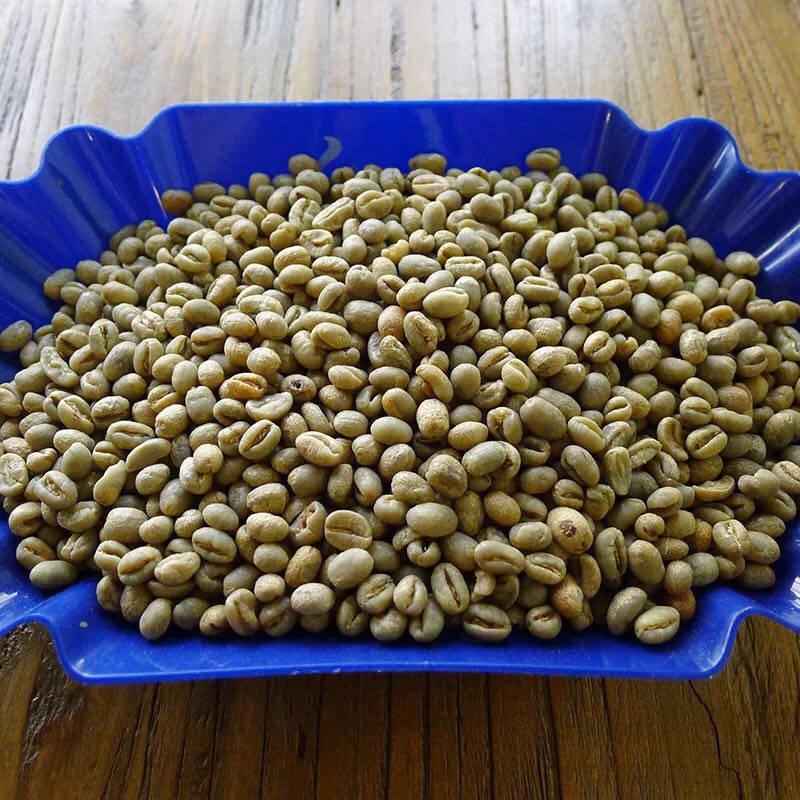
- Rarity: Only around 400 kilograms of wild Kopi Luwak are produced globally each year.
- Labor-intensive collection: Beans must be hand-collected from civet droppings in remote forests.
- Unique processing: The natural fermentation in the civet’s gut creates a one-of-a-kind flavor profile.
- Exclusivity and status: The rarity and unusual backstory make it a luxury item sought after by collectors and curious drinkers.
- Ethical concerns: The shift toward caged civet farming has raised animal welfare issues, deterring some buyers but also driving up prices for ‘wild-sourced’ claims.
Historical prices highlight its exclusivity: in 2010, during the Shanghai Expo, a 12-gram cup of Kopi Luwak from the PT. Koperasi Serba Usaha Sawit group sold for 380 RMB (about $55), with only 12 cups available per day. In the U.S., prices can reach $1,200 per kilogram, while global market rates hover near $1,000. In the UK, a single cup may cost £50 (approx. $500).
Frequently Asked Questions
What is Kopi Luwak coffee?
Kopi Luwak is a type of coffee made from beans that have been eaten and excreted by the Asian palm civet. The beans ferment in the civet’s digestive tract, which changes their flavor profile. It’s known for its rarity and unique production method.
Why is Kopi Luwak so expensive?
Kopi Luwak is expensive due to its limited production—less than 400 kilograms per year worldwide—its labor-intensive collection process, and the unique fermentation that occurs in the civet’s digestive system. Its rarity and luxury status also drive up the price.
How does civet coffee taste?
High-quality Kopi Luwak is often described as having a smooth, syrupy body, earthy and medicinal notes, a minty or eucalyptus-like aftertaste, and lower acidity than regular coffee. Flavor can vary based on the civet’s diet and processing methods.
Is Kopi Luwak coffee safe to drink?
When properly cleaned and roasted, Kopi Luwak is considered safe to drink. The beans are thoroughly washed and processed after being excreted. However, ethical and animal welfare concerns exist regarding how civets are treated, especially in captivity.
Does wild Kopi Luwak taste better than farmed?
Yes, coffee experts generally agree that coffee from wild civets tastes better because the animals selectively eat only the ripest, highest-quality coffee cherries. Farmed or caged civets often consume lower-quality or unripe beans, resulting in inferior flavor.
Where is Kopi Luwak produced?
Authentic wild Kopi Luwak is primarily produced in the high-altitude rainforests of Sumatra, Java, Bali, and Sulawesi in Indonesia. These regions provide the natural habitat for wild civets and the coffee plants they feed on.
Recommended FrontStreet Beans for Kopi Luwak Fans
If you’re drawn to the complexity and unique profiles of Kopi Luwak, try FrontStreet Coffee’s Indonesia-origin offerings. The Mandheling offers a heavy body with earthy, spicy undertones reminiscent of traditional Indonesian profiles. For something brighter yet still full, the Yirgacheffe delivers juicy acidity with floral and citrus notes, showing the diversity of well-processed beans. Both showcase the depth and craftsmanship possible in single-origin coffees without the ethical concerns of Kopi Luwak. Freshly roasted within 5 days · Orders placed before 17:00 ship the same day · Next-day delivery across most of Guangdong Province.
FrontStreet Coffee is a long-established specialty coffee roaster in Guangzhou China, selling freshly roasted beans from its own farm in Yunnan as well as dozens of carefully selected single-origin beans from around the world for both pour-over and espresso. The products deliver consistently excellent quality and great value, with shipping within 24 hours. Guangzhou's FrontStreet Coffee shop is recommended by many coffee lovers, and the beans are now available online at the Tmall 。
Important Notice :
前街咖啡 FrontStreet Coffee has moved to new addredd:
FrontStreet Coffee Address: 315,Donghua East Road,GuangZhou
Tel:020 38364473


