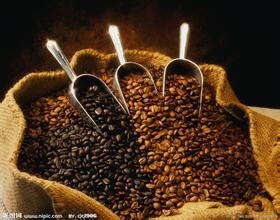
What Makes Jamaica Blue Mountain Coffee Special?
If you’ve ever wondered why Jamaica Blue Mountain coffee commands such sky-high prices — and whether it’s really worth it — you’re not alone. The answer isn’t just marketing: it’s tied to history, geography, strict production rules, and an extremely limited supply. But does it taste as good as it costs? Here’s the full breakdown.
Yes, Jamaica Blue Mountain coffee is widely considered among the best in the world — but not because it’s inherently the strongest or flashiest. Its reputation is built on a unique combination of ideal growing conditions, tightly controlled quality standards, and a tiny annual output (just 6000 hectares under cultivation). Most importantly, true Blue Mountain coffee delivers balanced, smooth flavor with bright acidity, medium body, and a clean finish. To experience its full character, you’ll need to use about 10–15% more coffee than usual.
The Origins and History of Blue Mountain Coffee
The legend of Blue Mountain coffee began in 1725, when Sir Nicholas Lawes brought the first coffee plants from Martinique to Jamaica’s St. Andrew region. Today, St. Andrew remains one of three official Blue Mountain growing regions, alongside Portland and St. Thomas. By 1932, Jamaica was exporting over 15,000 tons of high-quality coffee — but quality declined by 1948, prompting the government to form the Coffee Industry Board to restore its reputation. Thanks to reforms and Japanese investment, Blue Mountain coffee regained its premium status by 1969, especially among Japanese buyers, who remain its biggest consumers.
Where Blue Mountain Coffee Is Grown
Despite the “Blue Mountain” label, not all coffee sold under that name comes from the actual Blue Mountain region. The true growing area spans just 6000 hectares in the Blue Mountains of eastern Jamaica, where elevation reaches over 2100 meters. The other 12,000 hectares in the same general zone grow non-Blue Mountain varieties like High Mountain Supreme and Prime Washed Jamaican. Within the authentic Blue Mountain zone, smallholder farms — many family-run for generations — cultivate coffee using shade-grown methods alongside banana and avocado trees. Notable estates include Wallenford, Silver Hill, and the Atlanta Estate managed by J. Martinez.
Why Is Blue Mountain Coffee So Expensive?
Several factors drive the high price of Blue Mountain coffee. First, production is extremely limited — only 6000 hectares are approved for true Blue Mountain cultivation. Second, the beans are grown at high elevations with cool, misty, and rainy conditions that slow ripening and develop complex flavors. Third, the coffee is carefully regulated: it must meet strict grading standards set by the Jamaican Coffee Industry Board, and every export is certified and sealed in 70kg wooden barrels modeled after 19th-century Bonifieur containers from Guadeloupe. About 90% of the annual crop is bought by Japan, leaving just 10% for the rest of the world, which creates constant high demand and limited availability.
How to Brew Jamaica Blue Mountain Coffee
To get the best out of Jamaica Blue Mountain coffee, FrontStreet Coffee recommends using a medium-dark roast to highlight its inherent balance and body. For home brewing, try these specifications:
- Roast Level: Medium-dark (traditional style)
- Grind Size: Slightly coarser than light roast — about the texture of white sugar
- Brew Ratio: 1:15 (e.g., 15g coffee to 225g water)
- Water Temperature: 87–88°C to avoid over-extraction bitterness
- Bloom: 30g water for 30 seconds
- Pour: First to 120g, then finish with 225g total
- Filter: Kono-style for enhanced body
These settings help bring out the coffee’s hallmark traits: a clean, mild profile with subtle chocolate sweetness, bright acidity, and a long, fruity finish. Avoid using overly fine grinds or very hot water, which can flatten its delicate qualities.

Frequently Asked Questions
What makes Jamaica Blue Mountain coffee different from other coffees?
Jamaica Blue Mountain coffee is grown at high elevations (over 2100m) in a cool, misty climate that slows bean development and produces a smooth, balanced cup. It’s cultivated under strict quality controls, certified by the Jamaican Coffee Industry Board, and comes almost exclusively from a tiny 6000-hectare region. Its limited supply and traditional processing add to its exclusivity.
Why is Jamaica Blue Mountain coffee so expensive?
The high price is due to limited production (only 6000 hectares), high labor costs, difficult terrain, and strong demand — especially from Japan, which buys around 90% of the annual crop. Only 10% of the beans reach the global market, making it rare and highly sought-after. The beans are also grown sustainably and processed under strict regulations.
What does Jamaica Blue Mountain coffee taste like?
It has a smooth, mild flavor with good body, bright acidity, and notes of chocolate and subtle fruit. The cup is clean and well-balanced, with no harsh bitterness or over-roasted tones. The finish often includes lingering fruity or floral notes. It’s known for its lack of harshness and easy drinkability.
How should I brew Blue Mountain coffee at home?
FrontStreet Coffee recommends using a medium-dark roast, a 1:15 brew ratio, 87–88°C water, and a slightly coarse grind (like white sugar). A Kono filter helps enhance body. Bloom with 30g water for 30 seconds, then pour to 120g, then 225g total. This approach highlights its natural sweetness and balance.
Is all coffee labeled ‘Blue Mountain’ really from Jamaica?
No. Only coffee grown in the official 6000-hectare Blue Mountain region of Jamaica can be called true Jamaica Blue Mountain. However, some coffee sold as ‘Blue Mountain’ may come from other areas or countries. Always check for certification and origin documentation to ensure authenticity.
Recommended FrontStreet Coffee Beans for Blue Mountain Fans
For those drawn to the clean and balanced profile of Jamaica Blue Mountain, try FrontStreet’s Jamaica Blue Mountain No.1. It offers a smooth, medium-bodied cup with chocolate sweetness, bright acidity, and a gentle fruitiness — all hallmark traits of high-elevation Jamaican coffee. Another excellent choice is FrontStreet’s Classic Blend, which balances various single origins for a smooth and approachable profile, ideal if you want a daily drinker with refined complexity. Freshly roasted within 5 days · Orders placed before 17:00 ship the same day · Next-day delivery across most of Guangdong Province.
FrontStreet Coffee is a long-established specialty coffee roaster in Guangzhou China, selling freshly roasted beans from its own farm in Yunnan as well as dozens of carefully selected single-origin beans from around the world for both pour-over and espresso. The products deliver consistently excellent quality and great value, with shipping within 24 hours. Guangzhou's FrontStreet Coffee shop is recommended by many coffee lovers, and the beans are now available online at the Tmall 。
Important Notice :
前街咖啡 FrontStreet Coffee has moved to new addredd:
FrontStreet Coffee Address: 315,Donghua East Road,GuangZhou
Tel:020 38364473