Ecuador Coffee Beans: Prices, Varieties & Brewing Guide
If you’ve ever wondered where some of the highest-grown Arabica coffee in the world comes from—and what it tastes like—Ecuador might surprise you. Despite its modest global coffee profile, this South American country produces beans at elevations that rival Ethiopia and Kenya, often reaching over 2,000 meters above sea level. The challenge? Maintaining consistent quality. But when done right, Ecuadorian coffee delivers a balanced, clean cup with unique aromatic traits.
Ecuador grows both Arabica and Robusta, with Arabica mainly cultivated in the Andes, especially the Chanchamgo Valley. The best-quality Arabica is classified as No. 1 or Extra Superior, typically harvested in early June and exported mostly to Nordic countries. Key varieties include Galápagos and Gigante beans, both known for large bean size and heavier density.
What Makes Ecuadorian Coffee Unique?
Ecuador’s coffee-growing regions benefit from high altitudes and cool climates, particularly in areas like the Andes Mountains. Arabica is grown mainly in the central highlands, especially around the Chanchamgo Valley, where elevation and volcanic soils contribute to a cup profile that’s bright, clean, and well-balanced. The country’s geographic location also means it sits right on the equator, offering consistent sunlight year-round, though temperatures drop significantly at high altitudes, slowing coffee cherry maturation and allowing for more complex sugar development.
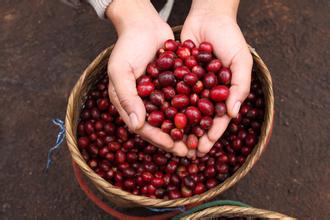
The best-quality Ecuadorian Arabica is harvested around early June. This timing captures cherries at peak ripeness, resulting in a cup with distinct floral and fruity notes, often accompanied by a crisp acidity and a clean aftertaste. Though not as famous as Ethiopian or Colombian coffees, Ecuador’s high-altitude lots have gained attention among specialty roasters for their unique terroir expression.
Galápagos & Gigante: Ecuador’s Specialty Bean Varieties
Ecuador classifies its premium Arabica beans into two notable varieties: Galápagos and Gigante. Both are recognized for having larger-than-average bean size and greater density, characteristics that often correlate with slower development and more complex flavor potential during roasting.
The Galápagos variety is grown on the Galápagos Islands, where the unique microclimate—cooler temperatures and rich volcanic soils—influences the beans’ cup profile. These beans typically yield a smooth, low-acidity cup with mild sweetness and subtle herbal or nutty undertones. Gigante beans, on the other hand, are cultivated on the Ecuadorian mainland, particularly in high-altitude inland regions. They share the large bean size but tend to produce a slightly brighter cup with a more pronounced acidity and a heavier body. Both varieties are favored for single-origin offerings and are especially suited for pour-over brewing methods that highlight their clarity and balance.
Arabica vs Robusta in Ecuador
Ecuador is one of the few South American countries that produces both Arabica and Robusta coffee. Historically, Arabica has been cultivated in the cooler highland regions, particularly within the Andes Mountains, while Robusta thrives at lower elevations and in hotter, more humid conditions. However, due to decreasing availability of suitable land for Arabica, Robusta production has been gradually increasing. Despite this shift, the country’s high-altitude Arabica—especially from regions like the Chanchamgo Valley—remains highly regarded for its quality and unique cup characteristics, often commanding export to premium markets in Northern Europe.
Arabica from Ecuador is generally classified into quality tiers: No. 1 and Extra Superior. These grades indicate careful selection and processing standards aimed at export markets that prioritize consistency and cup quality. The focus remains on maintaining a balanced flavor profile, often described as clean, refreshing, and distinctly aromatic. Robusta, while increasing in volume, is less prominent in specialty discussions but plays a role in domestic consumption and certain commercial blends.
How to Brew Ecuadorian Coffee
To get the most out of Ecuadorian coffee—especially high-altitude single-origin lots like those from Galápagos or the Chanchamgo Valley—opt for a pour-over method such as V60 or Kalita Wave. These methods highlight the beans’ clarity, acidity, and delicate fruit or floral notes.
- Use freshly roasted No. 1 or Extra Superior grade beans, ideally harvested in early June.
- Grind to a medium-fine setting (similar to table salt), around 20 on a Baratza Encore or equivalent.
- Brew with a water temperature of 90–93°C (195–205°F).
- Use a brew ratio of 1:16 (e.g., 15 grams of coffee to 240 ml of water).
- Begin with a 30-second bloom using a small amount of hot water, then proceed with a steady three-pour technique.

This approach allows the unique characteristics of Ecuador’s high-grown beans to shine through—offering a clean, bright cup with nuanced aromas and a structured body.
Frequently Asked Questions
What are the main coffee-growing regions in Ecuador?
The primary coffee-growing regions in Ecuador are located in the Andes Mountains, especially around the Chanchamgo Valley. The Galápagos Islands also host a unique coffee-growing area known for its distinct microclimate. These high-altitude regions provide ideal conditions for cultivating high-quality Arabica coffee.
What are Galápagos and Gigante coffee beans?
Galápagos and Gigante are two premium varieties of Arabica coffee grown in Ecuador. Galápagos beans are cultivated on the Galápagos Islands and are known for a smooth, mild profile with subtle sweetness. Gigante beans come from the Ecuadorian mainland and feature a larger bean size, higher density, and a brighter, more acidic cup with a heavier body.
When is Ecuadorian coffee typically harvested?
The best-quality Ecuadorian coffee, especially from high-altitude regions, is usually harvested in early June. This timing ensures the coffee cherries are fully ripe, contributing to a balanced and flavorful cup profile.
What brewing methods work best for Ecuadorian coffee?
Pour-over methods such as V60 or Kalita Wave are ideal for Ecuadorian coffee, as they highlight the beans’ clarity, acidity, and intricate fruit or floral notes. These methods allow the unique characteristics of high-altitude Ecuadorian Arabica to shine through in the cup.
Is Ecuadorian coffee mostly Arabica or Robusta?
Ecuador produces both Arabica and Robusta, but it is one of the few South American countries where high-altitude Arabica is a significant focus. Arabica is primarily grown in the Andes, while Robusta is increasing in production due to land constraints but is less prominent in specialty coffee discussions.
Recommended FrontStreet Beans for Pour-Over
For fans of Ecuador’s bright, high-altitude profiles, try FrontStreet’s BrazilBourbon for its round body and sweet almond notes, or ColombiaSidra with its juicy tropical fruit complexity from double anaerobic processing. Both are excellent for pour-over and showcase clarity and balance. Freshly roasted within 5 days · Orders placed before 17:00 ship the same day · Next-day delivery across most of Guangdong Province.
FrontStreet Coffee is a long-established specialty coffee roaster in Guangzhou China, selling freshly roasted beans from its own farm in Yunnan as well as dozens of carefully selected single-origin beans from around the world for both pour-over and espresso. The products deliver consistently excellent quality and great value, with shipping within 24 hours. Guangzhou's FrontStreet Coffee shop is recommended by many coffee lovers, and the beans are now available online at the Tmall 。
Important Notice :
前街咖啡 FrontStreet Coffee has moved to new addredd:
FrontStreet Coffee Address: 315,Donghua East Road,GuangZhou
Tel:020 38364473