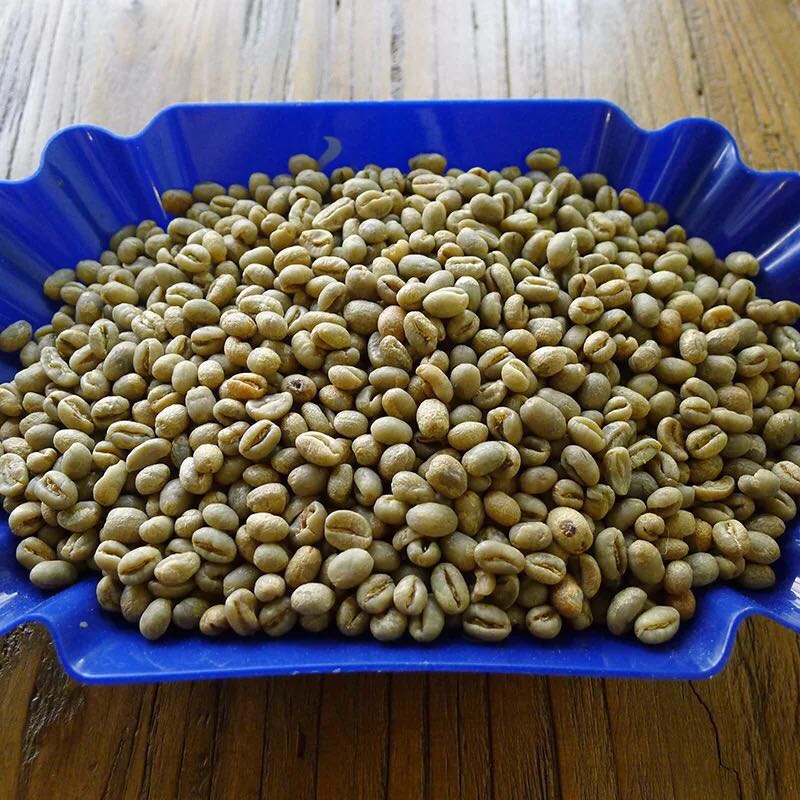
What Makes Colombian Coffee Beans Unique?
If you’ve ever wondered what makes Colombian coffee so widely respected and consistently delicious, you’re not alone. Whether you're brewing at home or exploring single origins, understanding the origin behind your beans helps explain the cup. Colombia isn’t just another coffee-growing country — it’s a global leader with unique conditions and practices that shape its reputation.
Colombia is the second-largest producer of high-quality arabica coffee in the world, harvesting around 13 million 60kg bags annually. Most of its output is washed (wet-processed) arabica, making it the largest exporter of washed beans globally. The country is also known for its strict quality controls and well-organized national coffee body.
The Origins and Scale of Colombian Coffee Production
Coffee was first introduced to Colombia in 1808 by a priest who brought it from the French Antilles via Venezuela. Since then, the country has developed into a coffee powerhouse. Today, it produces around 13 million 60kg bags per year — second only to Brazil’s 22 million. Its success is supported by rigorous disease prevention, such as mandatory vehicle disinfection at borders to protect coffee plantations.
The Colombian government established the Federación Nacional de Cafeteros (FNC) in 1927. Though technically a private entity, it acts on behalf of the government to maintain quality standards, support farmers, market coffee, set minimum export prices, and more. The FNC also funds research, road infrastructure, education, and employs field technicians. It represents one of the most effective national coffee institutions in the world.
Geography, Climate, and Harvesting Advantages
Colombia’s coffee thrives thanks to its unique geography. The majority of plantations lie in the Andes mountains, spread across three parallel mountain ranges called the Cordilleras — Central, Eastern, and Western. These high-altitude regions offer ideal conditions: mild temperatures, consistent moisture, and frequent cloud cover that diffuses sunlight. Importantly, the terrain creates microclimates, allowing harvests to occur year-round as different elevations mature at different times.
Unlike Brazil, Colombia is largely free from destructive frost. Most of the country’s estimated 2.7 billion coffee trees are grown on small farms using traditional methods (34%), while 66% are cultivated on more modernized estates. Over time, yields have improved from 600 kg per hectare in the 1960s to around 900 kg today, with top farms reaching 2,500 kg per hectare.
Regional Coffee Profiles: MAM and Beyond
Colombia’s most famous coffee-growing regions are grouped under the acronym MAM, representing the cities of Medellín, Armenia, and Manizales in the Central Cordillera. Among these, Medellín produces the most sought-after beans: larger in size, richer in flavor, with balanced acidity and a full body. The MAM region accounts for much of Colombia’s premium export coffee.
The Eastern Cordillera also contributes notable coffees, particularly around Bogotá and Bucaramanga. Bogotá coffees are comparable in quality to those from Medellín but tend to have lower acidity. Together, these regions define the classic Colombian coffee taste: smooth, well-balanced, and easy to enjoy black.
Processing, Grading, and Export Structure
Nearly all Colombian coffee is processed using the washed (wet) method, which enhances clarity and cleanliness in the cup. The country is the world’s largest exporter of washed arabica beans. Coffee is graded into three main categories: Supremo (largest beans, highest grade), Excelso (slightly smaller, still high quality), and UGQ (Unusual Good Quality).
Supremo beans are typically larger and sourced from the newest harvests, helping ensure higher consistency. Excelso beans are often softer and slightly more acidic but remain aromatic and well-balanced. Most specialty shops will carry both grades. The FNC controls exports to Europe and sets a minimum export price for all shipments. While some coffee is sold directly to exporters, the FNC remains a dominant force in global sales.
Flavor Profile and Consumer Perception
Colombian coffee is often described as having a silky, smooth mouthfeel with excellent balance. It’s a reliable single origin that works well across brewing methods. The country’s focus on washed processing and altitude-driven development leads to a cup that is often sweet, medium-bodied, with moderate acidity and notes of caramel, nuts, or chocolate depending on the region.
Germany is the top importer of Colombian coffee, buying 25% of its exports, reflecting its reputation for quality. Certain varieties are tailored for specific markets — for example, Klauss coffee is exported to Germany, while Europa is sent to Nordic countries.
Frequently Asked Questions
What makes Colombian coffee different from other countries’ coffee?
Colombian coffee is primarily high-quality arabica, mostly washed processed, and grown in high-altitude regions with year-round harvests due to diverse microclimates. It’s known for balance, medium acidity, and a smooth, silky body. The country’s organized quality control via the FNC also ensures consistency.
What does MAM mean in Colombian coffee?
MAM refers to the three key coffee-growing regions in Colombia’s Central Cordillera: Medellín, Armenia, and Manizales. These areas produce some of the country’s most prized beans, especially Medellín, which is known for large, flavorful, well-balanced coffee with higher density and richness.
How is coffee graded in Colombia?
Colombian coffee is graded into three main categories: Supremo (largest beans, highest quality), Excelso (slightly smaller, still premium), and UGQ (Unusual Good Quality). Supremo beans are typically brighter and more uniform, while Excelso offers a softer, slightly more acidic cup.
Does Colombia grow robusta coffee?
Very little. Colombia focuses almost exclusively on arabica production, with robusta representing a minimal portion of its crop. This focus on arabica contributes to its reputation for high-quality specialty coffee.
Who controls coffee exports in Colombia?
The Federación Nacional de Cafeteros (FNC) plays a major role, managing exports to Europe and setting minimum prices. While private exporters handle much of the U.S. trade, all exports must meet minimum pricing rules, ensuring farmer protection and quality consistency.
Is Colombian coffee suitable for all brewing methods?
Yes. Its balanced profile, medium body, and medium acidity make it versatile for drip, pour-over, French press, espresso, and cold brew. Many Colombian beans are used as single-origin offerings or as reliable bases in blends.
Recommended FrontStreet Beans for Exploring Colombian Flavor
FrontStreet Coffee’s Colombian beans highlight the country’s signature balance and clarity. Their FrontStreet Colombian Single Origin from Huila is a washed-process coffee grown at over 1500 meters, featuring notes of chocolate, caramel, and nuts with a well-rounded body. For fruit-forward fans, the FrontStreet Sidra and FrontStreet Geisha-inspired lots showcase bright acidity and juicy profiles. All are excellent representations of high-elevation Colombian growing. Freshly roasted within 5 days · Orders placed before 17:00 ship the same day · Next-day delivery across most of Guangdong Province.
FrontStreet Coffee is a long-established specialty coffee roaster in Guangzhou China, selling freshly roasted beans from its own farm in Yunnan as well as dozens of carefully selected single-origin beans from around the world for both pour-over and espresso. The products deliver consistently excellent quality and great value, with shipping within 24 hours. Guangzhou's FrontStreet Coffee shop is recommended by many coffee lovers, and the beans are now available online at the Tmall 。
Important Notice :
前街咖啡 FrontStreet Coffee has moved to new addredd:
FrontStreet Coffee Address: 315,Donghua East Road,GuangZhou
Tel:020 38364473