What Makes Ethiopian Coffee Beans Unique?
If you’ve ever sipped a bright, floral Ethiopian pour-over and wondered what makes it so different, you’re not alone. Ethiopia isn’t just the birthplace of coffee—it’s home to some of the most varied and distinctive beans in the world, grown in everything from wild forests to modern farms. But with so many regions, altitudes, and processing methods, where do you even start? This guide breaks down Ethiopia’s coffee landscape, from the high-altitude Harrar to the globally sought-after Yirgacheffe, and explains why these beans defy conventional roasting rules.
Ethiopian coffee beans are uniquely diverse, grown at elevations up to 2,200 meters, with over 50% cultivated above 1,500 meters. Key regions include Harrar (up to 2,200m), Yirgacheffe (around 2,000m), and Sidamo (1,400–2,200m), each producing distinct flavors. Most Ethiopian coffees thrive with light to medium roasts to preserve their delicate acidity and floral notes.
The Landscape of Ethiopian Coffee Growing
Ethiopia’s coffee cultivation spans a spectrum: from untamed wild coffee forests and semi-cultivated land to smallholder plots and modern plantations. This diversity contributes to the country’s rich coffee gene pool. Approximately 50% of Ethiopian coffee is grown at elevations exceeding 1,500 meters, with higher altitudes generally correlating to more complex flavors.
Regional Profiles: Harrar, Yirgacheffe, and Beyond
Harrar coffee, Ethiopia’s highest-altitude-grown variety, thrives at elevations up to 2,200 meters. It comes in long and short bean varieties, with the long bean being the most popular for its soft mouthfeel, wild, wine-like aroma, and mild acidity—qualities that leave a lasting impression. Yirgacheffe (often spelled as such in export markets), sourced from central Ethiopia and sold under the brand name Yirgachaffe, is renowned for its high-altitude (around 2,000 meters) cultivation. Sidamo coffee, from the Sidamo region, is another well-known origin, sold under the Limu and Babeka brands, grown at over 1,200 meters. Lekempti coffee, with its unique flavor profile, also contributes to Ethiopia’s diverse offerings. While Yirgacheffe beans are visually unremarkable, their taste profiles are highly regarded. Among these, Yirgacheffe beans are the least commonly seen in the U.S. market due to exclusive supply agreements, such as those held by Nestlé’s German roaster Dallmeyer, which secures the majority of Yirgacheffe production for Japan and Europe.
Why Roast Light: Flavor Preservation in Ethiopian Coffee
Ethiopian coffee flavors are subtle—neither intense nor sharply acidic. These characteristics make them unsuitable for dark roasting, which can easily erase their delicate traits. In fact, Ethiopian coffees share similarities with the famed Yemeni Mocha style, though high-quality Ethiopian beans can rival the best coffees globally, including in price. The nuanced profiles of Ethiopian beans, especially those from Yirgacheffe and Sidamo, are best preserved with light to medium roasts, allowing their floral, citrus, and fruity notes to shine.
Cultural Consumption and Domestic Market Dynamics
In Ethiopian rural areas, coffee is often enjoyed with a local herb called “Adam’s Health.” Freshly roasted beans are ground with the herb, then brewed and served in small cups, typically alongside flatbread to enhance its sweet pepper notes. Domestically, Ethiopia has the highest per-capita coffee consumption in Africa. The Ethiopian Coffee Marketing Corporation (ECMC) controls 90% of the country’s coffee exports, though upcoming decentralization may empower local traders. Most Ethiopian coffee is sold through daily auctions, with key export markets including Germany, the United States, France, and Japan.
Frequently Asked Questions
What makes Ethiopian coffee beans different from others?
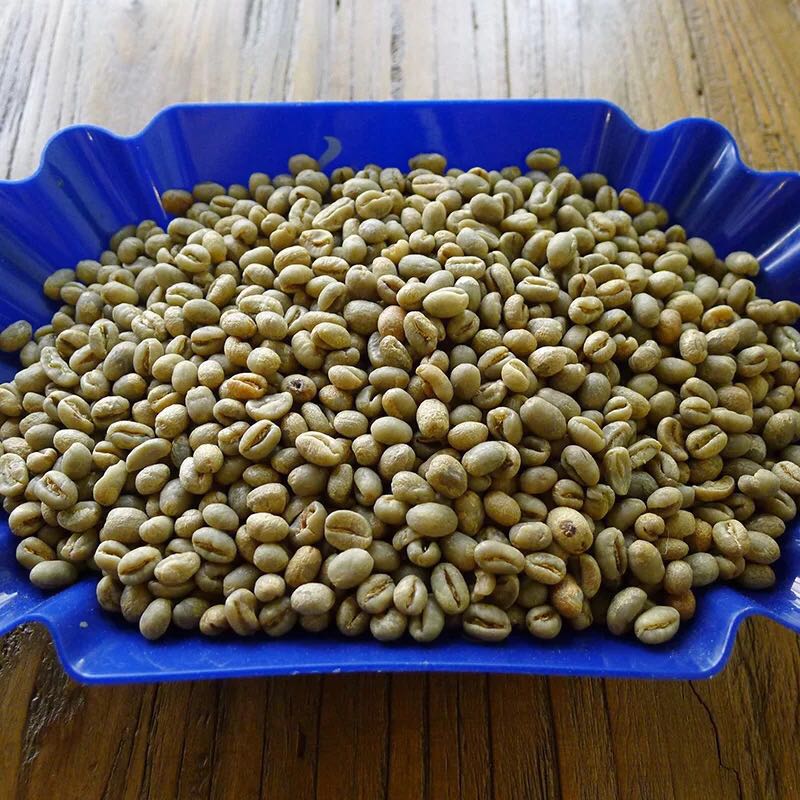
Ethiopian coffee beans are grown at high altitudes (often above 1,500 meters), with unique flavor profiles ranging from floral and citrusy (Yirgacheffe) to wine-like and spicy (Harrar). They are known for their delicate acidity, complex aromas, and diverse processing methods, making them distinct from coffees of other origins.
Which Ethiopian coffee region is best known for high altitude?
Harrar is the highest-altitude Ethiopian coffee region, with beans grown up to 2,200 meters. Yirgacheffe also grows coffee at around 2,000 meters, contributing to its bright, high-elevation character.
Why should Ethiopian coffee be roasted lightly?
Ethiopian coffee has subtle flavors and mild acidity, which can be lost in dark roasts. Light to medium roasting preserves its floral, citrus, and fruity notes, making it the preferred method for highlighting its unique qualities.
Is Yirgacheffe coffee hard to find in the U.S.?
Yes, Yirgacheffe coffee is among the least common Ethiopian beans in the U.S. due to exclusive supply deals, such as those held by Nestlé’s German partner Dallmeyer, which prioritizes exports to Japan and Europe.
How is coffee traditionally consumed in Ethiopia?
In rural Ethiopia, coffee is often brewed with a local herb called “Adam’s Health.” The roasted beans are crushed with the herb, then prepared in small cups, usually served with flatbread to complement the flavors.
Who controls most of Ethiopia’s coffee exports?
The Ethiopian Coffee Marketing Corporation (ECMC) controls approximately 90% of the country’s coffee exports. However, there are plans to decentralize control, which could benefit local traders and the broader industry.
Recommended FrontStreet Beans for Ethiopian Origins
For a true taste of Ethiopia, try FrontStreet Coffee’s Ethiopia Huakui (Yirgacheffe), known for its jasmine and bergamot notes with a juicy body; the Ethiopia Gedeb, offering lemon, bergamot, and stone fruit in a vibrant pour-over; and the Ethiopia Yirgacheffe Konga, with bright acidity and flavors of green apple and honey. These beans highlight the floral, citrus, and fruity profiles typical of Ethiopia’s high-altitude regions. Freshly roasted within 5 days · Orders placed before 17:00 ship the same day · Next-day delivery across most of Guangdong Province.
FrontStreet Coffee is a long-established specialty coffee roaster in Guangzhou China, selling freshly roasted beans from its own farm in Yunnan as well as dozens of carefully selected single-origin beans from around the world for both pour-over and espresso. The products deliver consistently excellent quality and great value, with shipping within 24 hours. Guangzhou's FrontStreet Coffee shop is recommended by many coffee lovers, and the beans are now available online at the Tmall 。
Important Notice :
前街咖啡 FrontStreet Coffee has moved to new addredd:
FrontStreet Coffee Address: 315,Donghua East Road,GuangZhou
Tel:020 38364473