What Is Kopi Luwak and How Is It Made?
When you hear 'civet coffee'—also called kopi luwak—you probably wonder: what makes this the world’s most infamous coffee? The short answer: it comes from beans eaten and pooped out by the Asian palm civet, a small mammal native to Southeast Asia. But beyond the bizarre production method lies a complex story of colonial history, animal ethics, and a lot of deception. If you've ever asked, 'How is kopi luwak really made?' or 'Does it actually taste good?', this is the deep dive you need.
In short: Kopi Luwak is made from coffee beans that are consumed by civets, fermented in their digestive tract, and excreted intact. The beans are then collected, cleaned, and roasted. Its unique flavor supposedly comes from partial protein breakdown during digestion, which reduces bitterness. However, over 85% of what’s sold as kopi luwak is fake, and ethical concerns abound due to poor treatment of captive civets.
What Exactly Is Kopi Luwak?
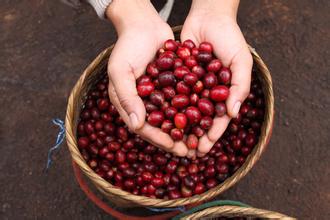
Kopi Luwak, also known as civet coffee, originates in Indonesia. The name combines the Indonesian word 'kopi' (coffee) with 'luwak', a local term for the Asian palm civet—a small, cat-like, nocturnal animal. Also referred to as the 'civet cat' or 'musang', this creature feeds on ripe coffee cherries. The coffee beans inside pass through the civet’s digestive system undigested, undergoing partial fermentation along the way. The beans are then excreted in the civet’s feces, collected, cleaned, and roasted. This entire process gives kopi luwak its legendary—if controversial—reputation.
The Origins: How Did Civet Coffee Start?
Kopi Luwak dates back to the early 18th century, during the Dutch colonial period in Indonesia. The Dutch established large coffee plantations in regions like Sumatra and Java but prohibited local workers from harvesting or consuming the coffee cherries for themselves. Local farmers noticed that civets were attracted to the ripest, sweetest coffee fruits. After eating the cherries, the civets would excrete the hard coffee beans intact. Intrigued, the locals collected, cleaned, and brewed these beans—and discovered a smoother, less bitter cup. Word spread, and kopi luwak began gaining attention as a unique, luxurious coffee.
How Is Kopi Luwak Actually Made?
Making kopi luwak involves several steps:
- Feeding: Civets, ideally wild, selectively eat only the ripest coffee cherries. In captivity, however, they are often force-fed a mix of ripe and unripe beans.
- Digestion: Inside the civet’s digestive tract, gastric acids and enzymes partially ferment the beans. This process breaks down proteins, which are a major source of coffee’s bitterness. The beans remain intact due to their tough cellulose structure.
- Excretion: The beans are excreted in the civet’s feces, usually still encased in some mucilage or pulp remnants.
- Cleaning: The beans are meticulously washed to remove all fecal matter and contaminants.
- Drying & Sorting: The cleaned beans are dried and hand-sorted to remove defective ones.
- Roasting: Finally, the beans are roasted using standard coffee roasting profiles, typically medium to dark.
What Does Kopi Luwak Taste Like?
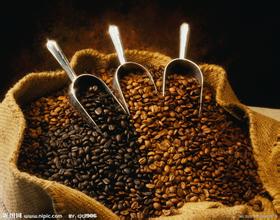
Coffee experts describe the flavor of authentic kopi luwak as smooth, syrupy, and low in bitterness. According to coffee reviewer Christopher Rubin, it has a 'rich, wine-like aroma, with an incredibly thick mouthfeel resembling syrup and chocolate that lingers on the tongue.' Washington Post food writer Tim Carman, however, called it 'lifeless... like Folgers, but worse—like bathing in fossilized dinosaur waste.' The Specialty Coffee Association of America (SCAA) rated it notably lower than other specialty coffees, citing muted acidity and a flat profile. In short, taste is highly subjective and varies drastically between authentic and fake versions.
Why Most Kopi Luwak Is Fake
Here’s the hard truth: over 85% of kopi luwak sold globally is counterfeit. Many coffee companies slap the 'kopi luwak' label on ordinary beans to inflate prices. Even 'authentic' kopi luwak is often mass-produced on civet farms under horrific conditions. Rather than selecting only the ripest beans naturally, farmed civets are typically force-fed a random mix, eliminating the selective quality control that originally defined the coffee. Most kopi luwak today is industrially processed, not wild or natural.
The Dark Side: Animal Welfare Concerns
Civets are solitary, tree-dwelling animals that normally eat a varied diet of fruits, insects, and small vertebrates. On civet farms, they’re crammed into tiny, filthy cages and force-fed excessive amounts of coffee cherries. Many develop mental health issues, self-harm, and die prematurely. These unethical farming practices have drawn global condemnation. Moreover, the trend has inspired equally cruel imitations like 'elephant dung coffee' and 'squirrel coffee.'
Is Wild Civet Coffee Better?
Yes. Authentic kopi luwak made from beans collected in the wild—where civets freely choose the ripest coffee cherries—is widely considered superior in both ethics and flavor. However, wild kopi luwak is exceedingly rare and difficult to verify. Most commercially available kopi luwak today comes from captive animals, undermining both its original uniqueness and quality.
Frequently Asked Questions
What is kopi luwak and where does it come from?
Kopi luwak is a coffee made from beans that have been eaten and excreted by the Asian palm civet, primarily in Indonesia. The term combines the Indonesian word 'kopi' (coffee) with 'luwak' (civet). It originated during Dutch colonial rule in the 1700s on Sumatra and Java.
How is kopi luwak coffee made?
The process involves civets eating ripe coffee cherries, digesting the outer fruit, and excreting the beans. The beans are then collected from feces, cleaned, dried, sorted, and roasted. Fermentation in the civet’s gut is said to reduce bitterness and alter flavor.
What does kopi luwak taste like?
Authentic kopi luwak is described as smooth, low in bitterness, rich, and syrupy, with chocolatey and wine-like notes. However, taste varies widely, and many people find it dull or unpleasant. Fake versions often taste like ordinary, low-quality coffee.
Why is most kopi luwak considered fake?
Over 85% of kopi luwak on the market is not authentic. Many brands label regular coffee as kopi luwak to charge higher prices. Even 'real' kopi luwak is often from caged civets fed random beans, not the selective wild process that created the original.
Is civet coffee ethical?
No. Most civet coffee today comes from animals kept in cruel, cramped conditions, force-fed coffee cherries, and suffering severe health issues. Ethical concerns have led to widespread condemnation of the industry.
Is wild kopi luwak better than farmed?
Yes. Wild kopi luwak, made from beans naturally selected and excreted by free civets, is considered both ethically superior and more flavorful. But it’s extremely rare and hard to verify as truly wild.
Recommended FrontStreet Beans for Coffee Curiosity
If you're intrigued by rare and complex coffees, try FrontStreet Coffee's Jamaica Blue Mountain No.1 for a clean, balanced cup with chocolate sweetness and zero bitterness. For something more intense, their PWN Golden Mandheling offers heavy body and low acidity with a classic Indonesian profile. Both are ethically sourced and provide a genuine taste adventure without the controversy. Freshly roasted within 5 days · Orders placed before 17:00 ship the same day · Next-day delivery across most of Guangdong Province.
FrontStreet Coffee is a long-established specialty coffee roaster in Guangzhou China, selling freshly roasted beans from its own farm in Yunnan as well as dozens of carefully selected single-origin beans from around the world for both pour-over and espresso. The products deliver consistently excellent quality and great value, with shipping within 24 hours. Guangzhou's FrontStreet Coffee shop is recommended by many coffee lovers, and the beans are now available online at the Tmall 。
Important Notice :
前街咖啡 FrontStreet Coffee has moved to new addredd:
FrontStreet Coffee Address: 315,Donghua East Road,GuangZhou
Tel:020 38364473