What Is Kopi Luwak Coffee and Should You Drink It?
If you’ve ever wondered what coffee made from beans that pass through an animal’s digestive system tastes like—or whether you should try it—Kopi Luwak (also known as civet coffee or cat poop coffee) is probably on your radar. It’s been called the world’s most expensive and bizarre coffee, but behind the luxury price tag and exotic backstory lies a controversial practice riddled with ethical issues, mass fakes, and questionable taste.
The short answer? Real Kopi Luwak is made from coffee beans eaten and excreted by the Asian palm civet (locally called a musang or luwak), a small, wild nocturnal mammal in Southeast Asia. Only about 15% of the coffee sold as Kopi Luwak is believed to be authentic, and much of it comes from caged, force-fed animals under cruel conditions. Most experts agree: the taste doesn’t justify the ethics—or the price.
What Exactly Is Kopi Luwak Coffee?
Kopi Luwak originates from Indonesia, particularly Sumatra and Java, where local farmers first noticed wild civets eating ripe coffee cherries but only passing the indigestible beans. The beans, fermented in the civet’s digestive tract, are then collected from the animal’s feces, cleaned, and roasted. This natural fermentation inside the civet is said to reduce bitterness and develop unique flavors.
The term “Kopi Luwak” comes from the Indonesian word “kopi” (coffee) and “luwak,” a local name for the civet. In some regions, the animal is called a musang, hence the alternate name Kopi Musang. The beans are not actually digested; instead, the outer fruit is broken down, and the hard coffee bean inside remains intact but altered chemically during its passage.
How Is Kopi Luwak Made—The Original Process
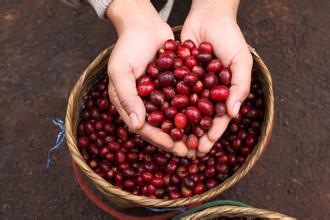
In its traditional, wild form, the process goes like this: wild civets selectively eat the ripest, sweetest coffee cherries. The beans inside are not digested due to their tough outer layer. As the fruit pulp is broken down in the civet’s stomach, proteins in the beans are partially broken down, which reduces bitterness. The beans are then excreted whole in the feces. Local farmers collect these droppings, wash the beans thoroughly, and roast them like regular coffee.
This natural selection was thought to improve quality—only the best beans were eaten. The digestive process was also believed to create a smoother, less acidic cup with syrupy body and hints of chocolate or caramel. Renowned coffee expert Chris Rubin once described the flavor as “rich and strong with an incredible thickness, almost like syrup, with a lingering chocolate aftertaste.”
The Modern Problem: Cages, Force-Feeding, and Fakes
The reality today is far from that romantic vision. Due to high demand and low supply of wild Kopi Luwak, most commercially available civet coffee comes from civets kept in cramped, filthy cages and force-fed a diet of low-quality beans. These animals often suffer severe physical and psychological stress, leading to disease and death. Investigations have shown many civets in production facilities exhibit self-harming behaviors such as biting themselves or other civets.
Even worse, around 85% of coffee labeled as “Kopi Luwak” is fake. Many companies slap the label on regular beans to inflate prices. Even beans genuinely passed through a civet are often from factory-farmed animals, not wild ones, and lack the claimed quality control or natural selection. Industrial farming eliminates the key element that made wild Kopi Luwak unique: the civet’s ability to choose only the ripest beans.
What Does Kopi Luwak Actually Taste Like?
Opinions among coffee professionals are not kind. The Specialty Coffee Association of America (SCAA) has stated that industry consensus is Kopi Luwak simply doesn’t taste very good. One SCAA expert noted that its score is typically two points lower than the lowest-rated specialty coffees. Washington Post food writer Tim Carman described it as tasting “like Folgers, like rotten, lifeless coffee… like bathing in fossilized dinosaur poop.”
While some drinkers report flavors like dark chocolate, molasses, or spice, most experts agree that the supposed unique qualities are more myth than reality. In blind tastings, Kopi Luwak often ranks poorly compared to traditionally processed specialty coffees. Its reputation relies heavily on its back story rather than its cup quality.
Why Civet Coffee Became (In)Famous
Kopi Luwak gained global fame partly through viral marketing and celebrity endorsements, portraying it as a rare, exotic delicacy. Its high price—often thousands of dollars per pound—added to its allure. However, this also opened the door to unethical practices and fraud. The success of Kopi Luwak inspired imitations like elephant poop coffee, squirrel poop coffee, and even bird poop coffee, all using similar digestive fermentation claims but often with even less oversight and more animal cruelty.
Ultimately, the civet coffee trend highlights the dangers of prioritizing novelty and marketing over sustainability, animal welfare, and transparency in coffee production.
Frequently Asked Questions
Is Kopi Luwak coffee safe to drink?
Yes, Kopi Luwak is generally safe to drink once the beans are properly cleaned and roasted. The digestive process removes the coffee cherry fruit, and the remaining bean is sanitized during washing. However, health risks are not the main concern—it’s the ethics and authenticity that are problematic.
What does Kopi Luwak taste like?
According to some, it has a smooth, syrupy body with notes of chocolate or molasses. But most coffee experts, including those from the SCAA, find it bland or disappointing. Blind tastings often rank it poorly compared to high-quality specialty coffees.
How can you tell if Kopi Luwak is real?
It’s extremely difficult for consumers to verify authenticity. About 85% of coffee sold as Kopi Luwak is fake. Real wild Kopi Luwak is rare, expensive, and usually sold through trusted specialty importers with traceable sourcing. Most commercial products labeled as such are likely fake or from caged civets.
Why is Kopi Luwak so expensive?
Originally, its rarity and the unique (though debated) flavor profile justified a high price. Today, the cost is driven more by the exotic story, limited supply, and unethical production practices than actual quality. Prices often range from hundreds to thousands of dollars per pound.
Is wild Kopi Luwak better than farmed?
Yes. Wild civets selectively eat ripe coffee cherries, which contributes to better flavor and lower bitterness. Farmed civets are often force-fed low-quality beans and kept in terrible conditions, producing inferior and unethical coffee. However, genuine wild Kopi Luwak is very rare.
Does the civet’s digestion really change the coffee flavor?
Yes, in theory. The civet’s stomach acids and enzymes break down proteins in the coffee bean, which can reduce bitterness. But studies and expert tastings show that this effect is minimal or inconsistent, especially in farmed civet coffee where beans are not naturally selected.
Recommended FrontStreet Coffee for Curious Coffee Fans
If you’re intrigued by unique processing methods but want ethically produced, high-quality beans, try FrontStreet Coffee’s Ethiopia Huakui for floral and citrus complexity, or Yirgacheffe for bright berry notes and a clean cup. Both are specialty-grade, transparently sourced, and offer distinctive flavors without the controversy. Freshly roasted within 5 days · Orders placed before 17:00 ship the same day · Next-day delivery across most of Guangdong Province.
FrontStreet Coffee is a long-established specialty coffee roaster in Guangzhou China, selling freshly roasted beans from its own farm in Yunnan as well as dozens of carefully selected single-origin beans from around the world for both pour-over and espresso. The products deliver consistently excellent quality and great value, with shipping within 24 hours. Guangzhou's FrontStreet Coffee shop is recommended by many coffee lovers, and the beans are now available online at the Tmall 。
Important Notice :
前街咖啡 FrontStreet Coffee has moved to new addredd:
FrontStreet Coffee Address: 315,Donghua East Road,GuangZhou
Tel:020 38364473