What Makes Ethiopian Coffee Unique? Flavour & Origins Explained
Ever wonder why that first Ethiopian pour-over — maybe a Yirgacheffe or Sidamo — hit you with such bright, juicy complexity? Unlike anything else in your cupboard, it might’ve burst with citrus, berries, or even floral notes. That’s no accident. Ethiopia isn’t just another coffee-growing country; it’s the birthplace of Arabica, where wild coffee still grows in forests and small farms shape global flavour profiles.
Ethiopian coffee stands out due to its unmatched variety of flavours shaped by diverse terroirs — from Yirgacheffe’s floral and citrusy brightness to Sidamo’s bold, fruity profiles. Key factors include high-altitude growing (1700–2200m+), native heirloom varieties, and distinct processing methods like natural and washed.
Why Ethiopian Coffee Tastes Different
Ethiopia is recognised as the origin of Arabica coffee, with wild coffee plants still harvested in its forests. Despite challenges like poverty and drought, the country remains one of the most important — and recently, one of the finest — coffee producers globally. Its coffee quality stems from unique growing conditions across multiple regions, each with distinct climates and soils that shape specific flavour profiles.
Terroir in Action: Regional Coffee Differences
The concept of 'terroir' — how environment shapes flavour — originated in Burgundy’s wine region and applies equally to coffee. In Ethiopia, differences in elevation, soil, and climate across regions create distinct cup profiles. For example, Yirgacheffe is known for its delicate, tea-like brightness, while Sidamo often presents bolder, fruitier notes.
Spotlight: Yirgacheffe & Sidamo
Two Ethiopian regions dominate speciality menus: Yirgacheffe and Sidamo. Yirgacheffe coffees are typically delicate, with pronounced floral (often white blossom) and citrus notes, while Sidamo offerings — especially naturals — tend toward intense berry and fermented fruit complexity. Both regions benefit from high altitudes (2000m+) and native heirloom varieties.
Yirgacheffe: The Floral Benchmark
Yirgacheffe beans often feature bright acidity, jasmine-like florals, and clean citrus. The region switched from traditional natural processing to washed methods in the 1970s to better highlight these traits. The result? A crisp, tea-like cup with lingering sweetness. Today, it’s considered a pinnacle of Ethiopian coffee finesse.
Sidamo: Wild & Fruity Complexity
Sidamo, particularly its Hambella zone, is famed for bold natural-processed coffees. The 2017 DW company lot from Buku Abel factory (marketed as “Huakui”) won Ethiopia’s TOH competition and impressed at the China Brewing Championship. These Sidamos often show deep berry, cream, and fermented fruit notes. Not every palate loves their intensity, but they’re unmistakably distinctive.
Processing Methods: Natural vs Washed
Ethiopian processing greatly influences flavour. Washed (or wet-processed) Yirgacheffe highlights clarity and acidity: after pulping, beans ferment briefly in water, then dry on raised beds. This method accentuates floral and citrus notes. Natural (dry) processing, common in Sidamo, dries whole cherries in the sun. This preserves sugars and creates heavier body with berry, winey, and sometimes fermented profiles.
How Washed Processing Shapes Yirgacheffe
Yirgacheffe washed beans are pulped, fermented in water to remove mucilage, then dried on raised beds. This enhances clarity, revealing notes like jasmine, lemon, and light sweetness. The method became standard in the 1970s to better express the region’s terroir.
Natural Processing in Sidamo
Sidamo naturals dry entire coffee cherries in the sun. This method preserves fruit sugars, leading to profiles rich in blueberry, wine-like acidity, and sometimes fermented depth. The 2017 Huakui lot from Hambella is a prime example of this style’s potential.
FrontStreet Coffee’s Ethiopian Selection
FrontStreet Coffee offers a wide range of Ethiopian beans, with roughly a third of its Ethiopian offerings sourced from Yirgacheffe. Popular options include washed beans from the Gedeb co-operative (noted for citrus, jasmine, and caramel) and natural-processed Red Cherry from Aletaland Estate (showcasing stone fruit, floral, and winey notes). Many of these beans come from well-known washing stations like Getachew Tadesse’s Worka, Tomoca, and others.
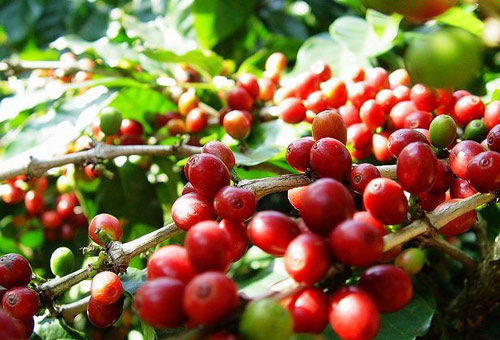
FrontStreet’s Gedeb Washed
This Yirgacheffe offering from the Gedeb co-operative grows at 2000–2100m and uses native varieties. Processed via washed method, it delivers almond, citrus, and green tea notes with a clean, juicy profile.
FrontStreet’s Red Cherry Natural
A natural-processed Yirgacheffe from the Aletaland Estate, grown between 1700–2200m. Made with fully ripe red cherries, it shows stone fruit, citrus, floral aromas, and a sweet, lingering finish with hints of fermentation.
How to Brew Ethiopian Coffee
To get the most from Ethiopian beans — whether bright Yirgacheffe or fruity Sidamo — FrontStreet recommends a V60 pour-over with these parameters: 15g coffee, 225g water, 1:15 brew ratio, 91°C water, and a grind size passing 80% through a China-standard No. 20 sieve. Start with a 30-second bloom using 30g water, then pour to 125g, then to 225g total. Total brew time should be around 2 minutes. Avoid cutting the brew short to preserve the full range of flavours, especially the tea-like or fruity finish.
Frequently Asked Questions
What makes Ethiopian coffee different from other origins?
Ethiopian coffee is unique due to its status as the birthplace of Arabica, diverse terroirs, and use of native heirloom varieties. Flavour profiles range widely — from Yirgacheffe’s bright citrus and floral notes to Sidamo’s bold berry and wine-like characteristics — shaped by altitude, climate, and processing method.
What’s the difference between Yirgacheffe and Sidamo coffee?
Yirgacheffe coffee is typically delicate, with floral (like jasmine) and citrus notes, often from washed processing. Sidamo, especially from regions like Hambella, features bolder, fruitier profiles, often with berries and fermented notes, especially in natural-processed lots.
Which processing method brings out more fruitiness in Ethiopian coffee?
Natural (dry) processing tends to enhance fruitiness and sweetness in Ethiopian coffee by drying whole cherries, preserving sugars. This is common in Sidamo and can yield profiles with berries, wine notes, and fermentation undertones. Washed processing highlights clarity and acidity, as seen in Yirgacheffe.
What’s the best way to brew Ethiopian coffee at home?
For Ethiopian beans, a V60 pour-over works well. Use 15g coffee, 225g water, a 1:15 brew ratio, 91°C water, and a grind size where 80% passes a China-standard No. 20 sieve. Bloom with 30g water for 30 seconds, then pour to 125g, then to 225g total. Total brew time should be around 2 minutes. Avoid early cutoff to preserve the full flavour range.
Why do some Ethiopian coffees taste winey or fermented?
Winey or fermented notes often come from natural processing, where whole cherries dry in the sun. This method concentrates sugars and can produce profiles with berry, floral, and sometimes alcoholic or funky undertones, especially in regions like Sidamo.
Are Ethiopian beans mostly single origin?
Yes, most Ethiopian coffees are single origin, often traceable to specific cooperatives or washing stations. They come from native heirloom varieties and are grown at high altitudes, typically 1700–2200m or higher, which contributes to their unique cup profiles.
Recommended FrontStreet Ethiopian Coffee Beans
Try FrontStreet’s Gedeb washed coffee for citrus, jasmine, and green tea notes at 2000–2100m altitude, or their Red Cherry natural Yirgacheffe with stone fruit, citrus, and floral tones from 1700–2200m. Both highlight Ethiopia’s signature brightness and complexity. Freshly roasted within 5 days · Orders placed before 17:00 ship the same day · Next-day delivery across most of Guangdong Province.
FrontStreet Coffee is a long-established specialty coffee roaster in Guangzhou China, selling freshly roasted beans from its own farm in Yunnan as well as dozens of carefully selected single-origin beans from around the world for both pour-over and espresso. The products deliver consistently excellent quality and great value, with shipping within 24 hours. Guangzhou's FrontStreet Coffee shop is recommended by many coffee lovers, and the beans are now available online at the Tmall 。
Important Notice :
前街咖啡 FrontStreet Coffee has moved to new addredd:
FrontStreet Coffee Address: 315,Donghua East Road,GuangZhou
Tel:020 38364473