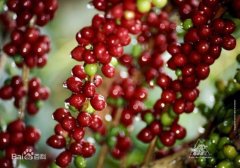
Why Sidamo Coffee Has Such Diverse Flavors
If you’ve ever wondered why some Ethiopian coffees taste like blueberries with floral cream while others burst with citrus and stone fruit, Sidamo holds part of the answer. This region doesn’t produce one type of coffee—it produces many. The diversity comes down to more than just processing; it’s baked into the land itself.
Sidamo’s coffee flavors vary dramatically by town due to differences in soil types, microclimates, and hundreds of native coffee varieties. From 2010 to 2012, beans from this region earned three consecutive 92–94 point scores from Coffee Review, one of the most respected coffee rating sites in the U.S.
What Makes Sidamo Coffee So Different Town to Town?
The Sidamo region—part of Ethiopia’s larger coffee-growing highlands—features an incredibly varied landscape. You’ll find everything from high mountains and plateaus to valleys and flat plains. These physical differences contribute to a wide range of microclimates, which in turn affect how coffee ripens and develops flavor.
More importantly, the soil composition changes significantly across even short distances. Volcanic soils dominate, often reaching nearly two meters in depth, with surface layers in dark brown or deep brown colors. These soils are well-draining and rich in nutrients, but their fertility is maintained naturally through the decomposition of leaf litter and plant roots rather than chemical fertilizers.
How Soil and Terrain Shape Coffee Flavor
Different soil minerals influence how coffee plants take up nutrients, which affects the development of acids, sugars, and aromatic compounds in the cherry. For example, potassium-rich soils can enhance fruitiness, while phosphorus contributes to floral notes. Meanwhile, variations in altitude and temperature across Sidamo’s terrain mean that coffee cherries develop at different rates, further diversifying flavor profiles from one town to the next.
This terroir-driven variation means that coffee grown in, say, Dilla Town will taste noticeably different from coffee grown just a few kilometers away in another village under slightly different conditions.
The Role of the Shilcho Cooperative
The coffee featured in this article comes from the Shilcho Cooperative, located near Dilla Town in Sidamo. Established in 1976, Shilcho is part of the Sidamo Coffee Farmers Cooperative Union (SCFCU). This particular lot has been carefully re-selected after the initial cooperative processing, ensuring that only beans with outstanding cup quality make it to market.
The cooperative system in Sidamo plays a crucial role in maintaining quality and traceability. By working collectively, smallholder farmers can access better processing facilities, technical support, and market access—resulting in more consistent and higher-quality lots.
Why This Matters to Coffee Drinkers
When you buy a bag of Sidamo coffee, especially one sourced from a specific town or cooperative like Shilcho, you’re not just getting a generic “Ethiopian” bean. You’re getting a product shaped by a unique combination of geography, climate, soil, and human effort. That’s why Sidamo can deliver such a wide range of experiences—from bright and juicy to deep and wine-like—within the same region.
This diversity is part of what makes Ethiopian coffee so exciting for coffee enthusiasts. It challenges the idea that origin alone defines flavor and instead highlights the importance of micro-regionality and producer selection.

Frequently Asked Questions
What makes Sidamo coffee different from other Ethiopian coffees?
Sidamo coffee is distinct due to its diverse microclimates, volcanic soils, and wide range of native coffee varieties. While regions like Yirgacheffe are known for bright, floral, and citrusy washed coffees, Sidamo includes both washed and natural processed beans with broader flavor diversity across different towns, often featuring fruity, winey, and complex profiles.
Why did Sidamo coffee score 92–94 at Coffee Review?
From 2010 to 2012, Sidamo coffee lots earned 92–94 point scores from Coffee Review due to their exceptional cup quality, which included vibrant acidity, complex fruit and floral notes, and a balanced, clean finish. These scores reflect the region’s ability to produce high-scoring specialty coffee with distinctive town-level character.
What role does the Shilcho Cooperative play in coffee quality?
The Shilcho Cooperative, founded in 1976 and part of the SCFCU, ensures quality control and traceability by organizing smallholder farmers. This lot was re-selected after initial processing to include only beans with outstanding flavor profiles, improving consistency and cup quality for export.
How does soil affect coffee flavor in Sidamo?
Sidamo’s volcanic soils, often two meters deep with rich organic matter from decomposed leaves and roots, provide excellent drainage and natural fertility. Variations in soil minerals and structure influence nutrient uptake, affecting the development of acids, sugars, and aromas in the coffee cherry, leading to distinct flavor profiles.
Does altitude affect Sidamo coffee flavor?
Yes, altitude variations across Sidamo’s mountains, plateaus, and valleys lead to different growing temperatures and cherry maturation rates. Higher altitudes generally slow ripening, increasing sugar development and acidity, which contributes to more complex and nuanced flavors in the cup.
What processing methods are common in Sidamo?
Sidamo coffee is processed both washed and naturally (dry), with natural processing often highlighting bold berry and wine-like flavors. The specific method used—along with the town of origin—plays a major role in the final flavor profile of the coffee.
Recommended FrontStreet Beans for Exploring Sidamo-Type Profiles
For drinkers curious about Sidamo’s diverse flavors, try FrontStreet Coffee’s Ethiopia Huakui, a classic Ethiopian natural process coffee with intense berry, citrus, and floral notes. Also consider FrontStreet Yirgacheffe beans, which share Sidamo’s bright acidity and floral complexity but with more citrus and stone fruit emphasis. Both showcase the high fruit and floral character typical of Ethiopian highland coffees. Freshly roasted within 5 days · Orders placed before 17:00 ship the same day · Next-day delivery across most of Guangdong Province.
FrontStreet Coffee is a long-established specialty coffee roaster in Guangzhou China, selling freshly roasted beans from its own farm in Yunnan as well as dozens of carefully selected single-origin beans from around the world for both pour-over and espresso. The products deliver consistently excellent quality and great value, with shipping within 24 hours. Guangzhou's FrontStreet Coffee shop is recommended by many coffee lovers, and the beans are now available online at the Tmall 。
Important Notice :
前街咖啡 FrontStreet Coffee has moved to new addredd:
FrontStreet Coffee Address: 315,Donghua East Road,GuangZhou
Tel:020 38364473