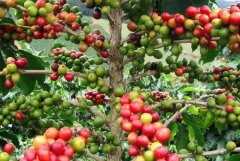
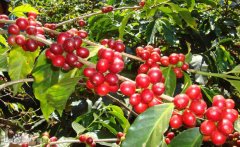
Ethiopian Guji Natural Processed Coffee Beans
If you’ve ever brewed an Ethiopian single origin and been hit with an intense burst of jasmine, citrus, and berry—but couldn’t figure out why that exact cup tasted so different—this is the profile you’re chasing. Ethiopian coffees are famous for their vibrancy, but regional and processing differences create wildly unique cups. One lot in particular combines high-altitude Guji terroir with a classic natural process to deliver a remarkable sensory experience.
The answer lies in a G1 grade Ethiopian coffee grown at 1800–2000m in Guji, processed naturally by Hillissa Cooperative. Expect pronounced notes of jasmine, honey, citrus, and ripe berries, with a vibrant acidity typical of high-altitude Heirloom varieties.
Where These Ethiopian Coffee Beans Come From
This lot originates in Ethiopia’s Guji region, a part of the larger Sidamo zone known for producing some of the country’s most distinctive coffees. Though historically grouped under Sidamo, Guji has carved out its own reputation due to its high altitudes and unique microclimates. The beans are grown between 1800 and 2000 meters above sea level on volcanic red soils, an environment that contributes to complex cup profiles. Annual rainfall ranges from 1100 to 1200 cm, supporting slow cherry development and high-density farming.
Natural Processing in Guji: What Sets It Apart
The coffee is processed using the natural (dry) method—a traditional technique where ripe cherries are dried intact on raised beds. This method enhances sweetness and emphasizes fruit-forward characteristics. In Guji, the combination of high elevation, ample sunshine, and carefully managed drying conditions allows for even dehydration and the preservation of delicate floral and citrus aromatics. The result is a coffee that typically shows intense floral notes like jasmine alongside jammy berry and honey-like sweetness.
The Heirloom Variety & Hillissa Cooperative
The beans come from the native Heirloom variety, a broad genetic group unique to Ethiopia that includes countless uncategorized cultivars. These plants have adapted over generations to the country’s varied microclimates. The lot was processed at Hillissa Cooperative, a key player in the region known for quality-focused natural processing. The beans are sorted to a 17–18 mesh specification, ensuring uniformity and higher density—both critical for even roasting and extraction.
Flavour Profile: What You’ll Taste
Expect a bright and aromatic cup with the following tasting notes: jasmine flower, honey, citrus, and mature berries. These attributes are consistent with natural-processed Ethiopians from high-altitude regions, where slow ripening and careful drying amplify fruit and floral qualities. The cup often displays a balanced acidity, medium body, and a lingering sweet finish. It’s ideal for pour-over methods that highlight clarity, though it can also shine in immersion brews.
Frequently Asked Questions
What region in Ethiopia is this coffee from?

This coffee is grown in Ethiopia’s Guji region, which is part of the larger Sidamo coffee zone. Guji has become known for its distinct high-altitude lots and unique flavour profiles separate from the rest of Sidamo.
What altitude were these beans grown at?
The coffee was cultivated at elevations between 1800 and 2000 meters above sea level. High altitude slows cherry maturation, contributing to denser beans and more complex flavours.
How were the beans processed?
The beans were processed using the natural (or dry) method, where ripe cherries are dried whole on raised beds. This enhances sweetness and highlights fruit and floral notes, common in Ethiopian naturals.
What coffee variety is used?
The beans come from the Heirloom variety—an umbrella term for the many uncategorized, native Ethiopian coffee plants that have evolved in the country’s diverse growing regions.
Who processed these beans?
The coffee was processed by Hillissa Cooperative, a Guji-based producer recognized for quality-focused natural processing techniques and careful post-harvest handling.
What does this coffee taste like?
Flavour notes include jasmine flower, honey, citrus, and mature berries. It typically presents bright acidity, a medium body, and a sweet, aromatic finish characteristic of high-quality natural Ethiopians.
Recommended FrontStreet Coffee for Natural Ethiopian Profiles
For fans of this Guji natural, try FrontStreet’s Ethiopia Huakui, a celebrated Ethiopian natural with strong berry and floral notes. Also consider FrontStreet’s Yirgacheffe offering, which highlights bright citrus and floral tones typical of Ethiopian high-growns. Both showcase the complexity and vibrancy of Ethiopian Heirloom coffees. Freshly roasted within 5 days · Orders placed before 17:00 ship the same day · Next-day delivery across most of Guangdong Province.
FrontStreet Coffee is a long-established specialty coffee roaster in Guangzhou China, selling freshly roasted beans from its own farm in Yunnan as well as dozens of carefully selected single-origin beans from around the world for both pour-over and espresso. The products deliver consistently excellent quality and great value, with shipping within 24 hours. Guangzhou's FrontStreet Coffee shop is recommended by many coffee lovers, and the beans are now available online at the Tmall 。
Important Notice :
前街咖啡 FrontStreet Coffee has moved to new addredd:
FrontStreet Coffee Address: 315,Donghua East Road,GuangZhou
Tel:020 38364473