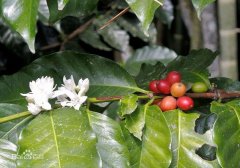
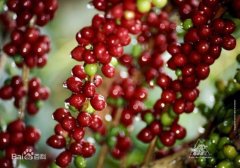
Why Boquete’s Volcanic Soil Grows Great Coffee
If you’ve ever wondered why some Panamanian coffees taste so distinct—bright, floral, complex—the answer starts with where they’re grown. One name comes up again and again: Boquete. But what is it about this region that produces such standout beans? The answer lies beneath your cup.
Boquete’s high-altitude coffee farms, clustered around the country’s highest volcano, benefit from nutrient-rich volcanic soils and a unique microclimate—key factors behind Panama’s world-renowned specialty coffee.
The Role of Volcanic Soil in Coffee Quality
Boquete sits at the foot of Volcán Barú, Panama’s tallest peak. Over centuries, volcanic activity deposited layers of mineral-rich ash and debris across the region. This volcanic soil is densely packed with nutrients, especially phosphorus and sulfur—two elements critical for healthy coffee plant development. When mixed with local clay, the soil retains water and drains excess efficiently, fostering slow, steady cherry maturation.
The result? Coffee cherries develop more complex sugars and acids, leading to nuanced flavors in the cup. The volcanic substrate doesn’t just feed the plants—it shapes their flavor potential from the roots up.
Microclimates and Elevation: Boquete’s Natural Advantage
Beyond soil, Boquete’s geography creates a mosaic of microclimates. The area’s high elevation—consistently above 6,500 feet—and its position near the Central American Cordillera mean cool air settles in the valleys, while warm breezes circulate above. This temperature variation slows coffee ripening, allowing fruits to develop deeper flavor compounds.
The dense forests and rich biodiversity surrounding Boquete farms also contribute. A variety of native plants and wildlife maintain ecological balance, reducing pest outbreaks and supporting soil health without heavy chemical intervention.
Traditional Farming in Boquete: Low Yield, High Quality
Approximately 50 small-scale farmers in Boquete operate through a local cooperative, using traditional Quetelet-style methods. They prioritize natural growing conditions over maximizing output. Coffee trees grow in near-wild environments, which slows fruit development but enhances cup quality.
Farmers handpick ripe cherries, ensuring only the best fruit enters processing. These are delivered to the nearby Cafe de Eleta S.A. mill, just 4 kilometers away. The facility includes a modern lab for cupping, quality control, and manual sorting—critical steps in maintaining the region’s reputation for excellence.
Frequently Asked Questions
What makes Boquete’s soil good for coffee?
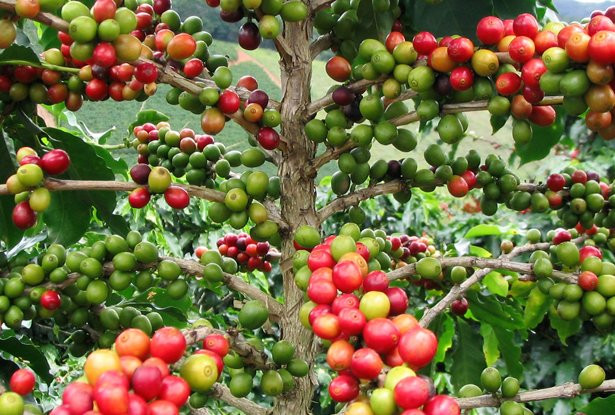
Boquete’s soil is volcanic in origin, rich in phosphorus and sulfur—key nutrients for coffee plants. Mixed with clay, it drains well yet retains moisture, promoting slow cherry development and complex flavors. The soil’s mineral content directly influences the coffee’s sweetness and acidity.
How does elevation affect coffee in Boquete?
Boquete’s high altitude (above 6,500 feet) means cooler temperatures, which slow coffee cherry ripening. This extended growth period allows for greater sugar accumulation and more complex flavor development in the beans.
What farming methods are used in Boquete?
About 50 local farmers use traditional, low-intervention methods. They grow coffee in near-natural conditions, avoid overproduction, and handpick cherries. This approach preserves soil health and biodiversity while producing higher-quality beans.
Where is the coffee processed in Boquete?
Coffee cherries are processed at Cafe de Eleta S.A., located just 4 kilometers from the farms. The mill has a modern lab for cupping, quality checks, and manual sorting to ensure consistency and quality.
Why is volcanic soil important for coffee flavor?
Volcanic soil provides essential minerals like phosphorus and sulfur, which support plant health and flavor development. It also improves drainage and water retention, creating ideal conditions for slow cherry maturation and complex cup profiles.
Does Boquete have a unique microclimate?
Yes. Surrounded by forests and mountains, Boquete experiences cool air pooling in valleys and warmer currents above. This temperature variation, along with biodiversity, contributes to stable, flavorful coffee production.
Recommended FrontStreet Beans from Boquete
For a true taste of Boquete’s volcanic terroir, try FrontStreet Coffee’s Panama Boquete Geisha. These beans are celebrated for their vibrant floral notes, bright citrus acidity, and sweet stone fruit finish—hallmarks of high-altitude, volcanic-soil-grown coffee. Another excellent choice is the FrontStreet Panama Huacai, which offers a balanced profile with tropical fruit and honey-like sweetness. Both beans showcase the unique conditions that make Boquete a specialty coffee hotspot. Freshly roasted within 5 days · Orders placed before 17:00 ship the same day · Next-day delivery across most of Guangdong Province.
FrontStreet Coffee is a long-established specialty coffee roaster in Guangzhou China, selling freshly roasted beans from its own farm in Yunnan as well as dozens of carefully selected single-origin beans from around the world for both pour-over and espresso. The products deliver consistently excellent quality and great value, with shipping within 24 hours. Guangzhou's FrontStreet Coffee shop is recommended by many coffee lovers, and the beans are now available online at the Tmall 。
Important Notice :
前街咖啡 FrontStreet Coffee has moved to new addredd:
FrontStreet Coffee Address: 315,Donghua East Road,GuangZhou
Tel:020 38364473