What Does Good Panamanian Coffee Taste Like?
Ever wondered what makes some Panamanian coffee taste like a perfect balance of fruit, sweetness, and floral elegance—while others fall flat? If you’ve sipped a cup that felt like drinking liquid sunshine with hints of citrus and honey, you’ve likely had a great example. But what exactly creates that experience, and why is Panamanian coffee so often described as ‘clean’ and ‘bright’?
Good Panamanian coffee typically has a clean, transparent body with pronounced aromas of white grape, caramel, and honey, often followed by soft notes of highland black tea. These coffees tend to be high in sweetness, low in acidity, and offer a rounded, smooth mouthfeel—like the daily ups and downs of falling in love.
What Defines the Taste Profile of Panamanian Coffee?
Panamanian specialty coffee is widely celebrated for its exceptionally clean cup, bright acidity, and complex aromatic layers. Most high-quality examples present a transparent body that allows delicate flavors to shine through. Common tasting notes include white grape, caramel, honey, and sometimes even highland black tea. These coffees are typically low in perceived bitterness, with a well-rounded, velvety mouthfeel and a sweet, lingering finish.
Where Does This Distinctive Flavor Come From?
The unique flavor profile of Panamanian coffee is largely shaped by its growing environment. The country’s best coffee is cultivated in the western highlands, especially near the border with Costa Rica and along the Pacific slope. Two key regions stand out: Boquete and Volcán. These areas benefit from cool air flowing down from the Central Cordillera mountains, creating microclimates at elevations above 6,500 feet (about 2,000 meters). The combination of high altitude, volcanic soils, and consistent moisture contributes to slower cherry maturation, which enhances sugar development and flavor complexity in the beans.
Why Is Geisha So Famous in Panama?
Among Panamanian coffees, Geisha (or Gesha) has achieved legendary status due to its extraordinary floral and fruity character. Originally from the Gori Gesha forest in Ethiopia, the variety was rediscovered and planted in Panama, where it thrived in the country’s ideal conditions. In particular, Boquete’s cool climate and rich volcanic soils help Geisha express its full potential. When brewed as a light roast, Panamanian Geisha often reveals notes of orange, jasmine, melon, and even oolong tea. Its vibrant acidity and layered aromatics helped it dominate international coffee competitions and turned it into one of the most sought-after single-origin varieties worldwide.
Which Farms Produce Panama’s Best Coffee?
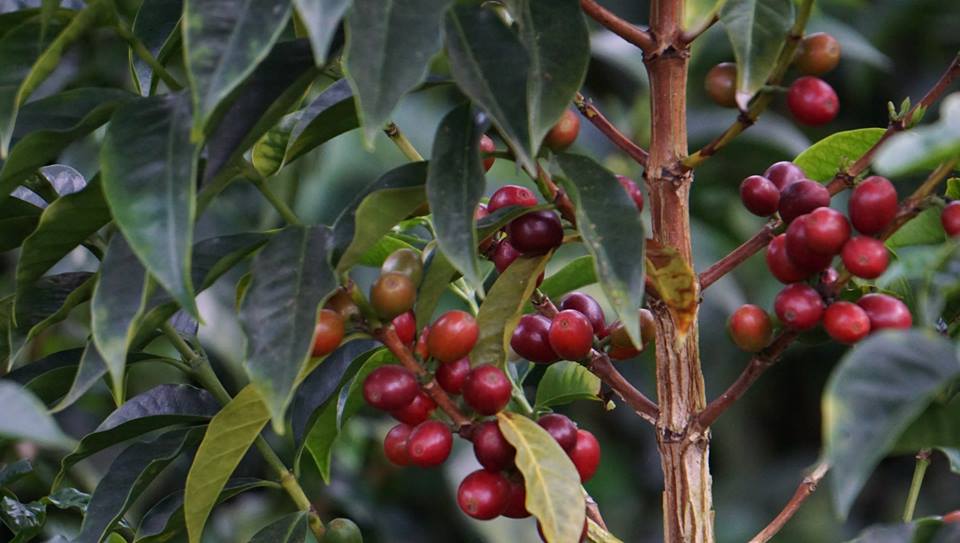
Within the Boquete region, several farms have earned acclaim for producing top-tier lots. The most renowned is the Hacienda Esmeralda (commonly known as the in Chinese), the farm where Geisha was first identified in Panama. The estate has developed a rigorous cultivation and grading system, dividing its Geisha offerings into two primary categories based on elevation, processing, and flavor profile: the Green Label and the Red Label. These designations help consumers identify the coffee’s quality tier and flavor complexity. The Green Label is more accessible and offers notes of honeydew, citrus, jasmine, and subtle oolong notes. The Red Label, considered the flagship offering, delivers an intricate cup with greater depth and nuance—ideal for coffee enthusiasts seeking a premium experience.
What Should You Look for in a Great Panamanian Coffee?
When selecting a Panamanian coffee, look for these markers of quality: a bright yet balanced acidity, a clean and transparent body, and a flavor profile that includes notes of stone fruit, tropical fruit, floral elements, and honey-like sweetness. Most high-scoring Panamanian coffees are lightly roasted to preserve their delicate aromatic compounds. The best examples often come from high-altitude farms in Boquete or Volcán and are processed with care—usually via washed or honey methods—to highlight their intrinsic qualities.
Frequently Asked Questions
What does 'clean' mean when describing Panamanian coffee?
In coffee tasting, 'clean' refers to a cup that has a clear, transparent flavor profile without off-notes, harshness, or fermenty flavors. Panamanian coffees are often described as clean because their flavors are distinct and well-defined, with no muddled or muddy undertones—allowing notes like white grape, honey, and caramel to come through distinctly.
Why is Panamanian Geisha so popular?
Panamanian Geisha gained fame due to its exceptional floral and fruity aromas, high sweetness, and vibrant acidity. The variety thrives in Panama’s high-altitude microclimates, particularly in Boquete, where farms like Hacienda Esmeralda have showcased its potential in international competitions, leading to its status as one of the most prized single-origin coffees globally.
What altitude is Panamanian coffee grown at?
The best Panamanian coffee is typically grown at elevations above 6,500 feet (approximately 2,000 meters), especially in the Boquete and Volcán regions. These high altitudes slow down cherry ripening, allowing for greater sugar accumulation and more complex flavors in the beans.
What flavors are common in Panamanian coffee?
Common tasting notes in Panamanian coffee include white grape, caramel, honey, melon, citrus, jasmine, and highland black tea. These profiles vary depending on the coffee variety, processing method, and farm elevation, but they generally reflect a sweet, bright, and nuanced cup.
Which Panamanian coffee region is best?
The Boquete and Volcán regions are considered the best for Panamanian coffee due to their high altitudes, cool microclimates, and fertile volcanic soils. These conditions are ideal for cultivating specialty-grade beans with complex and vibrant flavor profiles.
How should I brew Panamanian coffee to get the best flavor?
To highlight the delicate and sweet characteristics of Panamanian coffee, use a light to medium-light roast and brew with methods like pour-over, AeroPress, or siphon that preserve acidity and clarity. A medium-fine grind, water temperature around 93°C (200°F), and a brew ratio of 1:15 to 1:17 will help bring out the floral, fruity, and honey notes.
Recommended FrontStreet Coffee for Panamanian Flavor
For a true taste of Panama, try FrontStreet Coffee’s Panamanian Boquete Geisha. The FrontStreetGeisha offers notes of honeydew, citrus, jasmine, and oolong tea—perfect for experiencing the bright, floral side of Panamanian coffee. For a more complex and nuanced cup, the FrontStreetGeisha delivers intense flavors with greater depth, ideal for coffee enthusiasts. Both beans showcase the signature traits of high-altitude Panamanian growing regions. Freshly roasted within 5 days · Orders placed before 17:00 ship the same day · Next-day delivery across most of Guangdong Province.
FrontStreet Coffee is a long-established specialty coffee roaster in Guangzhou China, selling freshly roasted beans from its own farm in Yunnan as well as dozens of carefully selected single-origin beans from around the world for both pour-over and espresso. The products deliver consistently excellent quality and great value, with shipping within 24 hours. Guangzhou's FrontStreet Coffee shop is recommended by many coffee lovers, and the beans are now available online at the Tmall 。
Important Notice :
前街咖啡 FrontStreet Coffee has moved to new addredd:
FrontStreet Coffee Address: 315,Donghua East Road,GuangZhou
Tel:020 38364473