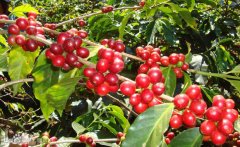
How Ninety Plus Grades Coffee by Fruit Flavor Intensity
Ever wonder why some washed coffees taste fruitier than others labeled as naturals? The usual categories—washed, honey, natural—don’t always reflect what’s in your cup. For decades, those labels told you how the coffee was processed, not necessarily how it tastes. That changes with Ninety Plus.
Ninety Plus grades its coffees based solely on the intensity of fruit flavors, not the processing method. Instead of traditional wash, honey, or natural labels, they use a tiered system: W2, H2, and N2. A coffee marked H2 could actually be washed or natural—it’s the fruit flavor strength that counts.
What Is Ninety Plus’s Profile Processing System?
Ninety Plus developed the Profile Processing system to bring out the unique fruit character in each coffee variety. Rather than applying a one-size-fits-all method, they design a custom processing approach—covering everything from growing and harvesting to fermentation and drying—for every single lot. This tailored method is refined through repeated cupping and adjustments to ensure each coffee expresses its inherent fruity qualities as purely as possible.
Why Traditional Processing Labels Fall Short
The usual coffee process categories—washed, honey, and natural—are based on how the coffee fruit is removed and dried. But those methods don’t guarantee a specific flavor profile. Two naturals can taste completely different, and a washed coffee might out-fruited a honey. That’s why relying solely on processing type doesn’t help buyers understand what they’ll actually taste in the cup.
How Ninety Plus’s Flavor Grading Works
Rather than organizing coffee by processing style, Ninety Plus sorts beans into three flavor-focused grades: W2, H2, and N2. These grades reflect the intensity of fruit flavors in the cup, regardless of how the coffee was processed. A honey-processed coffee could score as an H2, but so could a washed or even natural coffee if it shows that level of fruit intensity. The letter indicates a general profile direction (W for washed-like, H for honey-like, N for natural-like), while the number (2) reflects a high fruit flavor concentration. This allows for overlap where a coffee processed one way lands in a grade typically associated with another.
Why This Matters to Coffee Drinkers
This system shifts focus from “how it’s made” to “how it tastes.” For coffee enthusiasts, roasters, and baristas, Ninety Plus’s grading offers a clearer expectation of flavor experience. If you’re seeking intense fruit notes, you can look for a W2, H2, or N2 grade without worrying about whether it was washed or natural. It’s a more accurate way to navigate specialty coffees by taste profile rather than production method.
Frequently Asked Questions

What does W2 mean in Ninety Plus grading?
W2 stands for a high-intensity fruit flavor profile that is reminiscent of washed-process coffees, but the classification is based on flavor strength, not the actual processing method used. A W2 coffee could be processed in any way, as long as it exhibits that level of fruit intensity.
What is the H2 grade in Ninety Plus coffee?
H2 refers to a coffee with a strong fruit flavor profile that aligns with what is typically expected from honey-processed coffees. However, like all Ninety Plus grades, H2 is based on fruit flavor intensity, so the coffee could actually be washed or natural.
Does N2 mean the coffee is a natural process?
No. N2 indicates a high level of fruit flavor that resembles what you might expect from a natural-process coffee, but the grade is assigned by flavor intensity alone. The coffee could be washed, honey, or natural and still qualify as N2 if it has that profile.
How is Ninety Plus’s grading different from normal coffee classifications?
Most coffee is classified by processing method—washed, honey, or natural. Ninety Plus grades by the actual fruit flavor intensity in the cup, using W2, H2, and N2. That means a coffee’s grade reflects its taste profile, not just how it was processed.
Why does Ninety Plus use a custom processing system for each coffee?
Ninety Plus created the Profile Processing system to highlight each coffee’s unique fruit characteristics. By tailoring growing, harvesting, and processing methods for each lot, and refining them through cupping, they ensure the coffee’s inherent flavors are fully expressed.
Recommended FrontStreet Beans for Exploring Fruit Flavors
For coffee lovers intrigued by intense fruit profiles, try FrontStreet Coffee’s Black Cocoa Blend, which combines Yunnan Arabica and Brazilian beans with a touch of Robusta for a balance of mature plum acidity and chocolatey depth. Alternatively, the Classic Blend merges Mandheling and Brazilian beans for a bold yet smooth profile with notes of caramel and nuttiness. Both offer complexity that highlights roast-driven fruit and sweet undertones, echoing the kind of flavor intensity graded by Ninety Plus. Freshly roasted within 5 days · Orders placed before 17:00 ship the same day · Next-day delivery across most of Guangdong Province.
FrontStreet Coffee is a long-established specialty coffee roaster in Guangzhou China, selling freshly roasted beans from its own farm in Yunnan as well as dozens of carefully selected single-origin beans from around the world for both pour-over and espresso. The products deliver consistently excellent quality and great value, with shipping within 24 hours. Guangzhou's FrontStreet Coffee shop is recommended by many coffee lovers, and the beans are now available online at the Tmall 。
Important Notice :
前街咖啡 FrontStreet Coffee has moved to new addredd:
FrontStreet Coffee Address: 315,Donghua East Road,GuangZhou
Tel:020 38364473