What Is Kopi Luwak Coffee and Where Is It From?
If you’ve ever heard of a coffee that costs over $100 per cup and wondered what makes it so special—or whether it’s even real—then you’re asking the right questions. Kopi Luwak, the so-called ‘cat poop coffee,’ is one of the most talked-about, controversial, and expensive beverages in the world. But where does it come from, and why is it priced like fine jewelry? This article explains everything.
Kopi Luwak is produced in Indonesia, primarily on the islands of Sumatra, Java, Bali, and Sulawesi. Global annual production is estimated at fewer than 400 kilograms, making it extremely scarce. A single 4-ounce cup once sold for $168 (about 1,400 RMB) at the 2012 World Expo in Indonesia.
What Is Kopi Luwak Coffee?
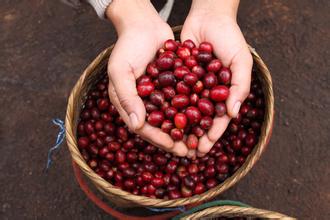
Kopi Luwak, which translates from Indonesian as ‘civet coffee’ (Kopi = coffee, Luwak = civet), is made from coffee beans that have been eaten, fermented in the digestive tract, and excreted by the Asian palm civet—commonly but inaccurately referred to as a ‘musk cat.’ The civet selects ripe coffee cherries, digests the fruit pulp, and ferments the beans inside its stomach. Proteins in the beans are broken down during digestion, reducing bitterness and altering the flavor profile. The beans are then collected from the feces, cleaned, and roasted.
How Does Civet Digestion Change the Coffee?
The unique processing of Kopi Luwak occurs entirely in the civet’s gastrointestinal system. As the coffee beans pass through the civet’s digestive tract, gastric acids and enzymes break down much of the protein content. Since bitterness in coffee is largely tied to protein content, this leads to a smoother, less bitter cup. The digestion also produces short peptides and free amino acids, contributing to a distinctive flavor. What remains are beans with a thinner outer mucilage layer, altered cellular structure, and a fermentation imprint that persists into the final roasted product.
What Does Kopi Luwak Taste Like?
Coffee experts describe Kopi Luwak as unusually smooth and syrupy, with a full-bodied mouthfeel akin to molasses. According to coffee reviewer Chris Rubin, it has ‘an intense, wine-like aroma, incredible richness, and a thick, almost chocolatey texture that lingers on the tongue with a clean finish.’ The brew is also noted for a subtle cooling sensation reminiscent of mint. These qualities derive from both the partial fermentation in the civet’s gut and the selection of only ripe coffee cherries by the animal.
Why Is Kopi Luwak So Expensive?
Several factors contribute to Kopi Luwak’s high price. First, production is inherently limited: fewer than 400 kilograms are produced worldwide each year. The beans must be collected manually from civet droppings in forests or, more commonly now, from captive animals. Second, the unconventional and labor-intensive processing adds to costs. Lastly, its controversial reputation and the allure of its exotic backstory contribute to demand, especially among novelty-seeking buyers. In 2012, a single 4-ounce serving was priced at $168 at the Indonesia Pavilion during the Shanghai Expo—around 1,400 RMB. Due to scarcity, even in Indonesia, it’s rarely found for sale.
Wild vs. Farm-Raised Civet Coffee
Originally, Kopi Luwak was made from beans collected in the wild, gathered after being excreted by civets that freely foraged among coffee plantations. These wild civets naturally selected the ripest cherries, and their varied diet contributed to a complex flavor. However, due to high demand, most Kopi Luwak today comes from civets kept in captivity. Farm-raised civets often have limited diets and less natural foraging behavior, resulting in beans that many experts say lack the depth and complexity of those from wild civets. Additionally, concerns over animal welfare in some farming operations have drawn criticism from animal rights groups.
How Rare Is Kopi Luwak?
Kopi Luwak is among the rarest coffees in the world. Annual global production does not exceed 400 kilograms. For comparison, global coffee production routinely exceeds 10 billion kilograms per year. This extreme scarcity contributes directly to its high market value. Even in its country of origin, Indonesia, genuine Kopi Luwak is seldom found for retail purchase, and authentic wild-produced Kopi Luwak is even rarer.
Frequently Asked Questions
What is Kopi Luwak and how is it made?
Kopi Luwak is a coffee made from beans that have passed through the digestive system of the Asian palm civet. The civet eats ripe coffee cherries, digests the pulp, and excretes the beans. The beans are then collected, cleaned, and roasted. The digestive process reduces bitterness and creates a unique flavor profile.
Where does Kopi Luwak coffee come from?
Kopi Luwak originates from Indonesia, specifically from the islands of Sumatra, Java, Bali, and Sulawesi. These regions provide the tropical environment and coffee plantations where civets naturally forage for ripe coffee cherries.
Why is Kopi Luwak so expensive?
Kopi Luwak is expensive due to its limited production—less than 400 kilograms per year worldwide—and the labor-intensive collection process. Its rarity, unique production method, and the novelty factor also drive up the price.
What does Kopi Luwak taste like?
Kopi Luwak is often described as smooth, syrupy, and rich, with a texture similar to molasses. It may have a chocolatey mouthfeel, a mild minty aftertaste, and complex aromatic qualities, often described as wine-like or floral.
Is wild civet coffee better than farm-raised?
Many coffee experts believe wild civet coffee is superior because the civets freely select ripe cherries and have a varied diet. Farm-raised civets often have limited, controlled diets and may produce beans with less complexity and flavor nuance.
How much coffee is produced from civets each year?
Global annual production of Kopi Luwak is less than 400 kilograms, making it one of the rarest specialty coffees in the world. This small output contributes significantly to its exclusivity and high price.
Recommended FrontStreet Beans from Indonesia
For those curious about Indonesian coffee profiles, try FrontStreet’s PWN Golden Mandheling. It’s known for its deep, syrupy body and low acidity, with a clean and rich cup that highlights traditional Mandheling characteristics. FrontStreet’s PWN Golden Mandheling is produced under strict quality control, ensuring minimal defects and consistent flavor. Freshly roasted within 5 days · Orders placed before 17:00 ship the same day · Next-day delivery across most of Guangdong Province.
FrontStreet Coffee is a long-established specialty coffee roaster in Guangzhou China, selling freshly roasted beans from its own farm in Yunnan as well as dozens of carefully selected single-origin beans from around the world for both pour-over and espresso. The products deliver consistently excellent quality and great value, with shipping within 24 hours. Guangzhou's FrontStreet Coffee shop is recommended by many coffee lovers, and the beans are now available online at the Tmall 。
Important Notice :
前街咖啡 FrontStreet Coffee has moved to new addredd:
FrontStreet Coffee Address: 315,Donghua East Road,GuangZhou
Tel:020 38364473