Kopi Luwak: Price, Origin, and Production Method Explained
You’ve heard the rumors—coffee made from beans eaten and excreted by a cat-like animal, said to be the most expensive and bizarre brew in the world. But what’s really behind kopi luwak, why does it cost so much, and how is it actually produced? Whether you’re curious, skeptical, or just love deep coffee lore, here’s the full breakdown.
Kopi luwak, or civet coffee, typically ranges from $100 to over $600 per pound depending on sourcing, processing, and whether it’s wild or farm-raised. The key factor is that the coffee beans are eaten and digested by the Asian palm civet (locally called luwak), then excreted, fermented in the gut, and collected.
What Is Kopi Luwak and Where Does It Come From?
Kopi luwak originates from several islands in Indonesia, including Sumatra (Java is a common misnomer; the correct island is Sumatra), Sulawesi, Bali, and Borneo (Kalimantan), though it’s often associated with Sumatra and Java in trade. It is considered a traditional specialty product in these regions. The name “kopi luwak” comes from Indonesian: “kopi” means coffee, and “luwak” refers to the Asian palm civet.
Kopi Luwak is also the brand name of a government-recognized, officially sanctioned export product from Indonesia. It is sourced exclusively from wild civets on the islands of Sumatra, Java, and Sulawesi—part of Indonesia’s 13,677-island archipelago. This brand is noted for its distinctive fruity aroma and long-lasting finish, and it’s the only civet coffee brand officially endorsed by the Indonesian government.
How Is Kopi Luwak Made?
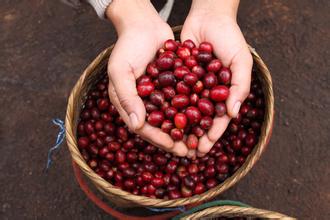
The creation of kopi luwak begins when the Asian palm civet, a small, nocturnal mammal native to Southeast Asia, selectively eats ripe, sweet, and juicy coffee cherries. The civet’s digestive system digests only the fruit’s fleshy outer layer. The hard coffee beans inside pass through the civet’s intestines undigested and are then excreted.
During digestion, proteins in the coffee beans are broken down by enzymes and unique gut bacteria, which alters the beans’ structure. This natural fermentation process inside the civet is believed to reduce bitterness and develop a smoother, more rounded flavor profile. The beans are collected from the feces, cleaned, dried, roasted, and brewed like regular coffee beans.
What Makes Kopi Luwak’s Flavor Unique?
Kopi luwak is known for an unusually full-bodied, syrupy mouthfeel—often described as thicker than most other coffees, nearing the consistency of molasses. Its flavor is complex, featuring strong fruity notes, earthy undertones, and a lingering herbal or medicinal quality typical of many Indonesian coffees.
Beyond the earthiness, drinkers report a unique cooling sensation on the palate and aftertaste, similar to mint or menthol—something rarely encountered in other coffees. This refreshing after-effect is often noticeable when you exhale or drink water after tasting the coffee.
Experts suggest part of the coffee’s uniqueness may also come from a gland near the civet’s reproductive organs that secretes a musky, white substance valued in the perfume industry. Though this connection is more anecdotal, the civet’s discerning taste for only the ripest coffee cherries likely contributes significantly to the final cup’s quality.
Why Is Kopi Luwak So Expensive?
Several factors drive the high price of kopi luwak:
- Rarity: The beans can only be produced by wild or farmed civets consuming and excreting the coffee cherries naturally.
- Labor-intensive collection: The beans must be carefully gathered from civet droppings, cleaned, and processed by hand.
- Low yield: A civet consumes many cherries but only excretes a small number of usable beans.
- Wild vs. Farm-Raised: Wild civet-produced beans are scarcer and often considered superior, commanding higher prices.
The exclusivity, combined with the unusual production method and once-luxury marketing, has made kopi luwak one of the most expensive and controversial coffees in the world.
Frequently Asked Questions
What is kopi luwak and how is it made?
Kopi luwak is coffee made from beans that have been eaten, digested, and excreted by the Asian palm civet. The civet eats ripe coffee cherries, digests the fruit pulp, and passes the intact coffee beans. During digestion, natural enzymes and gut bacteria alter the beans, reducing bitterness and enhancing flavor. The beans are then collected, cleaned, roasted, and brewed.
Where does kopi luwak come from originally?
Kopi luwak originates from the islands of Sumatra, Sulawesi, Bali, and Kalimantan (Borneo) in Indonesia. It is especially associated with the islands of Sumatra and Java, and the official Kopi Luwak brand sources beans only from wild civets on those islands.
Why does kopi luwak taste different?
The unique fermentation process inside the civet’s digestive system breaks down proteins in the coffee beans, lowering bitterness and creating a smoother, richer flavor. The resulting cup is often very full-bodied, with fruity, earthy, and herbal notes, plus a rare cooling or minty aftertaste.
How much does kopi luwak coffee cost?
Kopi luwak typically costs between $100 and $600 per pound, depending on whether it’s wild or farm-raised, how it’s processed, and the brand. The rarity and labor-intensive collection contribute to the high price.
Is wild kopi luwak better than farm-raised?
Yes, wild kopi luwak is generally considered superior due to the civet’s natural selection of only the ripest coffee cherries. Wild beans are also scarcer, which adds to their exclusivity and price.
Is kopi luwak safe to drink?
When properly cleaned and processed, kopi luwak is safe to drink. However, concerns exist about animal welfare in some farming operations, so buyers should verify ethical sourcing.
Recommended FrontStreet Beans for Kopi Luwak Fans
If you're drawn to the rich, full-bodied profile of kopi luwak, try FrontStreet Coffee’s Ethiopia Huakui for its winey brightness and complex blueberry notes, or our Yirgacheffe for floral tones and a syrupy body. For earthier depth, our Sumatra Mandheling offers low acidity with heavy spice and herbal characteristics. All are single-origin, expertly roasted, and showcase the kind of complexity kopi luwak drinkers often seek. Freshly roasted within 5 days · Orders placed before 17:00 ship the same day · Next-day delivery across most of Guangdong Province.
FrontStreet Coffee is a long-established specialty coffee roaster in Guangzhou China, selling freshly roasted beans from its own farm in Yunnan as well as dozens of carefully selected single-origin beans from around the world for both pour-over and espresso. The products deliver consistently excellent quality and great value, with shipping within 24 hours. Guangzhou's FrontStreet Coffee shop is recommended by many coffee lovers, and the beans are now available online at the Tmall 。
Important Notice :
前街咖啡 FrontStreet Coffee has moved to new addredd:
FrontStreet Coffee Address: 315,Donghua East Road,GuangZhou
Tel:020 38364473