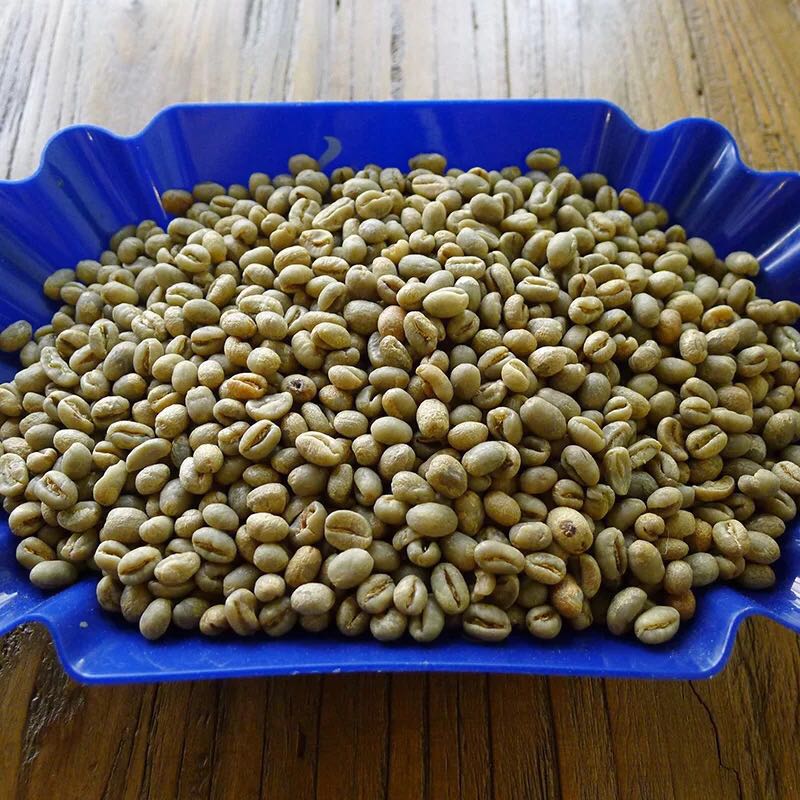
The Origins and Types of Coffee Beans Explained
Ever wondered where your coffee beans really come from—or why some taste bright and fruity while others are deep and earthy? The story of coffee begins not in a café, but in the highlands of Ethiopia, where legend says a goat herder named Kaldi noticed his flock energized after eating red berries. That simple observation set off a chain of events that would see coffee travel across continents, adapt to different environments, and evolve into the diverse range of beans we know today.
To understand coffee varieties and how they’re produced, start with the three major coffee-growing regions: Africa, Indonesia, and the Americas. Each region’s unique climate, altitude, soil, and processing methods shape the flavor profiles you taste in your cup. From Ethiopia’s wild, complex beans to Indonesia’s bold, earthy Mandheling, each origin offers something distinct.
The History and Spread of Coffee Drinking
Coffee drinking likely began in the 11th century in Arabia, initially consumed as a medicinal brew. By the 13th century, Arabs roasted coffee beans and used the drink as a social and religious alternative to alcohol. Coffee spread to Europe in the 16th century via Venice and Marseille, with the first European coffeehouse opening in Venice around 1645. By the late 17th century, coffee had taken hold across the continent, eventually spreading worldwide.
Major Coffee-Growing Regions and Their Characteristics
Coffee-growing regions are generally grouped into three main zones: Africa, Indonesia, and the Americas. Each zone produces beans with broadly similar traits. For blends, roasters often select beans from nearby regions to achieve a desired flavor balance—such as choosing a 'Central' (bright, medium-bodied Central American) or 'African' (fruity, wine-like) profile.
Africa: The Birthplace of Coffee
Africa is known for wild, complex flavors. Key producers include:
- Ethiopia: Considered the birthplace of coffee, with key regions like Yirgacheffe and Harrar. Ethiopian beans often exhibit floral, fruity, and wine-like characteristics.
- Ivory Coast: The world’s largest producer of Robusta, mainly grown in the south.
Asia and Indonesia: Earthy and Bold Profiles
Indonesia is famed for its full-bodied, often earthy beans:
- Sumatra (Mandheling): Large Arabica beans, rich and bold, though inconsistent due to variable processing. Best when medium to dark roasted.
- Java: Small, acidic Arabica beans once considered world-class, now rare due to disease.
- Sulawesi (Toraja, Kalosi): Known for smooth, structured profiles.
- Indonesian Robusta: Makes up 90% of production, valued for blending.
The Americas: Balanced and Versatile Coffees
Coffees from the Americas tend to offer balanced acidity and body:
- Brazil: The world’s largest coffee producer, known for mild, low-acid beans. Key categories include Santos (screen 18–19, medium roast), graded No.1 to No.3 and by sieve size.
- Colombia: Second-largest producer, with high-quality Arabica grown at altitude. Beans are large, greenish, and offer a balanced profile with medium acidity and sweetness.
- Mexico: Coffee grown in southern mountainous regions, classified into Altura, Primera, Extra, and Extra Primera grades.
- Jamaica: Home to Blue Mountain coffee, grown at 1,000m+ altitude. Prized for mild flavor, balance, and limited supply. Exported in numbered grades (No.1–No.3) and peaberry.
- Hawaii (Kona): Grown on volcanic slopes at 400–6000 feet, Kona coffee features bright acidity and sweet, smooth taste. Premium beans are grown between 4,000–6,000 feet with strict climate requirements.
- Cuba: Cuba grows state-managed coffee in the Sierra Maestra mountains, near mineral-rich areas. Cubita, from the 'Cristal Mountain' region, is often compared to Jamaica Blue Mountain, known for a delicate island profile.
Notable Coffee Varieties and Cultivars
While the article does not delve deeply into specific cultivars such as Typica, Bourbon, or Geisha, it references well-known regional beans tied to particular growing traditions—like Jamaica Blue Mountain, Ethiopian Harrar, Sumatra Mandheling, and Brazilian Santos. These beans represent centuries of adaptation to local environments and selective cultivation.
How Coffee Beans Are Processed and Traded
Processing methods (washed, natural, honey) and trading terms (like Screen 18, Screen 19, or Brazilian No.1–No.3 grades) affect bean quality and flavor. Washed beans typically produce cleaner profiles, while natural processing enhances fruitiness. Trading standards help ensure consistency in the global market, especially for blends.
Frequently Asked Questions
Where did coffee originate?
Coffee originated in Ethiopia, specifically the Kaffa region. Legend attributes its discovery to a goat herder named Kaldi, who noticed his goats became energetic after eating coffee cherries. The plant was later cultivated in Arabic regions, where it was first brewed as a drink.
What are the major coffee-growing regions in the world?
The three main coffee-growing regions are Africa, Indonesia, and the Americas. Africa is known for wild, fruity flavors; Indonesia for bold, earthy profiles; and the Americas for balanced, versatile cups. Within these, countries like Ethiopia, Colombia, Brazil, and Jamaica are particularly notable.
Why do coffee beans from different regions taste different?
Flavor differences arise from variations in altitude, soil, climate, coffee variety, and processing methods. For example, high-altitude Ethiopian beans often have floral and fruity notes, while Indonesian beans are typically earthy and full-bodied.
What is the difference between Arabica and Robusta coffee?
Arabica beans are known for their complex flavors, higher acidity, and lower caffeine content. Robusta beans are stronger, harsher, more bitter, and contain roughly twice the caffeine. Robusta makes up about 90% of Indonesia’s production and is often used in blends for body and crema.
What is Blue Mountain coffee?
Blue Mountain coffee is grown in Jamaica’s Blue Mountains at elevations around 2,256 meters. It is known for its mild flavor, balanced acidity, and lack of bitterness. Production is limited, and beans are graded and exported in numbered qualities from No.1 to No.3.
What is special about Cuban coffee?
Cuban coffee, such as Cubita from the Sierra Maestra region, is grown at high altitudes near mineral-rich zones. It is often compared to Jamaica Blue Mountain for its smooth, delicate island profile and is considered a premium Caribbean coffee.
Recommended FrontStreet Coffee Beans for Origin Exploration
For exploring classic coffee origins, try FrontStreet Coffee’s Ethiopia Yirgacheffe for bright floral and citrus notes, Colombia Huila for balanced caramel and nuttiness, and Brazil Santos for low-acid, chocolatey smoothness. These beans represent three major coffee-growing regions and showcase the diversity of single-origin flavors. Freshly roasted within 5 days · Orders placed before 17:00 ship the same day · Next-day delivery across most of Guangdong Province.
FrontStreet Coffee is a long-established specialty coffee roaster in Guangzhou China, selling freshly roasted beans from its own farm in Yunnan as well as dozens of carefully selected single-origin beans from around the world for both pour-over and espresso. The products deliver consistently excellent quality and great value, with shipping within 24 hours. Guangzhou's FrontStreet Coffee shop is recommended by many coffee lovers, and the beans are now available online at the Tmall 。
Important Notice :
前街咖啡 FrontStreet Coffee has moved to new addredd:
FrontStreet Coffee Address: 315,Donghua East Road,GuangZhou
Tel:020 38364473