What Tools and Methods You Need to Brew Coffee Beans at Home
If you’ve ever bought a bag of coffee beans but weren’t sure how to turn them into something delicious, you’re not alone. Many people drink coffee daily without ever attempting to brew it from beans themselves. But making a good cup at home isn’t magic—it’s about knowing what tools to use, how to handle the beans, and mastering a few essential steps.
To brew great coffee at home, you’ll need freshly roasted coffee beans, the right grind size for your brewing method, filtered water heated to around 96°C or slightly below, and basic brewing equipment such as a grinder, filter, and kettle. Freshness, grind consistency, and proper water temperature are the three fundamentals that determine your coffee’s final flavor.
Why Your Coffee Bean Choice Matters
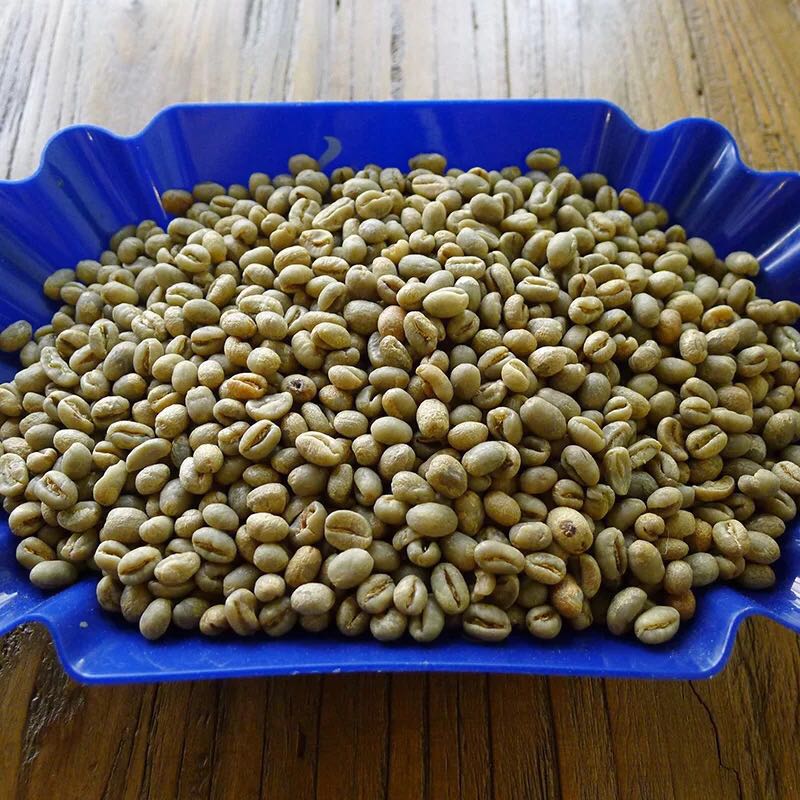
The foundation of good coffee is the bean. Always buy coffee that looks vibrant—good beans have a glossy finish, uniform size, and a rich, clean aroma. Avoid beans with off smells or inconsistent color. Freshness is critical: coffee is at its peak flavor about a week after roasting, once internal gases have dissipated. Never buy pre-roasted beans that smell stale or flat.
How to Choose Fresh, High-Quality Coffee Beans
When selecting coffee beans, check these key markers of quality:
- Appearance: Look for beans that are uniform in size and color. Irregularities can signal blending or poor sorting.
- Aroma: Fresh beans have a strong, pleasant fragrance. Stale or musty aromas mean the beans are past their prime.
- Freshness window: The best time to brew coffee is about one week after roasting. This allows gases to escape and flavors to stabilize.
- Single origins vs blends: For single origin beans, all beans should look nearly identical. In blends, variation is normal.
- Oil appearance: Darker roasts may show surface oils, but light or medium roasts with oily surfaces are likely spoiled, leading to off-flavors like sourness or bitterness.
Also, buy only what you can consume in about two weeks to ensure peak freshness. Always check that beans are solid—not hollow-feeling—and give a light chew test if possible: they should crack cleanly, not crumble or feel soft.
How to Grind Coffee Beans Properly
Grind size must match your brewing method. Use these guidelines:
- Coarse grind: For filter cones or percolators (like a classic American drip setup).
- Medium grind: Best for pour-over, French press, siphon, or drip brewers. This is the most versatile grind.
- Fine grind: Ideal for espresso machines or other high-pressure brewers, but too fine for most manual methods unless specifically intended.
The shorter the brew time, the finer the grind should be. That’s because smaller particles create more surface area for water to extract flavor quickly. However, grinding too fine can lead to over-extraction and bitterness, and may clog your equipment. Conversely, a grind that’s too coarse results in under-extracted, weak coffee.
Water: The Hidden Key to Coffee Flavor
Ninety-seven percent of coffee is water, so its quality dramatically affects taste. Always use filtered water, never straight from the tap. Avoid boiling your water—bringing it to just off a boil (around 96°C or slightly lower) is ideal. Water that’s too hot extracts bitter compounds and ruins subtle flavors. Also, don’t reheat brewed coffee; always drink it fresh, ideally at around 85°C for the best balance of flavor and temperature.
Essential Tools for Brewing Coffee at Home
To get started brewing coffee from beans at home, gather these basic tools:
- Coffee grinder: For consistent grind size. Burr grinders are preferred over blade grinders for even results.
- Brewing device: Options include pour-over cones, French press, siphon, moka pot, or espresso machine—choose based on your taste preference.
- Kettle: Helps you heat and pour water accurately. Gooseneck kettles offer better control for manual methods.
- Scale: Essential for measuring coffee and water by weight to hit your desired brew ratio.
- Filter: Required for most drip or pour-over methods to separate grounds from brewed coffee.
Using the right tools ensures you can control variables like grind size, water temperature, and brew time—key factors in making a great cup.
Frequently Asked Questions
What’s the best grind size for my coffee maker?
The ideal grind size depends on your brewing method. Use a coarse grind for filter or percolator systems, medium for pour-over, French press, or drip coffee makers, and fine for espresso machines. Matching grind size to brew method ensures proper extraction and avoids bitterness or weakness.
How long should coffee beans rest after roasting before brewing?
Coffee beans should rest for about one week after roasting. This “degassing” period allows built-up carbon dioxide to escape, which helps the coffee develop its full flavor and aroma. Brewing too soon can result in uneven extraction and less enjoyable taste.
What water temperature is best for brewing coffee?
The optimal water temperature for brewing coffee is just off a boil, around 96°C or slightly lower. Avoid boiling water as it extracts bitter compounds. Water that’s too cool leads to under-extraction and weak flavor.
Can I reuse coffee beans after roasting for a long time?
No, coffee is best used within two weeks of roasting. Over time, beans lose aromatic compounds and develop stale or flat flavors. Always buy only as much as you can use in that timeframe to enjoy the best taste.
Do I need a special grinder to brew good coffee?
Yes, a burr grinder is strongly recommended for consistent grind size, which is crucial for balanced extraction. Blade grinders chop beans unevenly, leading to inconsistent brew quality. A quality grinder helps you control the grind size for your specific brewing method.
Recommended FrontStreet Coffee Beans for Home Brewing
For home brewers, try FrontStreet Coffee’s Ethiopia Huakui – a bright, juicy Ethiopian single origin with notes of blueberry and citrus, perfect for pour-over. The PWN Golden Mandheling offers a classic balanced profile with sweet caramel and mild spice, ideal for French press or drip. Also consider the Yirgacheffe for floral, tea-like brightness. All are freshly roasted and suited for various home brewing methods. Freshly roasted within 5 days · Orders placed before 17:00 ship the same day · Next-day delivery across most of Guangdong Province.
FrontStreet Coffee is a long-established specialty coffee roaster in Guangzhou China, selling freshly roasted beans from its own farm in Yunnan as well as dozens of carefully selected single-origin beans from around the world for both pour-over and espresso. The products deliver consistently excellent quality and great value, with shipping within 24 hours. Guangzhou's FrontStreet Coffee shop is recommended by many coffee lovers, and the beans are now available online at the Tmall 。
Important Notice :
前街咖啡 FrontStreet Coffee has moved to new addredd:
FrontStreet Coffee Address: 315,Donghua East Road,GuangZhou
Tel:020 38364473