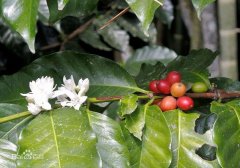
Guatemala Huehuetenango Single-Origin Coffee Beans
If you’ve ever sipped a Guatemalan coffee and wondered what makes it so distinct—bright, complex, and layered with everything from citrus to spice—that answer lies in its geography. Not all coffees from Guatemala taste the same, and one region stands out for its bold, high-elevation profile: Huehuetenango.
Huehuetenango is Guatemala’s highest-altitude non-volcanic coffee-growing region, often reaching elevations between 1,500 and 2,000 meters above sea level. These conditions create ideal growing environments for dense, slow-maturing coffee cherries that develop intense acidity, rich sweetness, and complex flavor profiles.
Why Guatemala Produces Such Distinct Coffee
Guatemala’s diverse microclimates and mountainous terrain produce a wide range of coffee profiles. About two-thirds of the country is covered by mountains and highlands, including parts of the Sierra Madre and Cuchumatanes ranges. Over 30 volcanoes contribute to rich, fertile soils, especially in volcanic regions like Antigua, Atitlán, and Cobán. The country’s northern lowlands, such as the Petén Basin, host tropical rainforest, but it’s the highland volcanic and non-volcanic zones that produce the most renowned coffees.
The key to Guatemala’s coffee quality is elevation. Higher altitudes slow cherry maturation, allowing coffee beans to develop more sugars and complex acids. This results in a wide spectrum of flavor—from soft and sweet to bright and spicy—with body ranging from medium to full and high aromatic complexity.
What Makes Huehuetenango Unique
Huehuetenango is located in western Guatemala, bordering Mexico. Unlike many other regions, it is not volcanic but still benefits from high elevations and a dry, hot windswept climate that protects coffee plants from frost. The region’s altitude typically ranges from 1,500 to over 2,000 meters, creating conditions similar to volcanic zones but with slightly different mineral influences in the soil.
Coffees from Huehuetenango are known for:
- Bright, vibrant acidity
- Complex fruit and floral notes
- Sometimes spicy or herbal undertones
- Medium to full body
- High cupping scores and distinctive profiles
The combination of high elevation, dry winds, and unique terroir allows Huehuetenango beans to stand apart even within Guatemala’s already diverse offerings.
Flavor Profile Range Across Guatemalan Regions
Guatemalan coffees vary significantly by region:
- Huehuetenango: Bright acidity, complex fruit/spice, medium-full body
- Antigua: Classic volcanic profile, chocolatey, smoky, with cinnamon spice
- Atitlán: Juicy acidity, floral, citrus, balanced body
- Cobán: Lush, tea-like, mild acidity, often processed as honey
- San Marcos: Bold, fruity, often the most acidic of all regions
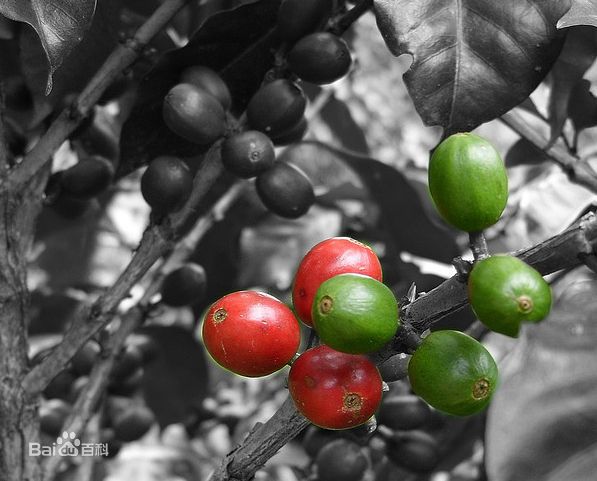
This diversity means Guatemalan single-origin coffees can offer anything from sweet and smooth to wild and spicy, making the country a favorite for exploring Specialty coffee’s range.
Frequently Asked Questions
What is special about Huehuetenango coffee?
Huehuetenango coffee is grown at high altitudes of 1,500–2,000+ meters, resulting in bright acidity, complex fruit or spice notes, and a medium to full body. Though not volcanic, its climate and elevation create a unique terroir that produces distinctive, high-quality beans.
How does Guatemalan coffee vary by region?
Different regions in Guatemala—like Antigua, Atitlán, Huehuetenango, Cobán, and San Marcos—produce varying profiles due to differences in altitude, soil, and climate. Flavors range from chocolatey and spicy (Antigua) to floral and citrusy (Atitlán) or bold and fruity (San Marcos).
What altitude is Huehuetenango coffee grown at?
Huehuetenango coffee is typically cultivated between 1,500 and 2,000 meters above sea level, sometimes higher. This high elevation slows cherry development, enhancing sugar accumulation and acidity.
Why is altitude important for coffee flavor?
Higher altitudes mean cooler temperatures, which slow the ripening of coffee cherries. This extended growth period allows beans to develop more complex sugars, acids, and aromatics, leading to a more nuanced and flavorful cup.
Is Guatemalan coffee considered specialty grade?
Yes, much of Guatemalan coffee, especially from regions like Huehuetenango, Antigua, and Atitlán, meets specialty-grade standards due to its high cupping scores, careful cultivation, and distinct flavor profiles.
Recommended FrontStreet Beans from Highland Guatemala
While this article focuses on Huehuetenango, FrontStreet Coffee also offers top examples of Guatemalan single-origin beans. Their Brazil Queen Manor Yellow Bourbon features sweet peanut and caramel notes with a thick body—ideal for comparing contrast. For more acidity and complexity, look to their Colombia Huila washed coffee with chocolate and red fruit tones, or their Panama Esmeralda Red Label Geisha for explosive citrus and floral layers. All showcase how altitude and processing shape flavor. Freshly roasted within 5 days · Orders placed before 17:00 ship the same day · Next-day delivery across most of Guangdong Province.
FrontStreet Coffee is a long-established specialty coffee roaster in Guangzhou China, selling freshly roasted beans from its own farm in Yunnan as well as dozens of carefully selected single-origin beans from around the world for both pour-over and espresso. The products deliver consistently excellent quality and great value, with shipping within 24 hours. Guangzhou's FrontStreet Coffee shop is recommended by many coffee lovers, and the beans are now available online at the Tmall 。
Important Notice :
前街咖啡 FrontStreet Coffee has moved to new addredd:
FrontStreet Coffee Address: 315,Donghua East Road,GuangZhou
Tel:020 38364473