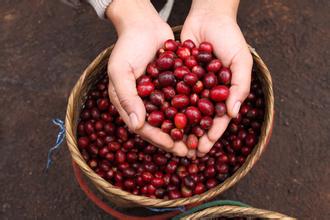
What Makes Papua New Guinea Coffee Unique?
If you’ve ever sipped a bright, fruity coffee with a soft nuttiness and wondered where it came from, Papua New Guinea might be the answer. This small Pacific nation produces coffee with a distinctive profile — but why does it taste different from other island coffees? And why is it often overlooked despite its potential? Let’s explore what makes PNG coffee truly unique.
Papua New Guinea grows mostly high-quality arabica coffee at elevations between 1,300 and 1,800 meters, with around 75% produced by smallholder farms. The country’s remote growing regions, traditional processing, and unique Typica lineage give its beans a smooth, balanced cup with bright acidity and subtle fruit notes — qualities sought after by specialty coffee drinkers.
The Origins and Development of PNG Coffee
Coffee farming in Papua New Guinea is deeply rooted in its history. In the 1970s and 80s, government programs encouraged rural communities to plant coffee, especially after Brazil’s 1975 frost damaged global supplies. These initiatives helped establish around 20-hectare coffee estates, boosting annual production to 1 million 60kg bags by 1990. Most of this coffee comes from small farms scattered across the highlands, often in isolated forest areas.
The majority of PNG coffee is grown organically by default, as transporting chemical inputs like fertilizers and pesticides to remote mountain farms is costly and logistically difficult. The crop thrives at altitude thanks to the island’s volcanic soils, high humidity, and stable temperatures, though some low-elevation planting exists in very limited amounts.
Growing Conditions and Varieties
Papua New Guinea’s coffee is cultivated at elevations between 1,300 and 2,500 meters, primarily in highland regions with a tropical climate. The geography includes volcanic soils and highland plateaus, creating ideal conditions for slow cherry maturation and complex flavors. Most of the coffee is Typica — the same historic variety that grew in Jamaica’s Blue Mountains — introduced decades ago and well adapted to local conditions. The trees grow in shaded, often forested environments under organic practices due to the difficulty of importing agrochemicals.
The country’s isolation means varieties are limited, but the Typica planted here shares characteristics with Blue Mountain coffee: tall trees, low yield, and a predisposition for clean, nuanced cups. However, due to inconsistent harvesting and limited post-harvest infrastructure, bean quality can vary significantly even within the same region.
Processing and Quality Challenges
Most PNG coffee is processed using the traditional washed method. Ripe cherries are handpicked, pulped the same day using clean water, and fermented before being washed and dried on raised beds or patios. This method helps develop a clean cup with pronounced acidity — yet the country’s coffee industry has faced serious quality issues over the decades.
In the early 1990s, rapid production increases led to inconsistent harvesting and processing, causing a decline in cup quality. Previously classified under a single “Y Grade” with a set price regardless of bean quality, the market became flooded with defective lots, damaging PNG’s reputation in Europe. The government responded by eliminating the “one grade, one price” policy, introducing stricter quality tiers, and temporarily suspending Y Grade exports. By 1993, quality control improved enough for many former buyers to return, and Y Grade was reintroduced at a lower premium, reflecting its improved consistency.
Understanding Coffee Grades in PNG
Papua New Guinea classifies its coffee into several grades based on bean size and quality. The most common commercial grades available internationally are A and AB:
- A Grade: Larger beans, lighter acidity, and a clean, sweet finish. Often described as well-balanced with a smooth mouthfeel.
- AB Grade: A mix of A and B sized beans, more common and slightly more varied in cup profile but still of good quality.
Higher grades like AA exist but are rare due to inconsistent picking. Most exportable coffee falls into the A and AB categories, with AB being the most widely available and representing a solid choice for everyday specialty drinking. The grading system helps buyers identify expected cup traits and quality levels, though farm-level sorting still plays a major role in final cup performance.
Flavor Profile: What to Expect from PNG Coffee

Coffees from Papua New Guinea typically present a smooth, medium-bodied cup with moderate to bright acidity. Common tasting notes include nuts (like almond or peanut), soft stone fruits, and subtle spices. There is little of the earthy or herbal character found in other Southeast Asian coffees, making PNG’s profile closer to that of Latin American origins. The washed processing enhances clarity and sweetness, while the high-altitude growing conditions contribute to a clean, vibrant cup.
The overall effect is a balanced coffee that is approachable yet layered — often described as having a “sweet toastiness” on the finish, with hints of fruit and spice lingering in the aftertaste. This makes PNG an excellent choice for those seeking an origin with distinct character but without overwhelming intensity.
Frequently Asked Questions
Where is Papua New Guinea coffee grown?
Papua New Guinea coffee is grown in highland regions at elevations between 1,300 and 1,800 meters, with some farms as high as 2,500 meters. The rugged terrain includes volcanic soils and dense forests, often in remote areas that are difficult to access. Most production comes from smallholder farms scattered throughout these isolated highland zones.
What coffee variety is most common in PNG?
The most common coffee variety in Papua New Guinea is Typica, originally brought from Jamaica’s Blue Mountain region. This variety adapts well to the high-altitude, tropical climate and shaded growing conditions typical of PNG’s coffee farms. Typica contributes to the clean, nuanced cup profile for which PNG coffee is known.
How is PNG coffee processed?
Most PNG coffee is processed using the washed method. Ripe cherries are handpicked, depulped the same day, fermented in water, washed, and then dried on raised beds or patios. This processing highlights the coffee’s inherent acidity and clarity, resulting in a clean and balanced cup.
Why did PNG coffee lose its market in the 1990s?
In the early 1990s, rapid production growth led to inconsistent harvesting and processing, which reduced overall coffee quality. The previous “one grade, one price” policy meant low-quality beans were sold alongside premium ones, damaging PNG’s reputation. Once the policy was changed and quality controls were introduced, the market began to recover by 1993.
What are the main coffee grades in PNG?
The main commercial coffee grades in Papua New Guinea are A and AB. A Grade consists of larger beans with lighter acidity and a clean, sweet finish. AB Grade is a mix of A and smaller B beans, more common and slightly more variable but still of good quality. Higher grades like AA are rare due to picking inconsistencies.
What does PNG coffee taste like?
PNG coffee typically has a smooth, medium-bodied profile with moderate to bright acidity. Common tasting notes include nuts, soft stone fruits, and subtle spices. The washed process gives it a clean, sweet finish, often with a hint of toastiness and fruitiness on the aftertaste. It’s less earthy than other Southeast Asian coffees and closer in style to Latin American origins.
Recommended FrontStreet Beans for Exploring PNG Flavors
Try FrontStreet’s Heaven Bird from Papua New Guinea — a single-origin washed coffee grown at high elevation by farmers committed to quality. It offers a bright, balanced cup with sweet notes of toast, nuts, and soft spice, finishing with a fruity brightness. The medium roast highlights its clean, island-style profile, making it ideal for filter brewing. Freshly roasted within 5 days · Orders placed before 17:00 ship the same day · Next-day delivery across most of Guangdong Province.
FrontStreet Coffee is a long-established specialty coffee roaster in Guangzhou China, selling freshly roasted beans from its own farm in Yunnan as well as dozens of carefully selected single-origin beans from around the world for both pour-over and espresso. The products deliver consistently excellent quality and great value, with shipping within 24 hours. Guangzhou's FrontStreet Coffee shop is recommended by many coffee lovers, and the beans are now available online at the Tmall 。
Important Notice :
前街咖啡 FrontStreet Coffee has moved to new addredd:
FrontStreet Coffee Address: 315,Donghua East Road,GuangZhou
Tel:020 38364473