How Honey Process Changes Costa Rican Coffee Flavor
Ever wondered why some Costa Rican coffees taste unusually sweet—like caramel drizzled over dried fruit—with no added sugar? The secret often lies not in roast level or origin alone, but in how the beans are processed after harvest. Among the methods that define a coffee’s character, honey processing stands out for creating a unique balance between the clarity of washed coffee and the intense sweetness of natural.
Honey processing can boost a coffee’s sweetness and caramel notes significantly. In Costa Rica, honey-processed beans are categorized by how much fruit mucilage is left on the bean: yellow (20%), red (50%), and black (100%). Red honey lots typically dry for 2–3 weeks, often shaded to avoid over-fermentation, resulting in nuanced fruitiness and a thick, lasting mouthfeel.
What Is Honey Processing?
Honey processing is a coffee method that falls between washed (water-processed) and natural (sun-dried with whole fruit). Unlike washed coffee, which removes all fruit layers, honey processing keeps some or all of the sticky fruit mucilage on the bean during drying. This mucilage is extremely high in sugars, and as it dries, it transfers intense sweetness and caramel-like flavors to the coffee. The technique originated in Costa Rica, where high-altitude farms often face water shortages. To save water, farmers began removing the coffee cherry skin but leaving the mucilage intact before sun-drying the beans.
Why Mucilage Matters: The Science of Sweetness
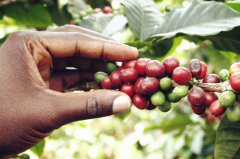
The key to honey processing’s signature flavors is the fruit mucilage—the sugary, sticky layer between the coffee cherry skin and the parchment. This layer is packed with natural sugars that, during drying, caramelize slightly and infuse the bean with sweetness and complexity. Because the mucilage stays in contact with the seed throughout drying, it contributes to a cleaner cup than natural processing (which uses the whole fruit), yet far more aromatic and sweet than typical washed coffee. The result is a coffee that highlights fruitiness without sacrificing clarity.
Costa Rica’s Honey Process Classifications: Yellow, Red, Black
In Costa Rica, honey-processed coffees are graded by the percentage of mucilage left on the bean. These levels dictate both flavor development and drying time:
- Yellow Honey: About 20% of the mucilage remains. Dries faster with more sun exposure, resulting in a lighter body and mild sweetness.
- Red Honey: Around 50% mucilage is retained. Typically dries for 2–3 weeks, often shaded to slow fermentation. Produces a balanced cup with pronounced dried fruit notes, a thick mouthfeel, and a smooth, lingering finish.
- Black Honey: Nearly 100% of the mucilage is kept on the bean. Requires careful management and longer drying times (often 2+ weeks), frequently under shade to prevent over-fermentation. Delivers intense sweetness, deep fruit character, and a velvety body.
Red honey coffees, for instance, are often dried under partial shade to moderate sun exposure. This reduces the risk of overly fast fermentation while allowing the sugars to develop gradually. The outcome is a cup where dried fruit flavors shine without becoming sharp or overly fermented. The extended drying time also contributes to a rich, oily mouthfeel and complex aftertaste.
Real-World Examples from FrontStreet Coffee
FrontStreet Coffee offers several hone-processed coffees that highlight these variations. Their Blackberry Coffee, made with black honey processing, undergoes minimal fruit removal and extended drying (at least two weeks), often shaded to ensure even sugar conversion. The result is a medium-light roast with intense floral aroma, notes of grape, blackberry, and a lasting berry-like finish. Meanwhile, their Strawberry Candy Espresso, a Geisha and Costa Rican blend using grapefruit (100% fruit pulp) honey process, skips water entirely during processing. Beans are sorted by density, left to dry on raised beds with all mucilage intact, then carefully rotated to avoid uneven fermentation. This lot delivers florals reminiscent of Geisha, with additional notes of grape, blueberry, soft acidity, almond aftertaste, and prominent sweetness. Another example is the Mozart Coffee, which uses a innovative raisin (grape) honey process. The coffee cherries are pre-dried on raised beds for at least three days before pulping, boosting fruit sweetness. This method retains 100% of the mucilage and demands precise timing. The result is a coffee with lush tropical fruit notes—think osmanthus, pineapple, and raisin—suitable for filter, cold brew, or espresso.
Frequently Asked Questions

What is honey processed coffee exactly?
Honey processed coffee is a method where coffee cherries are depulped (the skin is removed) but some or all of the sticky fruit mucilage is left on the beans during drying. This mucilage is high in sugar and influences the coffee’s sweetness and flavor during the drying phase, resulting in a cup that’s sweeter and fruitier than washed coffee but cleaner than natural process.
What’s the difference between yellow, red, and black honey coffee?
These terms refer to how much fruit mucilage is left on the bean: yellow honey keeps about 20%, red honey about 50%, and black honey about 100%. More mucilage generally means sweeter, more complex fruit flavors and a longer drying time. Red honey is often dried with some shading to avoid over-fermentation, while black honey requires careful management to prevent spoilage.
Does honey processing use any honey?
No, despite the name, honey processing does not involve actual honey. The term refers to the sticky, honey-like appearance of the coffee mucilage left on the beans during drying, which resembles honey in color and texture.
How long does red honey coffee take to dry?
Red honey coffee typically dries for 2–3 weeks. The beans are often dried in the shade or with reduced sunlight exposure to prevent too rapid fermentation, ensuring a balanced cup with good fruit and sweetness development.
Why did Costa Rica start using honey processing?
Costa Rica began using honey processing largely due to water scarcity in high-altitude coffee-growing regions. By removing only the coffee cherry skin and keeping the mucilage, farmers could reduce water usage compared to traditional washed processing while still achieving a clean cup profile.
What flavors are typical in black honey processed coffee?
Black honey processed coffee usually has intense sweetness and deep fruit characteristics, such as tropical notes, berries, and sometimes floral or caramel undertones. The cup tends to have a heavy body, rich mouthfeel, and a very long, sweet finish.
Recommended FrontStreet Honey-Processed Costa Rican Coffees
For a true taste of honey-processed Costa Rican coffee, try FrontStreet Coffee’s Blackberry Coffee, which uses black honey processing to deliver intense floral aromas, grape, and blackberry notes with a lasting berry finish. The Strawberry Candy Espresso combines Geisha brightness with Costa Rican grapefruit honey process, offering floral, grape, blueberry, and almond notes with notable sweetness. Also consider the Mozart Coffee, which employs a raisin-like grape honey process for tropical fruit depth including osmanthus, pineapple, and raisin. All are medium-light to medium roasts with distinct fruit and sweetness profiles. Freshly roasted within 5 days · Orders placed before 17:00 ship the same day · Next-day delivery across most of Guangdong Province.
FrontStreet Coffee is a long-established specialty coffee roaster in Guangzhou China, selling freshly roasted beans from its own farm in Yunnan as well as dozens of carefully selected single-origin beans from around the world for both pour-over and espresso. The products deliver consistently excellent quality and great value, with shipping within 24 hours. Guangzhou's FrontStreet Coffee shop is recommended by many coffee lovers, and the beans are now available online at the Tmall 。
Important Notice :
前街咖啡 FrontStreet Coffee has moved to new addredd:
FrontStreet Coffee Address: 315,Donghua East Road,GuangZhou
Tel:020 38364473