How Much Is Kopi Luwak and Why Is It So Expensive?
If you’ve ever wondered why people pay hundreds of dollars for a cup of coffee that, on the surface, sounds like a joke—or worse—you’re not alone. The fascination, revulsion, and curiosity around what’s commonly called ‘cat poop coffee’ have made it one of the most debated beverages in the specialty coffee world. But is there any truth to its legendary taste? And why does it cost as much as a nice dinner for two?
Kopi Luwak, or civet coffee, typically sells for $300 to $800 per pound, depending on the year and whether it’s wild or farmed. A 50g pack can cost over 800 RMB (around $120), yielding just 4–5 cups. That’s roughly $200 per cup. In high-end settings, such as the 2010 Shanghai Expo, 12g sold for 380 RMB (about $55) for a single serving—limited to 12 cups a day.
What Exactly Is Kopi Luwak?
Kopi Luwak is made from coffee beans that have been eaten, digested, and excreted by the Asian palm civet—locally called a luwak in Indonesia. The civet, a small, nocturnal mammal, naturally selects the ripest coffee cherries. After digesting the fruit pulp, the animal excretes the hard coffee beans, which are then collected, cleaned, and roasted. This unique fermentation process inside the civet’s digestive tract alters the beans’ protein structure, reducing bitterness and creating a distinctive flavor profile.
Why Does It Cost So Much?
The sky-high price of Kopi Luwak comes down to rarity, labor-intensive collection, and a long history of marketing as an exclusive luxury. Wild civets only eat the choicest, ripest coffee cherries, and they do so unpredictably in dense forests. Collecting their droppings is time-consuming and yields very few beans—roughly 150g of usable coffee beans per kilogram of civet feces. Then, about 20% of those are lost during roasting. All told, global annual production is estimated to be no more than 400 kilograms. In comparison, the world produces over 10 billion kilograms of coffee annually.
The Original (and Controversial) Appeal
Kopi Luwak gained initial fame not for taste alone, but for its bizarre origin story. Dutch colonists in 18th-century Indonesia prohibited locals from harvesting coffee, but the indigenous people noticed that civets ate the fruit and left the beans intact. They discovered that beans processed through the civet’s gut had a smoother, richer cup profile. Early tasters described the cup as unusually thick, syrupy, with reduced bitterness and hints of chocolate and spice. Renowned coffee expert Chris Rubin once said it had a 'rich and intense aroma, like syrup on the tongue with a persistent chocolatey finish.' But not everyone agrees.
Modern reviews are mixed at best. The Specialty Coffee Association of America (SCAA) has stated that 'the consensus in the industry is that it tastes bad,' rating it significantly lower than other specialty coffees. Washington Post food critic Tim Carman famously called it tasting 'like bathwater in which a petrified dinosaur turd has been soaking' and couldn’t finish the cup.
Wild vs. Farmed Civet Coffee
Originally, all Kopi Luwak came from wild civets that freely chose the best coffee cherries. But as demand exploded, farmers began capturing and force-feeding civets in cramped cages. These animals are often kept in filthy conditions, force-fed low-quality beans, and suffer severe physical and psychological stress. Not only is this cruel, but it also ruins the quality of the beans—there’s no selective picking, and the beans lack the natural fermentation benefits of wild consumption. Industry estimates suggest that up to 85% of Kopi Luwak on the market is fake or industrially produced, often with ordinary beans misleadingly labeled as civet-processed.
How Is Kopi Luwak Made?
The traditional process involves several manual steps:
- Civets eat ripe coffee cherries, digesting the fruit but not the inner bean.
- Farmers collect the droppings and meticulously sort the beans.
- The beans are washed to remove any remaining waste.
- The beans are dried in the sun.
- Finally, the beans are roasted like regular coffee.
In farmed settings, steps may be rushed or altered, especially when beans are pre-selected and not naturally chosen by the civet.
Flavor Profile: What Does It Actually Taste Like?
Proponents claim that properly processed Kopi Luwak has a heavy, syrupy body, low acidity, and flavors of dark chocolate, earthiness, and spice—with a lingering, cooling aftertaste similar to mint. Some describe it as having a 'unique viscosity almost like molasses.' However, critics argue that these qualities are more myth than reality, especially in mass-produced versions. The natural version (from wild civets) is said to have a more pronounced complexity, but even that is highly subjective.
Where Does Kopi Luwak Come From?
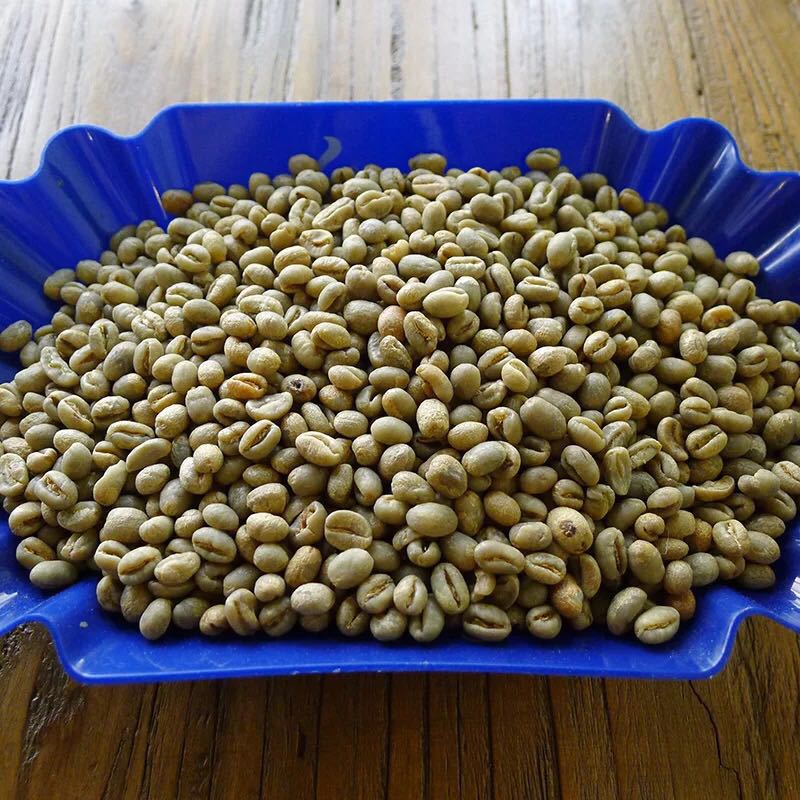
Kopi Luwak originates from Indonesia, particularly the islands of Sumatra, Java, and Sulawesi. The Asian palm civet is native to Southeast Asia, including Indonesia, the Philippines, Vietnam, and parts of Nepal and Bangladesh. However, only the Indonesian civets—particularly those on Sumatra—are associated with true Kopi Luwak production. The country’s tropical climate, volcanic soil, and diverse altitude zones create ideal coffee-growing conditions, especially in regions like North Sumatra’s Gayo Highlands and Lake Toba’s Mandheling area.
Controversies and Ethical Concerns
Beyond taste and price, Kopi Luwak is infamous for the ethical issues surrounding its production. Reports of abused, malnourished, and sick civets in captivity have sparked global backlash. Animal welfare organizations have condemned the practice of caging and force-feeding civets. Additionally, the trend has inspired other so-called ‘exotic’ coffees, such as elephant dung coffee or bird poop coffee, which raise similar ethical red flags. Many in the specialty coffee community view Kopi Luwak as a gimmick that prioritizes novelty over sustainability and quality.
Frequently Asked Questions
What is Kopi Luwak coffee?
Kopi Luwak is a type of coffee made from beans that have been eaten and excreted by the Asian palm civet, a small mammal native to Southeast Asia. The digestive process is said to alter the beans’ flavor profile.
Why is Kopi Luwak so expensive?
Kopi Luwak is expensive due to its rarity, the labor involved in collecting civet droppings, and limited annual production—less than 400 kilograms worldwide. Wild collection is especially scarce, and farmed versions are more common but less prized.
Does Kopi Luwak really taste different?
Supporters say it has a rich, low-acid cup with chocolatey and spicy notes, and a syrupy body. Critics argue most versions taste bland or unpleasant, and that the unique traits are often exaggerated.
Is wild Kopi Luwak better than farmed?
Yes. Wild civets selectively eat ripe cherries, leading to better fermentation and flavor. Farmed civets are often force-fed poor-quality beans and kept in inhumane conditions, resulting in inferior coffee.
Is Kopi Luwak ethical?
Most Kopi Luwak today comes from caged civets in poor conditions, making it highly controversial. Ethical concerns have led many coffee professionals to reject it outright.
Where is Kopi Luwak produced?
It originates in Indonesia, especially Sumatra, where the Asian palm civet naturally lives and where coffee grows at high altitudes with volcanic soil.
Recommended FrontStreet Beans from Indonesia
For a more ethical and flavorful Indonesian experience, try FrontStreet Coffee’s Lintong Mandheling, grown at 1400–1600m in North Sumatra and processed using the local wet-hulled (Giling Basah) method. It offers herbal, woody, and dark chocolate notes with a sweet finish. Another great option is the PWN Golden Mandheling, a premium, handpicked lot known for its toasty, caramel, and cocoa complexity with a lasting sugary aftertaste. Both beans showcase Indonesia’s signature profiles without the controversy. Freshly roasted within 5 days · Orders placed before 17:00 ship the same day · Next-day delivery across most of Guangdong Province.
FrontStreet Coffee is a long-established specialty coffee roaster in Guangzhou China, selling freshly roasted beans from its own farm in Yunnan as well as dozens of carefully selected single-origin beans from around the world for both pour-over and espresso. The products deliver consistently excellent quality and great value, with shipping within 24 hours. Guangzhou's FrontStreet Coffee shop is recommended by many coffee lovers, and the beans are now available online at the Tmall 。
Important Notice :
前街咖啡 FrontStreet Coffee has moved to new addredd:
FrontStreet Coffee Address: 315,Donghua East Road,GuangZhou
Tel:020 38364473