What Makes Guatemalan Coffee Beans Unique
When you buy a bag labeled 'Guatemalan coffee', you're expecting something bold, balanced, and distinctly complex—but not every bag delivers. Why does Guatemalan coffee have such a storied reputation, and why does quality vary so much? Understanding the origins, growing regions, and production realities behind Guatemalan beans helps explain both its former prestige and its modern challenges.
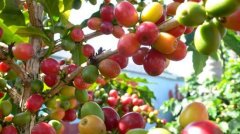
Guatemalan coffee is known for its full-bodied, spicy-sweet profile with bright acidity. The country’s best beans—especially Strictly Hard Bean (SHB) grade—come from high-altitude volcanic regions like Antigua and Huehuetenango, where elevation, volcanic soil, and ideal climate produce dense, flavorful coffee cherries.
The Origins and History of Guatemalan Coffee
Coffee was introduced to Guatemala in 1750 by Jesuit missionaries. By the late 19th century, German settlers had developed a structured coffee industry. Today, southern Guatemala remains the heart of production, particularly along the slopes of the Sierra Madre volcanoes. These regions provide the high altitudes and fertile soils ideal for cultivating high-quality arabica beans.
In its prime, Guatemalan coffee enjoyed global acclaim for exceptional cup quality. Though quality dipped at times due to political instability and economic pressures, it is now regaining recognition. The country’s coffee sector remains vital to the national economy, although production averages just 700 kg per hectare—lower than El Salvador (900 kg) and Costa Rica (1,700 kg).
Key Growing Regions and Flavor Profiles
Several regions define Guatemala’s coffee identity:
- Antigua: Home to estates like Hacienda Carmona, Antigua produces some of the country’s most iconic coffees. The renowned El Pulcal lot features deep, tobacco-forward flavors with rich body and bold complexity. The region benefits from periodic volcanic ash deposits that replenish soil nutrients, along with consistent rainfall and sunshine.
- Huehuetenango: One of Guatemala’s highest and driest coffee-growing areas, Huehue produces vibrant, fruity, and often wine-like cups thanks to its unique microclimates and elevation.
- Lake Atitlán and San Marcos: Other notable regions contributing to the diversity of Guatemalan flavor profiles.
The country also produces large coffee beans—so-called 'giant beans'—which add to its market distinction. Among arabica varieties, traditional Bourbon trees are especially prized over newer dwarf hybrids for their superior cup quality, despite lower yields.
Production Challenges and Quality Initiatives
Guatemala faces structural hurdles in maintaining its coffee quality. Political issues and economic pressures have historically marginalized smallholder producers, many of whom are descendants of the Maya and prefer the local label 'campesinos'. Average yields remain low, and much of the harvest is sold to intermediaries, limiting producers’ profits and control over processing.
To combat these issues, a $2.5 million U.S.-funded project—known locally as 'The Project'—aims to encourage small-scale, high-quality coffee farming. It supports farmers in cultivating boutique lots, improving processing methods, and moving away from reliance on middlemen. The initiative also promotes the cultivation of traditional varieties like Bourbon, which yield fewer cherries but produce more desirable, complex cups favored by specialty roasters.
National oversight is split between private exporters and the state-run Asociación Nacional del Café (Anacafé), which manages industry regulation beyond exports. Top-tier Guatemalan beans are often destined for the Japanese market, where they can command premium prices of $3–$4 per cup.
How to Brew Guatemalan Coffee
To get the most from Guatemalan beans—especially SHB or single-origin lots—opt for a pour-over method such as V60 or Kalita Wave. These brewing styles highlight the beans’ inherent brightness and layered flavors.

Use a medium-fine grind size (comparable to table salt), aim for a water temperature around 93°C (200°F), and maintain a brew ratio between 1:15 and 1:17. A proper bloom (around 30–45 seconds with roughly double the water weight of coffee) helps release trapped gases and primes the coffee bed for even extraction.
Guatemalan coffees often shine with a three-pour method: initial bloom, followed by two even pulses to fully saturate the coffee and avoid channeling. This approach balances sweetness, acidity, and body—key traits of high-elevation Guatemalan beans.
Frequently Asked Questions
What makes Guatemalan coffee different from other coffees?
Guatemalan coffee is typically grown at high altitudes—often over 1,500 meters—on volcanic soils, producing dense beans with bright acidity, a full body, and complex flavors ranging from spices and nuts to fruits and chocolate. The country’s diverse microclimates and strict bean classification (like SHB) further distinguish its profiles.
What is SHB coffee in Guatemala?
SHB stands for Strictly Hard Bean, a classification for coffee grown at elevations above 1,350 meters in Guatemala. These beans grow more slowly, resulting in denser, higher-quality beans that often produce brighter acidity and more complex flavors in the cup.
Which regions in Guatemala produce the best coffee?
Top Guatemalan coffee regions include Antigua (known for rich, smoky, tobacco notes), Huehuetenango (famous for vibrant, fruity, and wine-like cups), Lake Atitlán, and San Marcos. Each region offers unique flavor profiles based on climate, soil, and altitude.
Why is Guatemalan coffee quality declining?
Quality has fluctuated due to political instability, economic challenges, and low producer prices. Many smallholders sell to intermediaries instead of processing beans themselves, reducing quality control. However, initiatives like 'The Project' aim to reverse this by supporting small-scale, high-quality farming and better processing methods.
How should I brew Guatemalan coffee to bring out its best flavors?
Use a pour-over method (like V60 or Kalita Wave) with a medium-fine grind, water at around 93°C (200°F), and a brew ratio of 1:15 to 1:17. Blooming for 30–45 seconds and using a three-pour technique helps enhance the coffee’s natural brightness, sweetness, and complexity.
Recommended FrontStreet Beans for Guatemalan Style
For fans of Guatemalan coffee profiles—bright acidity, medium body, and layered spice or fruit notes—try FrontStreet’s Brazilian Hula Halo or Colombian Sidra. While not from Guatemala, these beans share similar tasting notes: the Brazil Hiago shows caramelized sweetness with almond and milk chocolate tones, while Colombia Sidra offers sweet tropical fruits, honey, and a juicy body. For something heavier and more earthy, FrontStreet’s PWN Golden Mandheling brings bold body with herbal sweetness. Freshly roasted within 5 days · Orders placed before 17:00 ship the same day · Next-day delivery across most of Guangdong Province.
FrontStreet Coffee is a long-established specialty coffee roaster in Guangzhou China, selling freshly roasted beans from its own farm in Yunnan as well as dozens of carefully selected single-origin beans from around the world for both pour-over and espresso. The products deliver consistently excellent quality and great value, with shipping within 24 hours. Guangzhou's FrontStreet Coffee shop is recommended by many coffee lovers, and the beans are now available online at the Tmall 。
Important Notice :
前街咖啡 FrontStreet Coffee has moved to new addredd:
FrontStreet Coffee Address: 315,Donghua East Road,GuangZhou
Tel:020 38364473