Honduras San Juan Chuito Coffee Growing Conditions & Flavor Profile
What makes Honduran coffee taste the way it does? Many coffee lovers seek out beans with bright acidity, rich sweetness, and complex flavors—but few know how geography, altitude, and farming methods combine to shape those tasting notes. One lesser-known but high-potential region is San Juan Chuito, where elevation and tropical climate come together to produce notably clean and sweet profiles.
San Juan Chuito coffee grows between 1,239 and 1,550 meters above sea level. With year-round coolish temperatures (14–26°C), distinct wet and dry seasons, and shade-grown practices, this region produces high-quality washed coffees with a clean cup, high sweetness, soft acidity, and milk chocolate flavor.
Why Elevation and Climate Matter in Honduran Coffee
Honduras lies in the tropics, which means its regions don’t experience dramatic seasonal temperature swings. Instead, “winter” is the rainy season and “summer” is the dry season—yet elevation has a far greater impact on daily temperatures than the time of year. In San Juan Chuito, located over 1,239 meters above sea level, the climate remains pleasantly cool all year. Summer (March to June) sees average highs around 26°C and lows near 18°C, while winter averages a high of 20°C and low of 14°C. These stable, moderate temperatures are ideal for slow cherry maturation, a key factor in developing complex sugars and balanced acidity in the coffee bean.
The Role of COMISAJUL and Local Farming Practices
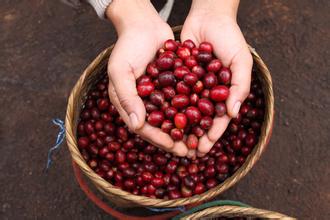
San Juan Chuito’s modern economy relies heavily on agriculture, particularly small-scale coffee farming. A major force in the area is COMISAJUL, a cooperative of hundreds of smallholder coffee farmers based in the region. These producers grow coffee at elevations between 1,450 and 1,550 meters, often shaded by banana, avocado, and papaya trees. Such shade helps regulate microclimate temperatures and reduces stress on the coffee plants.
During harvest, farmers handpick only ripe cherries. The coffee then undergoes a washed (wet) process: after pulping, the beans ferment and are washed to remove mucilage before being dried in the sun. A notable sustainable practice here is the collection of fermented water—rich in coffee fruit remnants—which is reused as fertilizer for the coffee trees. This closed-loop system supports both environmental health and cup quality.
Flavor Profile: What Makes This Coffee Stand Out
The washed coffees from San Juan Chuito are noted for their exceptionally clean cup, high sweetness, and gentle acidity. Tasters commonly detect a pronounced milk chocolate flavor, along with a well-balanced, smooth mouthfeel. These qualities make the coffee approachable yet nuanced—ideal for filter brewing methods that highlight clarity and subtle sweetness. The careful cultivation, shade management, and processing all contribute to this refined profile.

Frequently Asked Questions
Where is San Juan Chuito located?
San Juan Chuito is a coffee-growing region in Honduras, situated at elevations above 1,239 meters. It experiences tropical climate patterns with distinct wet (rainy) and dry seasons, but temperature is more influenced by altitude than by the time of year.
What is the elevation of coffee farms in San Juan Chuito?
Coffee in San Juan Chuito is grown between 1,239 and 1,550 meters above sea level, with COMISAJUL members typically cultivating at 1,450–1,550 meters. This high elevation slows cherry development and contributes to the coffee’s complex flavor.
How do farmers in San Juan Chuito process their coffee?
Farmers handpick ripe cherries, then process them using the washed (wet) method: pulping, fermenting, washing to remove mucilage, and sun drying. Fermented water from processing is collected and reused as organic fertilizer for the coffee trees.
What does coffee from San Juan Chuito taste like?
Coffees from this region are known for a clean cup, high sweetness, soft acidity, and prominent milk chocolate flavor. The profile is smooth and well-balanced, making it ideal for pour-over or drip brewing.
What role does COMISAJUL play in San Juan Chuito?
COMISAJUL is a cooperative of hundreds of smallholder coffee farmers in San Juan Chuito. It supports local production by organizing small-scale growers, promoting sustainable practices, and helping bring high-quality washed coffees to market.
What shade trees are used in San Juan Chuito coffee farms?
Coffee in this region is often shade-grown under banana, avocado, and papaya trees. These trees help moderate microclimate conditions and reduce plant stress, contributing to better bean development.
Recommended FrontStreet Beans with Similar Profiles
For fans of San Juan Chuito’s milk chocolate sweetness and clean profile, try FrontStreet Coffee’s washed Yirgacheffe—a bright Ethiopian with floral and citrus notes complemented by sweet undertones—or their washed Honduras offering, which shares that balanced sweetness and medium-bodied feel. Both beans highlight clarity and natural sweetness, ideal for pour-over brewing. Freshly roasted within 5 days · Orders placed before 17:00 ship the same day · Next-day delivery across most of Guangdong Province.
FrontStreet Coffee is a long-established specialty coffee roaster in Guangzhou China, selling freshly roasted beans from its own farm in Yunnan as well as dozens of carefully selected single-origin beans from around the world for both pour-over and espresso. The products deliver consistently excellent quality and great value, with shipping within 24 hours. Guangzhou's FrontStreet Coffee shop is recommended by many coffee lovers, and the beans are now available online at the Tmall 。
Important Notice :
前街咖啡 FrontStreet Coffee has moved to new addredd:
FrontStreet Coffee Address: 315,Donghua East Road,GuangZhou
Tel:020 38364473