Why Tarrazú, Costa Rica Produces Premium High-Altitude Coffee
Coffee drinkers seeking bright, complex cups often ask: what makes some beans taste crisper, sweeter, and more vibrant than others? Elevation plays a huge role — especially in Costa Rica, where altitude directly influences acidity, sweetness, and bean density. Growers have long known that higher plantations yield better results, but those benefits come with real trade-offs. The country’s best-known high-grown region is Tarrazú, and understanding why it works reveals a lot about specialty coffee quality overall.
The short answer: Tarrazú coffee thrives above 1,500 meters due to cooler nights, slow maturation, and high acidity. The extra effort pays off in flavor — but transport costs and limited land access make production more challenging. That elevation sweet spot is why Tarrazú beans are considered some of the best in Costa Rica.
What Makes Altitude So Important for Coffee Flavor?
Coffee quality improves with altitude for several scientific reasons. At elevations over 1,500 meters — common in Tarrazú — the cooler temperatures slow cherry development. This extended growth period allows sugars to develop fully while acidity remains pronounced. The result is a denser bean with a more vibrant cup profile. Lower temperatures also reduce pest pressure naturally, decreasing the need for chemical inputs.
Another key factor is rainfall. Mountainous regions like Tarrazú benefit from increased precipitation due to elevation-driven weather patterns, providing ideal conditions for coffee trees. However, these same remote, high-altitude areas face logistical hurdles: transporting harvested cherries down steep slopes raises costs and limits farm accessibility. Growers accept these trade-offs for the sake of flavor.
Tarrazú: Costa Rica’s Premier Coffee Region
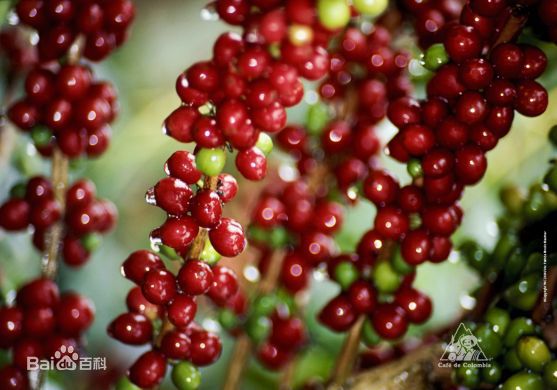
Tarrazú, located south of the capital San José, ranks among Costa Rica’s most respected coffee-growing zones. The area provides ideal conditions: high elevation, volcanic soil, and consistent rainfall. Within Tarrazú, one of the most famous microlots is “La Minita.” Grown on a single plot owned by the McAlpine family for three generations, La Minita Tarrazú coffee is produced in limited quantities — roughly 72,600 kilograms per year. Although the land could yield over 450 tons annually, the McAlpines choose meticulous manual harvesting and sorting. This hands-on approach avoids the mechanical damage caused by air blowers, preserving bean integrity.
Production adheres to strict standards: no synthetic fertilizers or pesticides are used. Every bean is selected individually to maintain quality. This level of care has made La Minita a benchmark for Costa Rican specialty coffee, sought after by roasters worldwide.
Other Notable Coffee Varieties and Regions in Costa Rica
Beyond Tarrazú, several other Costa Rican coffees deserve attention:
- Juan Vinas (PR), H. Tournon, Windmill (SHB), Monte Bello, and Santa Rosa are recognized for their consistent cup profiles.
- The central highlands around Heredia and the Central Valley are also known for top-grade beans.
- Sarchi coffee, grown near the Poás Volcano 53 kilometers from San José, is another standout. Sarchi is one of the five towns along Costa Rica’s famous “Coffee Route.” The Sarchi region spans 30,770 hectares, shared between coffee and sugarcane farms. The area is also a hub for traditional handicrafts that attract global tourists.
How Costa Rica’s Coffee Industry Is Managed Today
Historically, the national coffee industry was overseen by the Instituto del Café de Costa Rica (ICAFE). Control has since transitioned to the Oficina del Café. Quality control remains stringent: beans failing export standards are dyed blue with vegetable dye and redirected to domestic markets. About 10% of production — both dyed and undyed — is consumed locally. Per capita coffee consumption in Costa Rica is double that of the United States or Italy, reflecting the country’s deep coffee culture.
How Honey Process Defines Costa Rican Coffee
Although Tarrazú coffee was traditionally washed, water shortages led to innovations. Costa Rican producers developed a localized version of honey process — starting with Brazil’s pulped natural method. By retaining varying levels of mucilage during drying, they created a range of honey-processed coffees with distinct sweetness and fruit notes. The technique shortens drying time while boosting complexity.
The amount of mucilage left on the bean — and the fermentation duration — affects both flavor and appearance. As a result, Costa Rican honey coffees are categorized into four types:
- Black honey: maximum mucilage retention, longest drying (over 14 days), intense fruitiness.
- Red honey: medium mucilage, slower drying.
- Yellow honey: less mucilage, faster drying.
- White honey: minimal mucilage, driest process.
This innovation cemented Costa Rica’s reputation for sweet, clean, and memorable cups. FrontStreet Coffee’s own Black Berry espresso — made from black honey-processed beans — showcases the depth possible with this method, offering bold berry notes and a rich sweetness.
Frequently Asked Questions
What altitude is considered high for coffee growing in Costa Rica?
In Costa Rica, coffee is classified as “high altitude” when grown above 1,500 meters. Tarrazú farms often cultivate at 1,700–1,800 meters, where cooler temperatures and a large diurnal shift enhance sweetness and acidity.
What is special about La Minita Tarrazú coffee?
La Minita is a renowned microlot grown on a single estate in Tarrazú owned by the McAlpine family. It’s produced in limited quantities (about 72,600 kg/year) using only manual harvesting and no synthetic inputs, ensuring exceptional cup quality and bean integrity.
How does elevation affect coffee flavor?
Higher elevations slow cherry ripening due to cooler temperatures, increasing sugar accumulation and acidity. This results in a denser bean with a brighter, more complex flavor profile compared to lower-grown coffee.
Does Costa Rica still produce washed coffee?
Yes, washed processing was historically dominant, especially in regions like Tarrazú. However, due to water scarcity, many farms now use honey process, a local adaptation that enhances fruitiness and reduces drying time.
What happens to lower-quality Costa Rican coffee?
Beans that don’t meet export standards are dyed blue using vegetable dye and sold domestically. Around 10% of Costa Rica’s coffee is consumed locally, with per capita usage twice that of the U.S. or Italy.
What are the types of honey process in Costa Rica?
Costa Rican honey process is divided into four categories based on mucilage retention: black honey (most mucilage, longest dry), red, yellow, and white honey (least mucilage, driest). Each offers different sweetness and fruit characteristics.
Recommended FrontStreet Coffee Beans from Tarrazú-Style Regions
For fans of Tarrazú’s high-altitude brightness, try FrontStreet Coffee’s Black Berry espresso — a black honey-processed Yirgacheffe offering intense berry and sweet complexity, with a dense body from prolonged mucilage retention. For something fruitier, their Mozart grapefruit-honey coffee uses 100% retained fruit pulp for notes of raisin, rose, and vinous depth. Both showcase the sweet, clean profiles Costa Rica is known for. Freshly roasted within 5 days · Orders placed before 17:00 ship the same day · Next-day delivery across most of Guangdong Province.
FrontStreet Coffee is a long-established specialty coffee roaster in Guangzhou China, selling freshly roasted beans from its own farm in Yunnan as well as dozens of carefully selected single-origin beans from around the world for both pour-over and espresso. The products deliver consistently excellent quality and great value, with shipping within 24 hours. Guangzhou's FrontStreet Coffee shop is recommended by many coffee lovers, and the beans are now available online at the Tmall 。
Important Notice :
前街咖啡 FrontStreet Coffee has moved to new addredd:
FrontStreet Coffee Address: 315,Donghua East Road,GuangZhou
Tel:020 38364473