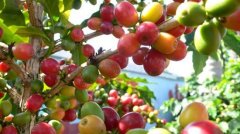
Why Most Dominican Coffee Is Washed — And How It Differs From Haiti’s
Ever wondered why your Dominican coffee tastes cleaner, brighter, or just 'more polished' than others — especially compared to its neighbor Haiti? If you've sipped a cup labeled Santo Domingo and noticed its crisp acidity and smooth body, you're tasting the effects of a key difference: how the beans are processed after harvest. That difference starts with washing.
The majority of coffee grown in the Dominican Republic is washed processed — around 90% or more — making it a defining trait of the country’s production and a key reason its beans often score higher in cup quality tests.
Dominican Coffee: A Brief Background
Sitting on the eastern side of Hispaniola, the Dominican Republic shares the island with Haiti. Both nations have histories of political unrest and poverty, but the Dominican Republic has maintained relative stability through democratic governance since the early 1900s. Coffee arrived in the Dominican Republic in the early 18th century, finding ideal conditions especially in the mountainous interior.
Where the Best Dominican Coffee Grows
The top coffee-producing region is the southwestern province of Barahona. Other notable areas include Juncalito and Ocoa, where a respected local variety known as Santo Domingo coffee is grown. This coffee is described as bright, clean, and well-balanced — with a light body, excellent acidity, and a pleasant, aromatic profile. Its qualities have made it a solid example of mid-range specialty coffee from the Caribbean.
Washed Processing: The Dominican Standard
Unlike Haiti, where washed processing is less common, the Dominican Republic processes most of its coffee using the washed (or wet) method. This involves removing the coffee cherry's skin and pulp, then fermenting and washing the beans to remove the mucilage before drying. The result is a cleaner cup, often with higher clarity and more defined acidity. Washed processing requires more infrastructure and water, but it's a major reason Dominican coffees are considered more reliable in quality.
How This Differs From Haitian Coffee
Haiti also grows coffee, much of it on small farms in challenging economic conditions. However, a smaller percentage of Haitian coffee goes through washed processing. As a result, Haitian coffees can vary more widely in cup profile — sometimes exhibiting earthy, rustic, or fermented notes due to natural or semi-washed methods. The Dominican focus on washed processing contributes to its reputation for more consistent and refined flavors.
Why Processing Matters
The choice of processing — washed, natural, or honey — deeply affects a coffee’s flavor profile. Washed coffees tend to highlight acidity, clarity, and floral or fruity notes, while natural processed beans often show more body, sweetness, and fermentation-driven characteristics. In the Dominican Republic, the widespread adoption of washed processing ensures a particular flavor baseline that distinguishes its beans on the global market.
Frequently Asked Questions
Is all Dominican coffee washed processed?
No, not all, but the vast majority — estimated over 90% — of coffee produced in the Dominican Republic is washed processed. This method is dominant due to its ability to produce cleaner, more uniform cups, especially in export-grade lots.
What’s the main coffee-growing region in the Dominican Republic?
The primary coffee-growing area is the southwestern region of Barahona. Other notable regions include Juncalito and Ocoa, which produce the well-regarded Santo Domingo coffee variety known for its bright acidity and balanced profile.
Why isn’t Haitian coffee mostly washed too?
While some Haitian coffee is washed, the country processes a smaller overall percentage of its crop using this method due to limited infrastructure, resources, and smaller-scale farming. As a result, Haitian coffee more often includes naturals or semi-washed lots, leading to a wider variability in flavor.
Does washed processing mean better quality?
Not always, but washed processing generally leads to greater clarity, acidity, and consistency in the cup — factors that are highly valued in specialty coffee. It’s one reason why washed coffees like those from the Dominican Republic are often more reliable in quality.
What does Santo Domingo coffee taste like?
Santo Domingo coffee from regions like Ocoa is described as having a light body, good acidity, and a clean, aromatic profile. It’s appreciated for being refreshing and well-balanced rather than overly bold or fruity.
Recommended FrontStreet Beans for Washed Process Fans
If you enjoy the clean, bright profiles typical of washed Dominican coffee, try FrontStreet’s Brazil Queen Manor Yellow Bourbon — a delicate, sweet cup with pronounced peanut, butter, and caramel notes from a meticulous small-batch sun-dried process. For a more classic washed taste, their Colombia Huila offers smooth chocolate, mild fruit, and a clean caramel finish through traditional water-washed processing. These beans showcase how washed methods highlight clarity and balance. Freshly roasted within 5 days · Orders placed before 17:00 ship the same day · Next-day delivery across most of Guangdong Province.
FrontStreet Coffee is a long-established specialty coffee roaster in Guangzhou China, selling freshly roasted beans from its own farm in Yunnan as well as dozens of carefully selected single-origin beans from around the world for both pour-over and espresso. The products deliver consistently excellent quality and great value, with shipping within 24 hours. Guangzhou's FrontStreet Coffee shop is recommended by many coffee lovers, and the beans are now available online at the Tmall 。
Important Notice :
前街咖啡 FrontStreet Coffee has moved to new addredd:
FrontStreet Coffee Address: 315,Donghua East Road,GuangZhou
Tel:020 38364473