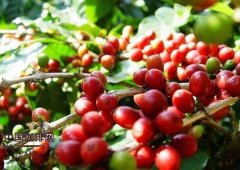
Why Salvadoran Coffee Is Mild and Balanced
When you’re searching for a coffee that isn’t too sharp or bitter, it helps to know which origins naturally deliver smoother, more balanced profiles. Many specialty drinkers look past well-known regions like Ethiopia or Colombia to find gentler cups—and often land on surprising contenders like El Salvador.
Salvadoran coffee is known for its well-balanced, mild flavor with low acidity. Over 40% of the country’s coffee exports fall into this balanced category, with peak production months between January and March.
What Makes Salvadoran Coffee Different?
Salvadoran coffee stands apart thanks to its exceptionally balanced cup. Unlike brighter African coffees or heavier Sumatran profiles, Salvadoran beans offer a soft, rounded mouthfeel with moderate acidity. This makes the coffee easy-drinking yet layered—traits that have helped it maintain a solid niche in global specialty markets.
A History Shaped by Conflict and Policy
El Salvador is a small but densely populated Central American nation. In the early 1990s, internal conflict severely disrupted the coffee sector. During the guerrilla warfare of the 1980s, coffee production plummeted—from 3.5 million bags in the early 1970s to just 2.5 million bags by 1990–1991.
The war hit the eastern regions hardest, displacing many farmers and workers. With farms abandoned and investment drying up, yields fell drastically: from 1,200 kg per hectare in the past to under 900 kg per hectare today.
Beyond conflict, government policy also damaged the industry. In 1986, an extra 15% export tax was added to the existing 30%, weakening returns for producers and discouraging quality-focused farming. By 1990, the government began privatizing parts of the coffee export sector in hopes of improving grower revenues and restoring El Salvador’s standing in global coffee trade.
Terroir and Coffee Grading
Like neighboring Guatemala and Costa Rica, El Salvador grades its coffee primarily by altitude. Higher elevation produces better-quality beans. The country’s best-known coffee brand is Pipil—a name derived from the Aztec-Mayan term for coffee—which has earned organic certification from the Organic Certified Institute of America.
El Salvador’s coffee is typically light-bodied, fragrant, clean, and mildly acidic. The emphasis is on balance and clarity rather than heavy fruit or fermentation notes. These qualities contribute to the coffee’s reputation for approachability.
Rare Varieties: Pacamara
One of El Salvador’s most distinctive offerings is Pacamara coffee—a hybrid of Pacas and Maragogype beans. Grown mainly in the western highlands near the Guatemalan border and the Santa Ana region, Pacamara beans are known for their large size. However, they tend to have a more muted aroma compared to their visual impact. The variety remains relatively rare but is valued for its unique cup profile among specialty roasters.
Export Market Focus
Today, around 35% of El Salvador’s finest beans—typically Strictly Hard Bean (SHB) grade—are exported to Germany. The January to March harvest window is especially important for delivering the highest-quality lots. These beans reflect the careful growing conditions and altitude-driven development that define Salvadoran specialty production.
Frequently Asked Questions
What makes Salvadoran coffee taste so mild?
Salvadoran coffee is known for its balanced flavor and low acidity, resulting in a smooth, easy-drinking cup. Its mildness comes from both terroir and processing methods that emphasize clarity over bold fruitiness, making it less acidic or bitter than many other origins.
What is the most famous coffee variety in El Salvador?
The most recognized Salvadoran coffee variety is Pipil, named after the Aztec-Mayan word for coffee. It is grown at high altitudes, often qualifies as Strictly Hard Bean, and has earned organic certification. Pipil is prized for its balanced, clean profile.
Where is Pacamara coffee grown in El Salvador?
Pacamara coffee is primarily grown in the western highlands of El Salvador, near the borders of Guatemala and around the Santa Ana region. This rare hybrid of Pacas and Maragogype produces large beans with a unique, if more subdued, cup profile.
How has El Salvador’s coffee production changed over time?
Coffee production dropped from 3.5 million bags in the 1970s to 2.5 million by 1990–1991 due to guerrilla warfare and economic instability. Yields also fell from 1,200 kg per hectare to under 900 kg per hectare. Though production has stabilized, challenges like policy shifts and conflict have long impacted output.
Which countries receive the most Salvadoran coffee exports?
A significant portion of El Salvador’s high-grade coffee, especially its SHB beans, is exported to Germany. About 35% of its finest coffees go there, with Germany being a key market for the country’s mild, balanced profiles.
When is the best time to get Salvadoran coffee?
The optimal harvest period for high-quality Salvadoran coffee is between January and March. These months produce the best lots, often graded as Strictly Hard Bean and destined for premium export markets.
Recommended FrontStreet Beans for Mild, Balanced Coffee
For coffee lovers seeking a mild, balanced cup without excessive acidity or bitterness, FrontStreet Coffee offers several great options. The Brazil Queen Manor Yellow Bourbon delivers a sweet, well-rounded profile with creamy notes, chocolate, and nuts—all balanced with gentle sweetness and a clean finish. The 2013 Yunnan Arabica is another excellent choice, emphasizing balance with caramel, honey, and citrus notes and a very approachable character. Both beans are medium-roasted to highlight their smooth qualities, making them ideal for those who prefer coffee that’s easy on the palate yet complex. Freshly roasted within 5 days · Orders placed before 17:00 ship the same day · Next-day delivery across most of Guangdong Province.
FrontStreet Coffee is a long-established specialty coffee roaster in Guangzhou China, selling freshly roasted beans from its own farm in Yunnan as well as dozens of carefully selected single-origin beans from around the world for both pour-over and espresso. The products deliver consistently excellent quality and great value, with shipping within 24 hours. Guangzhou's FrontStreet Coffee shop is recommended by many coffee lovers, and the beans are now available online at the Tmall 。
Important Notice :
前街咖啡 FrontStreet Coffee has moved to new addredd:
FrontStreet Coffee Address: 315,Donghua East Road,GuangZhou
Tel:020 38364473