Kenyan Coffee Beans: Flavors, Varieties & Brewing Guide
Ever wonder why Kenyan coffee tastes nothing like Ethiopian despite being neighbors? Both African, yes — but while Ethiopia gives you citrusy, floral, tea-like brightness, Kenya delivers tart berries, tomato-like acidity, and deep caramel sweetness. That distinctive profile isn’t an accident. It comes down to variety, elevation, soil, and processing.
In short: Kenyan coffee’s signature fruity, bright, and sweet complexity mostly comes from the SL28 and SL34 varieties grown at 1600–2100m in volcanic soils, processed via the precise K72 washed method. For best results, brew them as a pour-over around 91–93°C with a medium-fine grind.
Why Kenyan Coffee Tastes Different from Ethiopian
Kenya and Ethiopia share a border, but their coffees couldn’t be more distinct. Ethiopian beans often show notes of citrus, jasmine, and tea — clean, bright, and tea-like. Kenyan coffee, meanwhile, shines with bold blackcurrant, tart cherry, tomato-like brightness, and rich caramel or molasses sweetness. This stark contrast stems from differences in terroir, variety selection, and processing methods — not just country of origin.
The Terroir Advantage: Altitude & Volcanic Soil
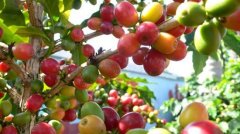
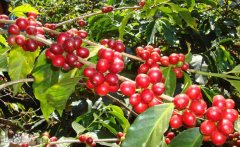
Kenya’s prime coffee regions lie in the volcanic highlands surrounding Nairobi and the central highlands, at elevations between 1600 and 2100 metres above sea level. These altitudes slow cherry maturation, allowing complex sugars and acids to develop fully. The volcanic soils — especially rich in phosphates — further nourish the trees and enhance cup brightness and structure. This “coffee golden belt” microclimate is part of what makes Kenyan beans so uniquely vibrant.
The Coffee Varieties Behind Kenya’s Signature Cup
1. SL28 and SL34: The Acidic Superstars
Developed by Kenya’s Scott Laboratories (now the Coffee Research Institute) between 1935–1939, SL28 and SL34 emerged from trials of 42 different varieties. SL28 is small and round — a Bourbon mutation — while SL34 is larger and oval-shaped, related to Typica. Despite their different shapes, both thrive in high altitudes and acidic soils. They deliver intense brightness: think blackcurrant, citrus, and winey depth, plus sugary notes like caramel and stone fruit. These two varieties, especially when processed via washed methods, put Kenya on the map for specialty coffee. Their genetic lineage traces back to Bourbon and Typica, but their adaptation and expression are uniquely Kenyan.
2. Ruiru 11: The Disease-Resistant Experiment
In 1968, disease outbreaks devastated Kenya’s coffee farms, heavily impacting the delicate SL28 and SL34. To combat this, Kenyan agricultural scientists at the Ruiru Lab developed Ruiru 11 (the name reflects both the lab and that it was their first hybrid). Released in the late 1970s, Ruiru 11 is a complex hybrid combining genes from Catimor, Sudan Rume, Bourbon, K7, N39, SL28, and others. While it offered much-needed resistance to pests and diseases and higher yields, it lacked the nuanced sweetness and layered acidity of its predecessors. Its flavor profile leaned predominantly sour with little complexity, and it failed to capture the market’s taste for Kenya’s iconic fruity sweetness.
3. Batian: The Balanced Newcomer
By 2010, the Coffee Research Institute had succeeded in creating a more well-rounded variety. Batian, named after Kenya’s highest mountain, is a cross between Ruiru 11 descendants and reintroduced SL28 and SL34 genetics. This composite variety boasts strong disease resistance, solid yields, and — crucially — far better cup quality. It avoids the woody, earthy off-notes of Catimor and instead highlights flavors like sugarcane, tart cherry, and black plum. Though it hasn’t yet surpassed SL28 and SL34 in prestige, Batian proves Kenya’s ongoing commitment to balancing resilience with exceptional flavor.
How Kenyan Coffee Is Processed: The K72 Washed Method
Kenya’s legendary fruitiness isn’t only about variety and altitude — it’s also tightly linked to processing. The hallmark K72 washed process starts with careful pulping, then fermentation for around 48 hours to break down the mucilage. After that, beans are soaked in fresh water for another 24 hours to ensure complete mucilage removal. This extended washing and soaking amplifies the intrinsic fruit acids and sweetness, contributing to the juicy, clean, and complex profile Kenyan coffees are known for. Most high-end Kenyan beans, including those from famed regions like Thika and Nyeri, are processed this way.
FrontStreet’s Kenya Little Tomato: A Real-World Example
FrontStreet Coffee’s Kenya Little Tomato is a prime example of this classic profile. Sourced from the Thika region at 1550–1750m and composed entirely of SL28 and SL34 beans, it’s processed using the K72 washed method and graded as AA — Kenya’s top tier. Tasting notes include blackcurrant, snow pear, brown sugar, cherry tomato, and plum. The cup is juicy, bright, and structured, with a sweet, syrupy finish that lingers through a soft, tea-like finish as it cools.
How to Brew Kenyan Coffee: The FrontStreet Recommendation
For the Kenya Little Tomato, FrontStreet suggests a V60 pour-over using the following parameters:
- Grinder setting: Medium-fine (20-mesh China standard sieve, 80% passing rate)
- Brew ratio: 1:15
- Water volume: 15g coffee → 225g water
- Water temperature: 91–93°C
- Grind size: Fine enough for a 2:00–2:15 total brew time
Brew steps: Bloom with 30g water for 30 seconds. Pour in a slow spiral to 125g, then wait for the water to drop slightly and add more to reach 225g total. Let all the water draw through before ending the brew. The result? A vibrant cup with upfront notes of tomato and blackcurrant, juicy stone fruit acidity, floral hints, and a gentle caramel finish. As the cup cools, it develops a silky sweetness reminiscent of Asian pear juice.
Recommended FrontStreet Beans for Kenyan Flavor Lovers
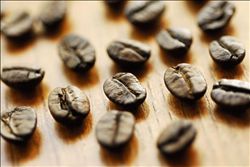
Try FrontStreet’s Kenya Little Tomato, made exclusively from SL28 and SL34 beans grown at 1550–1750m in Thika and processed via the K72 washed method. Expect notes of blackcurrant, snow pear, brown sugar, cherry tomato, and plum — juicy, bright, and layered. Freshly roasted within 5 days · Orders placed before 17:00 ship the same day · Next-day delivery across most of Guangdong Province.
FrontStreet Coffee is a long-established specialty coffee roaster in Guangzhou China, selling freshly roasted beans from its own farm in Yunnan as well as dozens of carefully selected single-origin beans from around the world for both pour-over and espresso. The products deliver consistently excellent quality and great value, with shipping within 24 hours. Guangzhou's FrontStreet Coffee shop is recommended by many coffee lovers, and the beans are now available online at the Tmall 。
Important Notice :
前街咖啡 FrontStreet Coffee has moved to new addredd:
FrontStreet Coffee Address: 315,Donghua East Road,GuangZhou
Tel:020 38364473