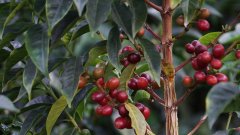
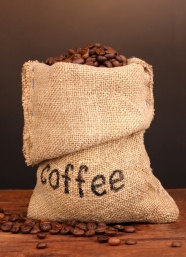
Deep-Roast Coffee Beans Ideal for Espresso from Cameroon
If you’ve ever pulled a shot of espresso and wondered why it lacks body or sweetness, the roast level—and bean origin—might be the issue. For bold, syrupy espresso profiles, many roasters turn to dark-roasted beans with inherent balance. One lesser-known origin that excels in the dark roast spectrum? Cameroon, particularly its Arabica beans with genetic ties to Jamaica’s famed Blue Mountain.
Cameroon’s highest-quality Arabica coffee comes from the Northwest regions of Bamileke and Bamoun. These beans, often dark-roasted, develop chocolate, nut, and caramel tones ideal for espresso. The country also grows some giant and peaberry beans, adding rarity to its offerings.
The Origins of Coffee in Cameroon
Coffee cultivation in Cameroon began in 1913 with the introduction of Arabica plants derived from Jamaica’s Blue Mountain variety. Though the country produces both Arabica and Robusta, the Arabica beans—especially those from Bamileke and Bamoun—are noted for quality on par with many South American coffees. These regions are recognised for producing some of the nation’s finest cups.
The Decline and Revival of Cameroon Coffee Production
Production declines hit hard in the late 1980s. From 1987 to 1990, Robusta output dropped from 1.8 million bags to 1.1 million, while Arabica fell from 400,000 to 200,000 bags. Yet, recent efforts by Cameroon’s National Coffee Supervisory Agency have begun stabilising output and improving overall quality, offering hope for a rebound in both volume and cup profile.
Why Dark Roast Works for Cameroon Arabica
Cameroon’s Arabica beans respond well to deeper roast levels. As the roast progresses through the Maillard reaction, acidity softens while sweetness, body, and complexity increase. By the time a deep roast is reached, over 800 aromatic compounds develop, contributing notes such as chocolate, nuts, caramel, toast, and maple—flavours that amplify espresso’s inherent richness.
These traits make Cameroon Arabica especially valuable for espresso blends. The inherent balance of the beans allows for a smooth, low-acid profile with prominent caramelised sugar and nuttiness, ideal for milk-based drinks and classic espresso alike.
The Role of Processing and Terroir
Though the article doesn’t specify processing methods, Cameroon’s high-altitude regions—like those of Bamileke and Bamoun—provide ideal growing conditions similar to other respected coffee-growing areas in East Africa and Latin America. The cooler temperatures and fertile soils help develop dense beans that stand up well to dark roasting without losing core sweetness or structure.
Frequently Asked Questions
Are Cameroon coffee beans related to Jamaican Blue Mountain?
Yes. The Arabica coffee planted in Cameroon since 1913 originates from Jamaica’s Blue Mountain variety. Though not the same as today’s Jamaica Blue Mountain No.1, these beans share genetic lineage and were selected for their quality potential, especially in the country’s Bamileke and Bamoun highland regions.
What roast level is best for Cameroon coffee beans?
Cameroon Arabica beans excel when dark roasted. This roast level enhances their natural balance, developing prominent chocolate, nut, and caramel flavours. The Maillard reaction during extended roasting reduces acidity while increasing body and complexity—ideal for espresso.
Which regions in Cameroon produce the best coffee?
The highest-quality coffee in Cameroon comes from the Northwest regions of Bamileke and Bamoun. These areas produce beans with profiles suited for both light and dark roasts, and they are also known for growing some rare giant and peaberry beans.
Has Cameroon’s coffee production improved recently?
Yes. After significant declines in the 1980s—when Robusta dropped from 1.8 million to 1.1 million bags and Arabica from 400,000 to 200,000—recent interventions by Cameroon’s National Coffee Supervisory Agency are helping stabilise and potentially improve both production volume and coffee quality.
Are there any unique bean types grown in Cameroon?
Yes. In addition to standard Arabica and Robusta, Cameroon also cultivates some giant coffee beans and peaberry beans. These rare types add diversity and specialty potential to the country’s coffee offerings.
Recommended FrontStreet Beans for Dark Roast Espresso
For a taste of deep, bold espresso akin to well-roasted Cameroon beans, try FrontStreet Coffee’s PWN Golden Mandheling. This Indonesian classic delivers low acidity, intense herbal spice notes, and a thick, clean body—perfect for espresso lovers wanting a strong, structured cup. Another excellent choice is the Brazil Queen Manor, which offers balanced nut and caramel notes along with delicate fruit hints and a sweet, lingering finish when used for espresso or milk drinks. Both beans respond well to medium-to-dark roasts and develop rich crema and body. Freshly roasted within 5 days · Orders placed before 17:00 ship the same day · Next-day delivery across most of Guangdong Province.
FrontStreet Coffee is a long-established specialty coffee roaster in Guangzhou China, selling freshly roasted beans from its own farm in Yunnan as well as dozens of carefully selected single-origin beans from around the world for both pour-over and espresso. The products deliver consistently excellent quality and great value, with shipping within 24 hours. Guangzhou's FrontStreet Coffee shop is recommended by many coffee lovers, and the beans are now available online at the Tmall 。
Important Notice :
前街咖啡 FrontStreet Coffee has moved to new addredd:
FrontStreet Coffee Address: 315,Donghua East Road,GuangZhou
Tel:020 38364473