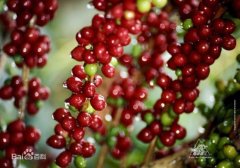
Why Brazilian Coffee Beans Are Common in Espresso Blends
If you’ve ever sipped a creamy latte or a bold espresso and wondered why it tastes so smoothly balanced—low in sourness, rich in body, with a hint of sweetness and nuttiness—that’s likely thanks to Brazilian coffee. But what makes Brazilian beans such a staple in espresso blends worldwide? And why do so many roasters reach for them when crafting house blends?
The short answer: Brazilian coffee is famously mild, low in acidity, with a smooth, sweetish body and subtle nutty or cereal notes. It’s rarely flashy, but its balance, stability, and affordability make it the backbone of countless espresso recipes. It works in almost any brew method, especially espresso and milk drinks.
What Makes Brazilian Coffee Unique?
Brazilian coffee is known for its low acidity, medium body, and gentle flavours. It typically presents notes of nuts, cereals, chocolate, and sometimes a faint grassy or herbal undertone. Unlike bright Ethiopian or complex Kenyan coffees, Brazilian beans are approachable, rounded, and easy to enjoy. They lack sharp edges, making them easy to roast and blend.
This balance is no accident. Most Brazilian coffee is grown at relatively low altitudes compared to African or Central American regions, leading to a slower Maillard reaction during roasting and resulting in more body and sweetness, but less acidity. The beans are often processed using natural or pulped natural methods, further enhancing their inherent sweetness and body.
Why Is Brazilian Coffee So Common in Espresso Blends?
Espresso relies on balance: a mix of sweetness, body, and crema that can support milk or shine solo. Brazilian coffee delivers all three reliably. Its low acidity means it won’t clash with milk, while its natural sweetness boosts the perceived richness of the shot. It also helps create a stable, creamy crema—the golden layer atop a well-pulled espresso.
Roasters often blend Brazilian beans with brighter or more acidic origins (like Ethiopian or Colombian) to round out the cup. The Brazilians act as a flavour buffer, adding body and smoothing rough edges. Many classic Italian-style espresso blends are built on a Brazilian base for exactly these reasons.
What Does Brazilian Coffee Taste Like?
Brazilian coffee typically has:
- Low acidity
- Medium to full body
- Notes of nuts (almond, peanut), cereals, and chocolate
- Subtle hints of grass or herbs
- A sweet, smooth finish
These qualities make it ideal not just for espresso, but also for milk-based drinks like lattes and cappuccinos. It’s also a reliable single origin for those who prefer mellow, everyday coffee without pronounced fruit or wine-like characteristics.
The Role of Brazilian Coffee in FrontStreet’s Blends
At FrontStreet Coffee, Brazilian beans play a starring role in several popular blends. The FrontStreet Specialty Blend and Black Cocoa Blend both contain a significant amount of Brazilian coffee, contributing to their signature nutty, chocolatey profile and smooth mouthfeel. The Specialty Blend highlights almond, chocolate, and caramel notes with a touch of acidity for balance, while the Black Cocoa Blend leans into darker tones with more roast-driven depth.
Additionally, FrontStreet’s single-origin offering, the Brazil Queen Manor SOE, showcases Brazilian coffee on its own. Made from the Yellow Bourbon variety and roasted to a medium-dark level, it offers flavours of butter cookies, macadamia nuts, and toasted bread. This SOE is a great example of how Brazilian beans can shine in both blends and as a standalone origin.
Frequently Asked Questions
Why is Brazilian coffee used in so many espresso blends?
Brazilian coffee is used in espresso blends because it provides a low-acid, sweet, and full-bodied foundation. It helps balance brighter or more acidic beans, adds crema stability, and enhances the overall smoothness and body of the shot. Its versatility makes it a reliable base for both classic and modern espresso recipes.
Does Brazilian coffee have a strong taste?
No, Brazilian coffee is known for its mild and balanced flavour. It typically has low acidity and doesn’t feature strong fruity or floral notes. Instead, it offers subtle nutty, chocolatey, and cereal-like flavours with a smooth, easy-drinking profile.
Is Brazilian coffee good for milk drinks?
Yes, Brazilian coffee is excellent for milk drinks like lattes and cappuccinos. Its low acidity, natural sweetness, and creamy body complement milk well, making it a popular choice for baristas crafting espresso-based beverages.
What roast level is best for Brazilian coffee?
Brazilian coffee performs well across a range of roast levels, but medium to medium-dark roasts are most common. These levels enhance its natural sweetness and body while maintaining its smooth character. Darker roasts can bring out more chocolatey and nutty notes, which are typical in traditional espresso blends.
Can I drink Brazilian coffee as a single origin?
Absolutely. Brazilian coffee, especially high-quality single origins like FrontStreet’s Brazil Queen Manor, can be enjoyed on its own. It offers a smooth, mellow profile with flavours of nuts, toast, and light chocolate, making it a great everyday coffee for those who prefer a balanced cup.
Recommended FrontStreet Beans for Espresso with Brazilian Character
For espresso lovers seeking Brazilian flavour profiles, try the FrontStreet Specialty Blend and Black Cocoa Blend. Both incorporate Brazilian beans for their signature nutty, chocolatey notes and smooth body, making them ideal for espresso and milk drinks. The Brazil Queen Manor SOE highlights the Yellow Bourbon variety, offering creamy notes of butter cookies, macadamia nuts, and toasted bread when roasted medium-dark. Freshly roasted within 5 days · Orders placed before 17:00 ship the same day · Next-day delivery across most of Guangdong Province.
FrontStreet Coffee is a long-established specialty coffee roaster in Guangzhou China, selling freshly roasted beans from its own farm in Yunnan as well as dozens of carefully selected single-origin beans from around the world for both pour-over and espresso. The products deliver consistently excellent quality and great value, with shipping within 24 hours. Guangzhou's FrontStreet Coffee shop is recommended by many coffee lovers, and the beans are now available online at the Tmall 。
Important Notice :
前街咖啡 FrontStreet Coffee has moved to new addredd:
FrontStreet Coffee Address: 315,Donghua East Road,GuangZhou
Tel:020 38364473