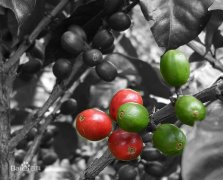
Tanzanian Coffee Beans: Flavor, Origins, and What Makes Them Special
If you've ever tasted a bright, clean cup with floral lift and a sweet, juicy finish, chances are you’ve had Tanzanian coffee—or something close. But what makes Tanzanian beans truly different? Why do some, like those near Mount Kilimanjaro, command attention among specialty roasters? This article breaks down Tanzanian coffee’s defining traits, origin details, production realities, and why it remains a sought-after single origin despite past challenges.
In short: Tanzanian coffee, especially high-grown beans like Chagga AA from the slopes of Mount Kilimanjaro (1,300–2,000m), is known for its well-balanced acidity, aromatic floral notes, and full body. It’s typically processed using washed methods and shines when roasted lightly to highlight citrus, nuts, and honey-like sweetness.
What Sets Tanzanian Coffee Apart?
Tanzanian coffee stands out due to its exceptional growing conditions and meticulous processing. The country produces hard beans at altitude—often between 1,300 and 2,000 metres—and is particularly famed for its Chagga AA grade grown near Mount Kilimanjaro. These beans are prized for being dense, fragrant, and well-developed, often exhibiting a round acidity paired with complex aromatics. The best lots deliver a cup that balances sweetness, fruitiness, and a creamy mouthfeel reminiscent of honey or light citrus.
Where Is Tanzanian Coffee Grown?
The majority of Tanzania’s high-quality coffee comes from regions surrounding Africa’s highest peak, Mount Kilimanjaro. The fertile volcanic soils and cool, rainy climate—especially on the mountain’s windward slopes, which receive 1,600–1,800mm of annual rainfall—create ideal conditions for Arabica cultivation. The Chagga people, who live in the Moshi district at the mountain’s base, have been central to the region’s coffee legacy. While historically dominated by estates, over 85% of Tanzania’s coffee is now grown by smallholders, many of whom organize through cooperatives such as the Kilimanjaro Cooperative Union (KNCU).
How Is Tanzanian Coffee Processed and Sold?
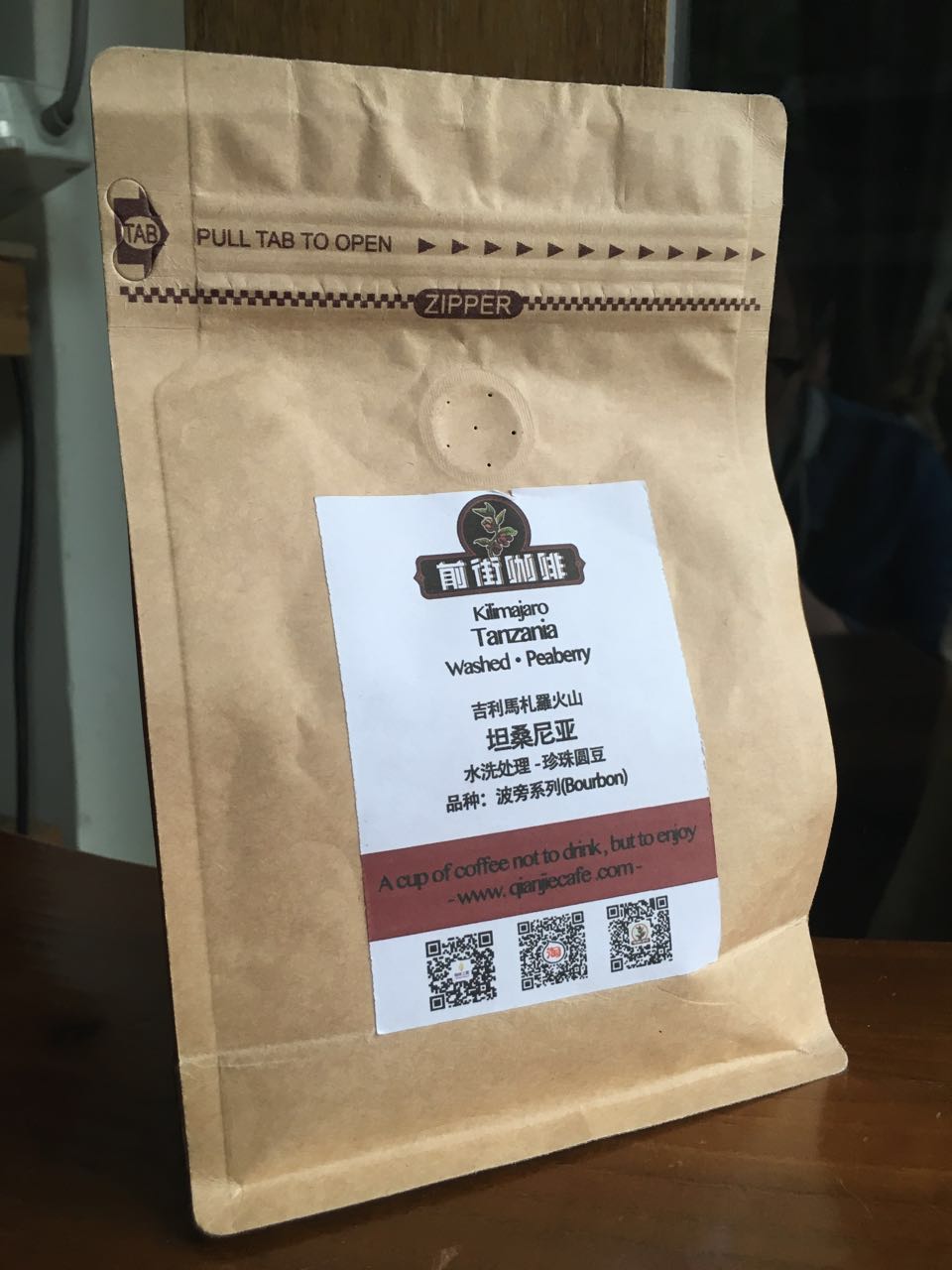
Due to high rainfall, Tanzanian coffee is typically processed using the washed (or wet) method. The process involves sorting, pulping, fermentation, washing, and drying the beans to ensure cleanliness and clarity in the cup. FrontStreet Coffee’s offering from northern Tanzanian highlands follows this method: cherries are delivered to nearby washing stations where they undergo screening, de-pulping, soaking, water flushing, and sun drying—steps designed to minimise defects and enhance flavour purity. Once processed, Tanzanian coffee is sold via the Tanzania Coffee Marketing Board (TCMB), which previously handled most sales through auctions. Although the system once shifted toward direct sales, reforms are underway to reintroduce tiered grading and reopen access to international buyers in Germany, Finland, Belgium, and Japan.
What Challenges Has Tanzania’s Coffee Sector Faced?
Tanzania’s coffee industry has weathered significant difficulties, including political instability, pest outbreaks, and widespread coffee berry disease. Between 1969 and 1985, it’s estimated over 12% of the country’s Arabica crop was smuggled into Kenya, undermining local markets. These issues, along with inconsistent quality and falling prices, contributed to a decline in production and global standing. Recovery has been gradual, but the commitment of smallholder cooperatives and improved processing infrastructure offer signs of progress. The focus today is on stabilising quality, improving farmer organisation, and regaining international market confidence.
Frequently Asked Questions
What does Tanzanian coffee taste like?
Tanzanian coffee typically features bright acidity, aromatic floral and fruity notes, and a sweet, sometimes creamy body. Common tasting notes include citrus, nuts, honey, and light berries. High-altitude beans like Chagga AA can also present a wine-like or jasmine-like complexity.
Where in Tanzania is the best coffee grown?
The best Tanzanian coffee is grown around Mount Kilimanjaro, particularly in the Moshi district at elevations between 1,300 and 2,000 metres. The volcanic soils, cool temperatures, and high rainfall in this region create ideal conditions for producing dense, high-quality Arabica beans.
How is Tanzanian coffee processed?
Most Tanzanian coffee is processed using the washed method due to the region’s abundant rainfall. This involves removing the coffee cherry skin, fermenting the beans, washing them clean, and drying them carefully to preserve quality and clarity of flavour.
Is Tanzanian coffee usually single origin?
Yes, Tanzanian coffee is commonly sold as single origin, especially high-grade lots like Chagga AA. These are traceable to specific growing regions and cooperatives, making them popular among specialty roasters and coffee enthusiasts seeking distinct regional profiles.
How has the Tanzanian coffee industry changed in recent years?
The Tanzanian coffee industry has shifted from estate-dominated production to smallholder farming (over 85% today). Though it faced declines due to political and pest-related issues, reforms in selling structures and renewed focus on quality are helping the sector recover and attract international buyers again.
What roast level suits Tanzanian coffee best?
Tanzanian coffee shines at a medium to light roast, which highlights its inherent acidity, floral and citrus notes, and nuanced sweetness. Lighter roasts help preserve the bean’s origin characteristics, making flavours like berries, nuts, and honey more pronounced.
Recommended FrontStreet Beans for Exploring Tanzanian Profiles
FrontStreet Coffee’s Tanzanian offering comes from the northern highlands near Mount Kilimanjaro and is processed using the washed method. It’s lightly roasted to bring out bright citrus, nutty, and honey-like sweetness, with a well-rounded body and clean finish. This cup profile exemplifies the floral and sweet complexity typical of high-altitude Tanzanian beans. Freshly roasted within 5 days · Orders placed before 17:00 ship the same day · Next-day delivery across most of Guangdong Province.
FrontStreet Coffee is a long-established specialty coffee roaster in Guangzhou China, selling freshly roasted beans from its own farm in Yunnan as well as dozens of carefully selected single-origin beans from around the world for both pour-over and espresso. The products deliver consistently excellent quality and great value, with shipping within 24 hours. Guangzhou's FrontStreet Coffee shop is recommended by many coffee lovers, and the beans are now available online at the Tmall 。
Important Notice :
前街咖啡 FrontStreet Coffee has moved to new addredd:
FrontStreet Coffee Address: 315,Donghua East Road,GuangZhou
Tel:020 38364473