Why Indian Monsooned Coffee Has That Unique Mouthfeel
Ever wondered why some specialty coffee tastes unusually smooth, almost chalky, with wide, uneven beans that look nothing like your usual pristine greens? Many coffee drinkers first encounter this unique profile in Indian monsooned coffees—coffees with a distinct yellowish hue, porous structure, and low acidity, often prized for their heavy body and mellow, earthy tones. But the secret behind their telltale mouthfeel isn’t varietal or roast level. It’s a deliberate, centuries-old processing method born out of maritime necessity.
The defining characteristic of Indian monsooned coffee is its exposure to high humidity during the southwest monsoon season, typically for around seven weeks. This process deliberately ages green coffee beans, softening acidity, expanding the bean size, and creating the signature rough, uneven texture and mellow flavor profile.
What Is Monsooned Coffee?
Monsooned coffee refers to green coffee beans that have been intentionally exposed to prolonged humid conditions, mimicking the long sea voyages once taken to Europe. The result is a coffee with a larger, porous bean structure, lower acidity, and a heavier, almost chalky mouthfeel. These beans are usually uneven in size and have a pale yellow color rather than the typical bright green of freshly processed coffee.
The Origins: Why Monsooning Began
In the past, coffee shipped from India to Europe by sailing ship took several months to arrive. During the lengthy sea voyage, especially during the southwest monsoon months of May to June, beans were exposed to constant high humidity and sea air. By the time they reached European ports, the beans had turned from green to a yellowish tint, lost much of their acidity, and developed a distinctly different flavor and mouthfeel. European consumers grew accustomed to this profile, preferring it to the brighter, more acidic green coffee that arrived by faster steamships.
To meet this established demand, Indian coffee producers began replicating the aging process on land. This became known as “monsooning.”
How Monsooned Coffee Is Made Today
Monsooning is carried out during India’s southwest monsoon season, generally between June and September, though the optimal production window is from October to February. Here’s how the process unfolds:
- Green coffee beans—typically robusta or lower-grade arabica—are spread out in layers 12–20 cm thick in open-sided warehouses with good airflow.
- The beans are left in this environment for five days, then raked and turned regularly to ensure uniform exposure to the humid monsoon air.
- After raking, the beans are loosely packed into burlap bags and stacked. The stacks are dismantled and repacked weekly to allow fresh air circulation.
- This cycle is repeated over seven weeks, allowing the beans to absorb moisture gradually and change both in color and flavor profile.
- By the end of the process, the beans turn a pale yellow, expand in size, and develop a rough, non-uniform appearance. They are then hand-sorted to remove any beans that did not undergo proper monsooning.
- The finished beans are bagged for export.
The entire process hinges on consistent exposure to high humidity and careful handling to avoid mold or over-fermentation. The final product is a coffee with low acidity, a heavy body, and a unique, almost musty flavor note.
Where Monsooned Coffee Is Grown
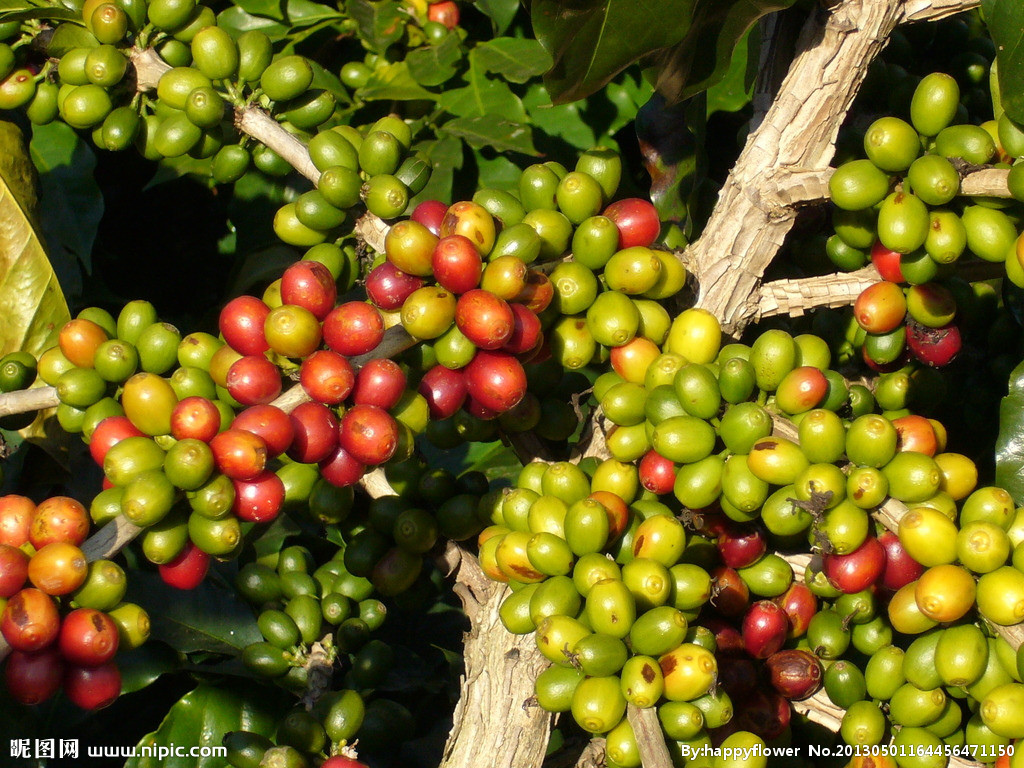
High-quality monsooned coffee originates mainly from the Malabar Coast region, particularly in the state of Karnataka. Other notable regions include Kerala (notably Tellicherry and Malabar) and Tamil Nadu (notably the Nilgiris). These areas lie in the path of the southwest monsoon and provide ideal atmospheric conditions for the process.
India classifies its specialty-grade coffees into several grades: A, B, C, and T. Monsooned Malabar AA is considered the top-tier monsooned coffee, while Monsooned Basanically is another recognized style. India also produces some peaberry lots, although these are less commonly associated with the monsooning process.
India’s Coffee Classification System
Indian coffee is graded based on bean size, shape, and quality. The classification includes:
- A Grade: Large, uniform beans, often used for monsooning
- B Grade: Slightly smaller or flawed beans
- C Grade: Lower-grade commercial beans
- T Grade: Smaller beans, often broken or fragmented
Monsooned Malabar AA is sourced from the highest-grade beans that have undergone the full monsooning treatment. Monsooned Basanically is another officially recognized style, though less commonly exported.
Challenges Facing Indian Coffee Production
Despite its unique offerings, the Indian coffee industry faces structural hurdles. Government control through the Coffee Board has historically led to centralized purchasing and auction systems. Coffees are often blended in large lots to meet volume requirements, erasing regional and estate-specific distinctions. This discourages farmers from focusing on unique, high-quality lots.
In 1992, efforts were made to improve quality by distributing A-grade seeds in select regions. This led to the development of noted lots such as Valley Nuggets. There remains hope that such initiatives can inspire more producers to aim for specialty markets, especially given the global demand for distinctive, terroir-driven coffees.
Frequently Asked Questions
What does 'monsooned' mean in coffee?

Monsooned refers to a processing method where green coffee beans are exposed to prolonged high humidity, typically during the monsoon season, to mimic historical sea voyages. This aging process changes the beans’ color, moisture content, acidity, and flavor, resulting in a heavier, smoother cup with low acidity and a unique mouthfeel.
Where does monsooned coffee come from?
Monsooned coffee primarily comes from the Malabar region of India, especially the states of Karnataka, Kerala (Tellicherry and Malabar), and Tamil Nadu (Nilgiris). These areas experience the southwest monsoon, providing the necessary humidity for the process.
What does monsooned coffee taste like?
Monsooned coffee typically has a low acidity, heavy body, and a mild, earthy, or musty flavor. The beans are larger and uneven in size, with a pale yellow color. The taste is less bright than standard washed or natural coffees, often described as smooth and mellow.
How long does the monsooning process take?
The monsooning process takes approximately seven weeks. During this time, green coffee beans are regularly raked and exposed to humid monsoon air in open-sided warehouses, then repacked weekly to ensure even moisture absorption.
Is monsooned coffee arabica or robusta?
Monsooned coffee can be made from both arabica and robusta beans, but it is most commonly applied to lower-grade arabica or robusta lots. The process is especially associated with India’s Malabar Coast arabica production, including the famed Monsooned Malabar AA grade.
Why are monsooned coffee beans yellow and uneven?
The beans turn yellow and develop an uneven, porous appearance due to prolonged exposure to high humidity during the monsooning process. This changes their color from green to yellowish and alters their size and density, contributing to their distinctive look and mouthfeel.
Recommended FrontStreet Beans for Monsoon-Style Coffee Fans
For those intrigued by the unique texture and low-acidity profile of Indian monsooned coffee, FrontStreet Coffee’s Brazil Queen Manor (Yellow Bourbon) offers a similarly smooth, sweet, and full-bodied cup—though with brighter fruit notes from its honeyed processing. Alternatively, try the Kenya Little Tomato, which balances crisp acidity with a juicy body akin to the mouthfeel complexity monsooned fans enjoy. For something more traditional yet rich, the PWN Golden Mandheling delivers low-acid depth and a clean, heavy cup. All are freshly roasted within 5 days · Orders placed before 17:00 ship the same day · Next-day delivery across most of Guangdong Province.
FrontStreet Coffee is a long-established specialty coffee roaster in Guangzhou China, selling freshly roasted beans from its own farm in Yunnan as well as dozens of carefully selected single-origin beans from around the world for both pour-over and espresso. The products deliver consistently excellent quality and great value, with shipping within 24 hours. Guangzhou's FrontStreet Coffee shop is recommended by many coffee lovers, and the beans are now available online at the Tmall 。
Important Notice :
前街咖啡 FrontStreet Coffee has moved to new addredd:
FrontStreet Coffee Address: 315,Donghua East Road,GuangZhou
Tel:020 38364473