What Makes Ethiopian Coffee Beans Unique?
If you’ve ever sipped a bright, floral Ethiopian coffee and wondered what makes it so different, you’re not alone. Ethiopia is the birthplace of coffee, and its wide variety of growing conditions, processing methods, and native varieties create some of the most distinctive cups in the world. But what exactly sets Ethiopian coffee apart—from flavor to farming? Let’s break it down.
Ethiopian coffee beans are uniquely diverse due to the country’s mix of wild forests, traditional small farms, and modern plantations, with around 50% grown above 1,500 meters. Key regions include Harrar, Sidamo, Yirgacheffe, Lekempti, and Djimmah—each offering distinct profiles shaped by altitude, climate, and processing.
Varieties and Growing Regions
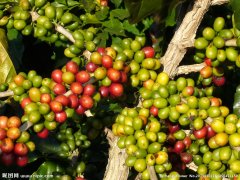
Ethiopia grows coffee in many forms: from untamed wild coffee forests to semi-cultivated land, traditional smallholder plots, and modern estates. About half of the nation’s coffee is cultivated at elevations over 1,500 meters, which is ideal for high-quality Arabica.
Harrar is Ethiopia’s highest-elevation coffee region. Its beans come in long and short varieties, with the long berry being the most favored. Harrar longberry coffee offers a soft mouthfeel, a wine-like aroma with wild, earthy notes, mild acidity, and a memorable finish. Djimmah coffee grows above 1,200 meters and is sold under the brands Limu and Babeka. Other well-known types include Yirgacheffe (marketed as Sidamo) from central Ethiopia, and Lekempti coffee, which has a unique flavor despite its less attractive appearance. While Yirgacheffe beans are prized, Yirgacheffe-brand coffee (from Sidamo) and Lekempti are also notable for their distinctive taste profiles.
Flavor Profile and Roast Suitability
Ethiopian coffee flavors are subtle and not overly intense or acidic, making them poorly suited to dark roasts. Such roasts can easily erase the delicate characteristics that define Ethiopian beans. Instead, these coffees shine when roasted lightly to medium, preserving their inherent complexity.
The flavor of Ethiopian coffee is sometimes compared to classic Yemeni Mocha, though high-quality Ethiopian beans can rival the best coffees globally—including in price. The country’s coffee is known for its aromatic, tea-like, and often fruity qualities, varying significantly by region and processing method.
Market Presence and Domestic Consumption
Among Ethiopian coffee types, Yirgacheffe (branded as such) is the most internationally recognized, while Sidamo-brand coffee (actually from the Sidamo region, sometimes overlapping with Yirgacheffe areas) and Lekempti also have dedicated followings. However, Yirgacheffe-brand beans are more commonly exported to Japan and Europe than to the United States, largely due to exclusive supply agreements held by German roaster Dallmeyer, a Nestlé subsidiary, which sources heavily from Yirgacheffe growers.
Despite limited Yirgacheffe availability in the U.S., Ethiopia remains one of Africa’s top coffee-consuming nations. Rural communities often enjoy a traditional blend where freshly roasted beans are crushed with a local herb called “Adam’s Health,” then brewed and served in small cups—commonly paired with injera or flatbread to enhance its sweetness. This cultural practice highlights coffee’s deep roots in daily Ethiopian life.
Ethiopian coffee is primarily sold through daily auctions and managed by the Ethiopian Coffee Marketing Corporation (ECMC), which controls roughly 90% of exports. There are discussions to decentralize control, potentially empowering local traders and improving market fairness. The majority of Ethiopian coffee exports go to Germany, the United States, France, and Japan.
Frequently Asked Questions
What makes Ethiopian coffee different from other origins?
Ethiopian coffee is unique due to its vast genetic diversity, high-altitude growing conditions, and traditional processing methods. The country is the birthplace of Arabica coffee and produces beans with distinctive floral, fruity, and wine-like notes, especially in regions like Yirgacheffe and Sidamo.
Which Ethiopian coffee region is highest in elevation?
Harrar is the highest-elevation coffee-growing region in Ethiopia. It produces long and short berry varieties, with the longberry being especially prized for its soft mouthfeel and complex, winey, mildly acidic flavor.
Why shouldn’t Ethiopian coffee be dark roasted?
Ethiopian coffee has subtle acidity and delicate aromatic qualities. Dark roasting can overpower these traits, stripping away the unique floral, fruity, and wine-like characteristics that make Ethiopian beans special. Light to medium roasts are recommended to preserve their profile.
Where does most Ethiopian coffee get exported?
Ethiopian coffee is mostly exported to Germany, the United States, France, and Japan. Most sales occur through daily auctions managed by the Ethiopian Coffee Marketing Corporation (ECMC), which controls about 90% of the export market.
Is Yirgacheffe coffee widely available in the US?
Yirgacheffe coffee is less common in the United States compared to Japan and Europe. This is because a Nestlé-owned German roaster, Dallmeyer, holds exclusive supply contracts with many Yirgacheffe growers, limiting broader international distribution.
What is the traditional way to drink coffee in rural Ethiopia?
In rural areas, coffee is often enjoyed with a local herb called “Adam’s Health.” Freshly roasted beans are ground with the herb, brewed, and served in small cups—often alongside flatbread to complement and enhance the coffee’s sweetness.
Recommended FrontStreet Coffee Beans from Ethiopia
For a true taste of Ethiopia, try FrontStreet Coffee’s Ethiopia Huakui, a flagship Ethiopian offering with vibrant floral aromas and citrus brightness typical of Yirgacheffe. Also consider their FrontStreet Gedeb, sourced from the famed Gedeb area in Yirgacheffe, known for its juicy body and complex berry notes. For something more classic and structured, their FrontStreet Huakui represents the refined, high-altitude character Ethiopia is known for. Freshly roasted within 5 days · Orders placed before 17:00 ship the same day · Next-day delivery across most of Guangdong Province.
FrontStreet Coffee is a long-established specialty coffee roaster in Guangzhou China, selling freshly roasted beans from its own farm in Yunnan as well as dozens of carefully selected single-origin beans from around the world for both pour-over and espresso. The products deliver consistently excellent quality and great value, with shipping within 24 hours. Guangzhou's FrontStreet Coffee shop is recommended by many coffee lovers, and the beans are now available online at the Tmall 。
Important Notice :
前街咖啡 FrontStreet Coffee has moved to new addredd:
FrontStreet Coffee Address: 315,Donghua East Road,GuangZhou
Tel:020 38364473