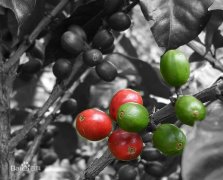
What Makes Kenyan Coffee Beans Unique?
When you sip a bright, juicy cup of coffee with distinct blackcurrant acidity and a wine-like sweetness, there’s a good chance it’s from Kenya. But what exactly makes Kenyan coffee so uniquely flavorful and consistently high in quality? For coffee enthusiasts seeking origin-driven complexity, Kenya offers a model of excellence rooted in terroir, variety, and processing tradition.
Kenyan coffee is known for its vibrant fruitiness, high acidity, and complex sweetness—qualities driven by altitude, selective harvesting, and meticulous washing. The best beans are graded AA or PB, with SL28 and SL34 varieties leading the flavor profile.
The Origins of Coffee in Kenya
Coffee arrived in Kenya in the 19th century through Ethiopian beans imported via South Yemen, but it wasn’t until the early 20th century that the Bourbon variety was introduced by the St. Austin Mission. This marked the beginning of Kenya’s coffee cultivation journey, setting the stage for what would become one of the world’s most respected coffee origins.
Where Kenyan Coffee Is Grown
Kenyan coffee is primarily cultivated at elevations between 1,500 and 2,100 meters above sea level. These high altitudes slow the maturation of coffee cherries, allowing for greater development of sugars and acids in the beans. The cool climate and rich volcanic soils contribute to the distinctive qualities that Kenyan coffee is known for globally.
Growing, Harvesting, and Processing
Most Kenyan coffee is grown by smallholder farmers who deliver their freshly picked cherries to cooperative washing stations. There, the beans are processed as parchment coffee—still encased in their inner husk—and sent to cooperatives for further handling. Farmers are paid based on the average quality of the pooled lot, a system that has proven fair and effective for both producers and buyers. To ensure only ripe cherries are harvested, pickers may pass through the same trees up to seven times during the harvest season.
Government Regulation and Quality Control
The Kenyan government takes coffee production seriously: it is illegal to cut down or destroy coffee trees. The Kenya Coffee Board (CBK) oversees the industry, purchasing all coffee for centralized grading and weekly auctions. Coffees are sorted into grades—not re-graded at auction—ranging from the highly sought-after PB (Peaberry), AA++, AA+, AA, down to AB. The top grades are prized for their bright acidity, winey tones, and intense sweetness. Peaberry beans, where a single round bean forms instead of two flat ones, are especially valued for their concentrated flavor.
The Role of Coffee Auctions
Auctions, held weekly in Nairobi, are designed to meet the needs of blenders and roasters. Lots typically range from 3 to 6 tons and include samples identified by grower, allowing buyers to assess flavor profiles before bidding. Exporters then package the coffee according to specific buyer requirements. This system provides flexibility and has attracted long-term buyers from Germany and Scandinavia, known for their emphasis on quality. While some importers, particularly Japanese traders, have criticized the system for perceived declines in quality, Kenya’s structured approach remains a benchmark for other producing countries.
Varieties and Processing: The SL28 and SL34 Legacy
Kenya’s most iconic coffee varieties are SL28 and SL34, both developed by the Scott Laboratories (SL) in the 1930s. These varieties were selected from 40 experimental types for their exceptional cup quality. SL28 delivers bold blackcurrant and citrus flavors with deep, vinous acidity, while SL34 offers bright fruitiness balanced with nutty and spicy notes. These cultivars thrive in Kenya’s high-phosphorus volcanic soils, countering the notion that only traditional varieties can produce excellence. The combination of these unique beans with Kenya’s meticulous washed processing—where cherries are pulped, fermented for 48 hours, washed to remove mucilage, and soaked in clean water for another 24 hours—results in a cup with intense fruit character and remarkable clarity.
The Global Impact and Production Trends
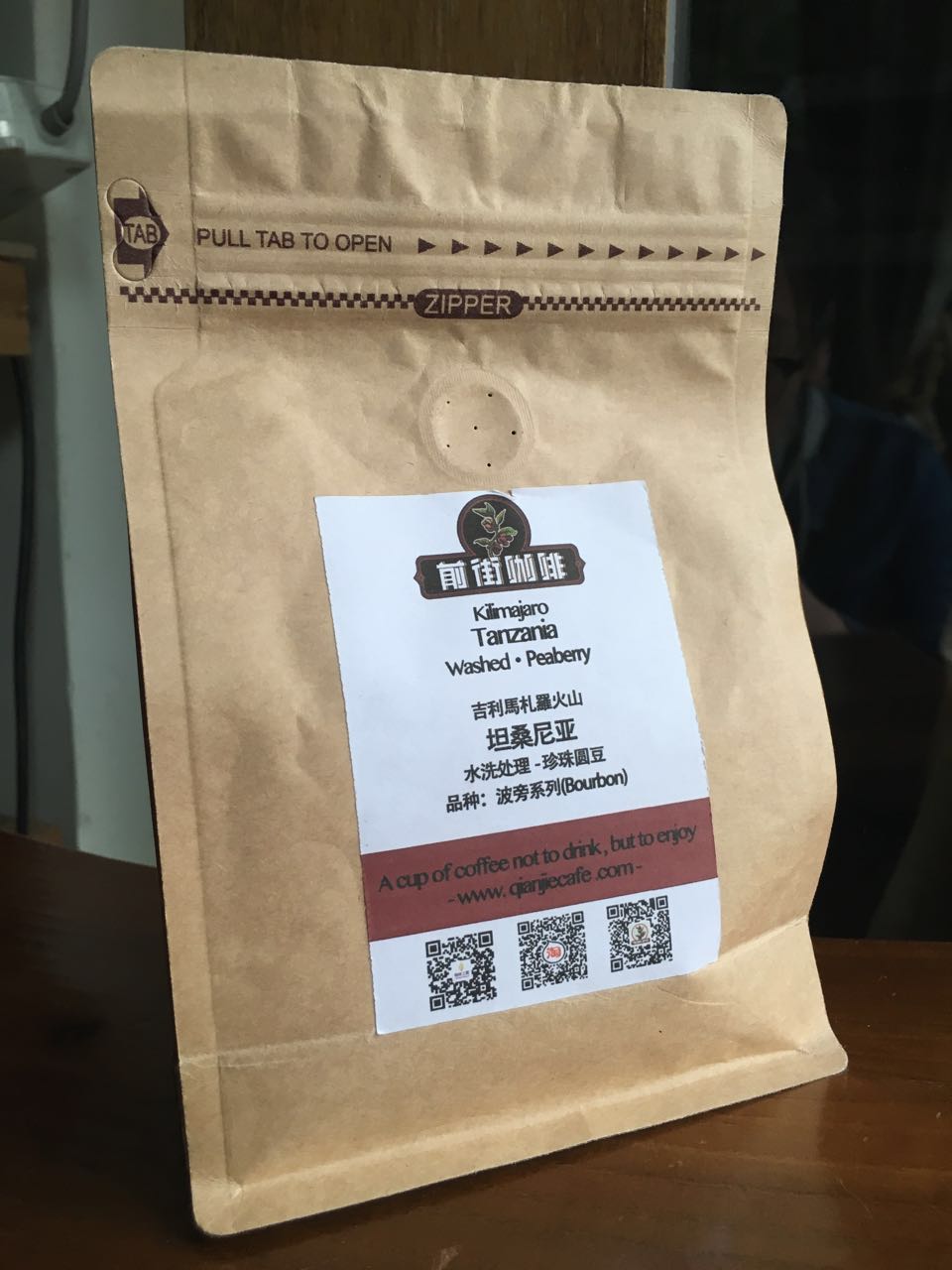
Kenya’s coffee exports have grown significantly since the late 1960s, from 800,000 bags in 1969–70 to 2 million in 1985–86. Today, production has stabilized at around 1.6 million bags annually, with average yields of 650 kg per hectare. Prices began rising sharply before the recent global spike, with a 50% increase between 1993 and 1994 driven by rising demand. Despite criticisms and market challenges, Kenya’s coffee remains a gold standard for quality assurance and origin traceability in the specialty sector.
Frequently Asked Questions
What makes Kenyan coffee beans different from others?
Kenyan coffee beans are distinct due to their high-altitude cultivation, selective hand-picking of ripe cherries, and the use of premium SL28 and SL34 varieties. These factors contribute to a profile of bright acidity, wine-like notes, deep fruitiness, and a sweet, lingering finish. The rigorous washing process and strict grading system also ensure high and consistent quality.
What are the main coffee growing regions in Kenya?
Kenya’s coffee is grown mainly in high-altitude regions between 1,500 and 2,100 meters, though specific regions like Mount Kenya, Nyeri, Kirinyaga, Embu, and Kiambu are especially renowned. These areas provide ideal conditions for slow cherry maturation and complex flavor development.
What does AA mean in Kenyan coffee grading?
In Kenya, “AA” is the highest grade of coffee bean, indicating larger bean size and typically superior cup quality. AA beans often come from the central highlands and are known for their bright acidity, full body, and complex fruity flavors. AA+ and AA++ grades are even more select, with finer cup profiles.
What is peaberry coffee in Kenya?
Peaberry (PB) coffee occurs when a coffee cherry produces a single, rounded bean instead of the usual two flat beans. Kenyan PB beans are highly prized for their concentrated flavor, often exhibiting intense sweetness and complexity. They are graded separately and considered among the best the country produces.
How is Kenyan coffee processed?
Kenyan coffee is typically processed using the washed (wet) method. Cherries are depulped, fermented for about 48 hours, washed to remove the mucilage, and then soaked in clean water for an additional 24 hours. This multi-step washing process enhances the coffee’s clarity, acidity, and fruit characteristics.
Who buys Kenyan coffee?
Kenyan coffee is purchased by some of the most discerning buyers worldwide, especially from Germany and Scandinavia. It is also traded through Nairobi’s weekly auctions, where exporters bid on graded lots. While some Japanese importers have expressed concerns, Kenya’s coffee remains highly sought after in the specialty market.
Recommended FrontStreet Coffee for Kenyan Flavor
For a true taste of Kenya, try FrontStreet Coffee’s Kenya Little Tomato. This single origin combines SL28 and SL34 beans with a double-washed process and medium-light roast, highlighting notes of cherry, pear, blackcurrant, yuzu, and brown sugar. It shines in pour-over, cold brew, or even ice drip, offering a juicy body and layered sweetness. Freshly roasted within 5 days · Orders placed before 17:00 ship the same day · Next-day delivery across most of Guangdong Province.
FrontStreet Coffee is a long-established specialty coffee roaster in Guangzhou China, selling freshly roasted beans from its own farm in Yunnan as well as dozens of carefully selected single-origin beans from around the world for both pour-over and espresso. The products deliver consistently excellent quality and great value, with shipping within 24 hours. Guangzhou's FrontStreet Coffee shop is recommended by many coffee lovers, and the beans are now available online at the Tmall 。
Important Notice :
前街咖啡 FrontStreet Coffee has moved to new addredd:
FrontStreet Coffee Address: 315,Donghua East Road,GuangZhou
Tel:020 38364473