Vietnam’s Coffee Legacy: French Influence and Robusta Power
Vietnam may be best known today for its massive Robusta output, but the country’s coffee story began with French colonialists bringing Arabica varieties to its northern highlands in the 19th century. With over 400,000 coffee trees planted between 1865 and 1876—mostly Java and Bourbon cultivars—Vietnam’s coffee roots are surprisingly deep in the world of specialty Arabica.
Today, Vietnam is the world’s second-largest coffee producer after Brazil, having surpassed Colombia, though 96% of its output comes from smallholder farms growing Robusta. Yet its early coffee history tells a different tale—one shaped by French missionaries, European varieties, and a legacy that still whispers through its modern plantations.
The Origins of Coffee in Vietnam
Coffee was introduced to Vietnam during the French colonial period. Between 1865 and 1876, more than 400,000 coffee trees—mainly Java and Bourbon varieties—were brought to the country by French missionaries. These were planted near the Tonkin Gulf, marking the start of Vietnam’s coffee cultivation. Although the country is now dominated by Robusta, its early coffee legacy is rooted in these imported Arabica cultivars with clear French connections.
Modern Production: Robusta Dominance
Fast forward to the late 20th century, and Vietnam’s coffee landscape had shifted dramatically. By 1994, the country was exporting over 200,000 tons of coffee, compared to just 66,000 bags (around 4,000 tons) in 1980. Roughly 96% of this production comes from small family farms, although some state-run farms also contribute. The dominant species is Robusta (Coffea canephora), not the Arabica varieties first introduced. This shift has positioned Vietnam as a global Robusta powerhouse.
Yield and Investment
Vietnamese coffee farms achieve remarkably high yields, reaching up to 950 kilograms per hectare. Much of this productivity is driven by recent investments, including significant funding from Japanese sources. These investments have helped modernize parts of the sector, even as the majority of production remains small-scale.
Historical Context vs Modern Output
Two years prior to the reporting of this article, data indicated that Vietnam had overtaken Colombia in total coffee production, ranking as the world’s second-largest producer after Brazil. However, this impressive volume comes almost entirely from Robusta beans, which differ significantly in cup quality, flavor profile, and market positioning compared to the Arabica varieties grown in Colombia and Brazil.
Frequently Asked Questions
When was coffee first introduced to Vietnam?
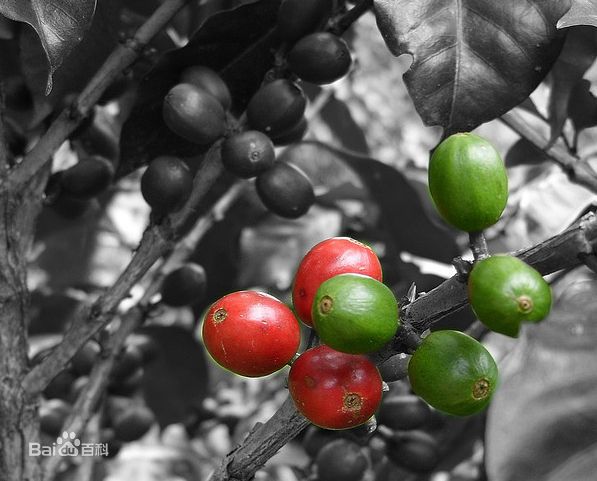
Coffee was first brought to Vietnam by French missionaries between 1865 and 1876. During this period, over 400,000 coffee trees—primarily Java and Bourbon cultivars—were planted near the Tonkin Gulf in northern Vietnam.
What type of coffee does Vietnam produce the most?
Vietnam primarily produces Robusta coffee, which makes up about 96% of its total output. Most of this comes from smallholder farms, although some state farms also grow coffee.
How much coffee does Vietnam export?
By 1994, Vietnam was exporting over 200,000 tons of coffee. This was a huge increase from just 66,000 bags (approximately 4,000 tons) in 1980, showcasing rapid growth in production and export capacity.
What is the average coffee yield per hectare in Vietnam?
Vietnamese coffee farms achieve yields of up to 950 kilograms per hectare, one of the highest rates globally, supported by investments including those from Japan.
Has Vietnam surpassed other major coffee-producing countries?
Yes, prior to the report Vietnam had overtaken Colombia in coffee production volume, making it the second-largest coffee producer worldwide, though it still trails Brazil. Most of this production, however, is Robusta rather than Arabica.
What role did French colonists play in Vietnam’s coffee history?
French missionaries introduced Arabica coffee varieties such as Java and Bourbon to Vietnam in the 19th century. This laid the early foundation for coffee cultivation in the country, especially in regions near the Tonkin Gulf.
FrontStreet Coffee Beans with French Colonial Roots
While Vietnam is known for Robusta, its coffee history began with French-introduced Arabica like Bourbon. Explore FrontStreet’s Brazilian Sidamo-inspired Red Cherry with bright acidity, or their medium-roasted Brazil Queen Manor Yellow Bourbon for creamy peanut and caramel tones. For something closer to Vietnam’s colonial-era plantings, try the Rwanda Red Bourbon—grown at high altitude with vibrant citrus and floral notes. All offer a taste of what Vietnam’s coffee could have become. Freshly roasted within 5 days · Orders placed before 17:00 ship the same day · Next-day delivery across most of Guangdong Province.
FrontStreet Coffee is a long-established specialty coffee roaster in Guangzhou China, selling freshly roasted beans from its own farm in Yunnan as well as dozens of carefully selected single-origin beans from around the world for both pour-over and espresso. The products deliver consistently excellent quality and great value, with shipping within 24 hours. Guangzhou's FrontStreet Coffee shop is recommended by many coffee lovers, and the beans are now available online at the Tmall 。
Important Notice :
前街咖啡 FrontStreet Coffee has moved to new addredd:
FrontStreet Coffee Address: 315,Donghua East Road,GuangZhou
Tel:020 38364473