How Water Quality and Temperature Affect Coffee Extraction
If your coffee often tastes off—whether dull, overly bitter, or just weak—you’re likely dealing with one (or more) of the key variables that control extraction: water quality, temperature, grind size, dose, and brew time. These factors combine to determine whether your cup is balanced, flavorful, or disappointing. Many home brewers overlook the basics, especially when it comes to something as seemingly simple as water.
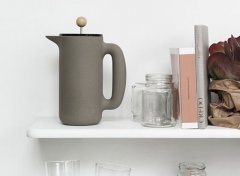
The quick answer? For most manual brewers like a French press, aim for 92°C (197°F) water, a 9–12g coffee dose, 150–180ml water, a medium-fine grind (like coarse sugar), and a 3–4 minute brew time. That’s a solid baseline for balanced extraction.
Why Water Quality Matters More Than You Think
In northern China, tap water tends to be highly alkaline with a high mineral (especially calcium carbonate) content—what many call "hard water" or "water with heavy scale." Basic water filters or softeners often don’t fix the issue effectively, and high-end systems can be expensive. The simplest and most reliable solution? Use purified water. It removes excessive minerals that can alter extraction and flavor, giving you a cleaner, more consistent brew without needing expensive filtration setups.
The Role of Water Temperature in Coffee Flavor
Temperature plays a critical role in how coffee compounds dissolve during brewing. Around 92°C (197°F) is ideal for most coffee—hot enough to extract the desirable flavors but not so hot that it burns the grounds, leading to bitterness and a scorched taste. In summer, if you boil water and then let it sit with the lid off for a minute after stirring, it will typically cool to around 92°C. If the water is too hot, your coffee will over-extract and taste harsh; too cool, and it will under-extract, leaving you with a weak, sour cup.
Adjusting for Lower Temperatures: The Kettle and French Press Workaround
If you’re using a kettle or water dispenser that doesn’t reach 90°C, your extraction will suffer. At lower temperatures, even with the same grind size and brew time, coffee will turn out under-extracted and weak. To compensate, you’ll need to extend the contact time between water and coffee. For example, if you’re brewing with a French press and your water is cooler than 90°C, increase the steeping time to at least 5 minutes. Don’t just rely on the same short brew time you’d use with hotter water—it won’t deliver balanced flavor.
Brewing Parameters That Actually Work
Here’s a tested formula that many find produces a well-balanced cup when using a French press or similar immersion brewer:
- Coffee dose: 9–12g (about the volume of 9–12g of coarse sugar)
- Water volume: 150–180ml
- Grind size: Medium-fine (similar to coarse sugar)
- Water temperature: Around 92°C (197°F)
- Brew time: 3–4 minutes immersion, then slowly press the filter down
This setup helps achieve a coffee that’s neither overly sharp nor disappointingly light. But remember: these numbers are a starting point. Taste should always be your guide.
How Grind Size, Dose, and Time All Interact
All these variables are interconnected. A finer grind, higher dose, hotter water, and longer brew time will all increase extraction—resulting in a stronger, heavier-bodied cup. But if you push all these factors to the max at once, you risk over-extraction and an unpleasantly intense, muddy flavor. Conversely, using all low-extraction settings—coarse grind, low dose, cold water, and short brew time—will lead to a thin, underdeveloped cup. The trick is balance: adjust one variable at a time and observe the impact on flavor.
Don’t Rely Solely on Numbers—Taste Is the Best Guide
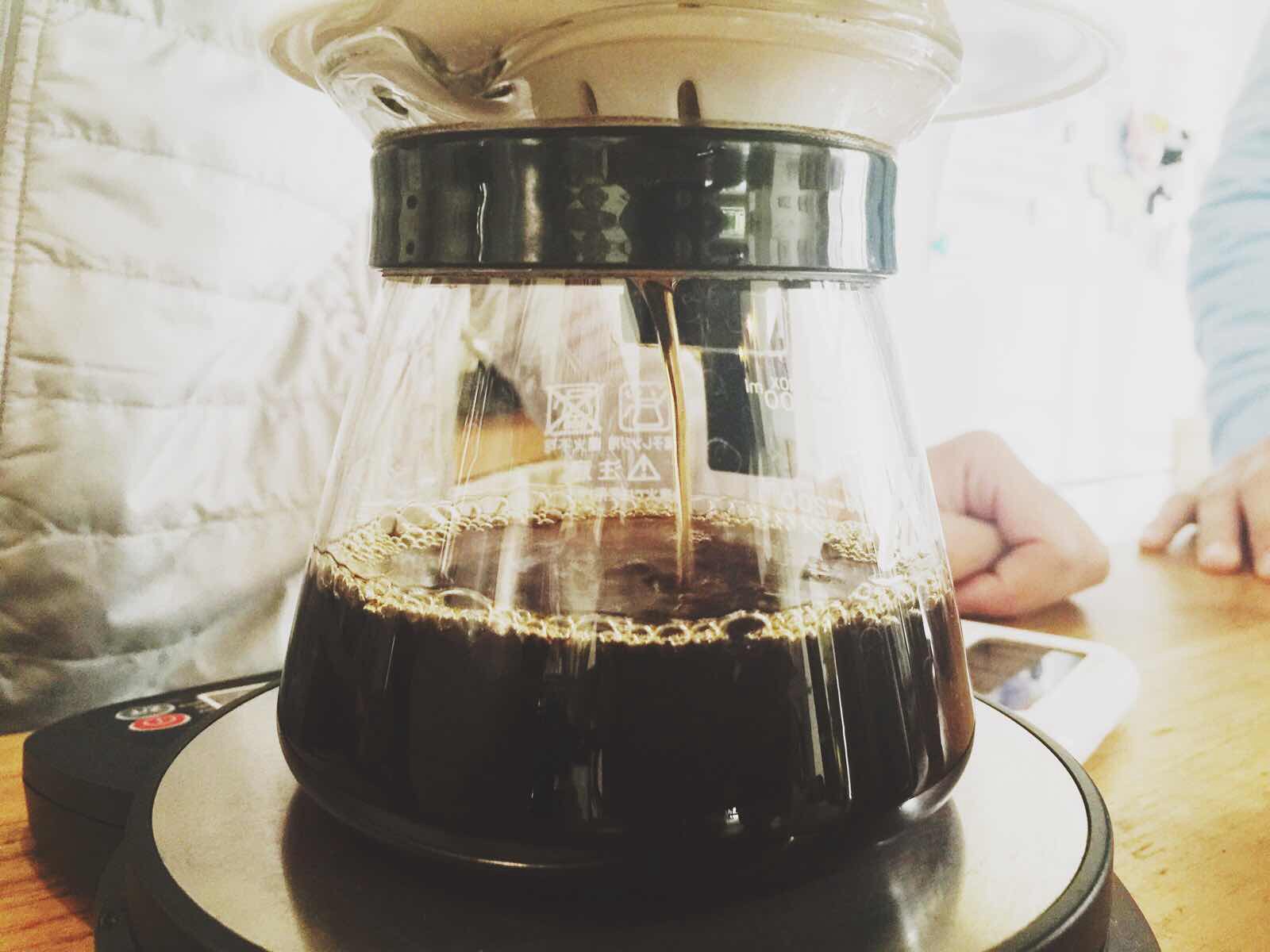
It’s tempting to treat brewing like a chemistry equation, but coffee is ultimately about sensory experience. While data like brew ratios, temperatures, and timings provide useful guidance, they’re not absolute. Every coffee is different, and personal taste varies. Even if assessing flavor feels challenging at first, training your palate is the most direct way to improve your brewing. Trust your taste buds—they’ll tell you more than any timer or scale.
Frequently Asked Questions
What water temperature is best for brewing coffee?
The ideal water temperature for most coffee brewing methods is around 92°C (197°F). This temperature extracts the desirable flavors without scorching the grounds. Water that’s too hot leads to bitter, over-extracted coffee, while water that’s too cool results in weak, under-extracted coffee.
Can I use my kettle’s boiling water for coffee?
Boiling water is typically around 100°C (212°F), which is too hot for brewing coffee. To lower it, boil the water, remove from heat, leave the lid off, and let it rest for about a minute. Optionally, stir with a long spoon and wait another minute—it should cool to roughly 92°C, the optimal brewing temperature.
What if my water is hard or has a strong taste?
If your tap water is alkaline or “hard” with high mineral content (common in northern China), it can negatively affect coffee flavor and extraction. Basic filters may not help enough. The most practical solution is to use purified water, which gives a cleaner, more consistent extraction without requiring expensive filtration systems.
How does grind size affect coffee flavor?
Grind size influences how quickly flavors are extracted. A finer grind increases surface area, speeding up extraction, while a coarser grind slows it down. For French press, a medium-fine grind (like coarse sugar) works well. Adjust grind size based on your brew time, dose, and water temperature to balance extraction.
Do I need to adjust brew time if my water is cooler?
Yes. If your water temperature is below 90°C, you should extend the brew time to ensure proper extraction. For a French press, if using cooler water, aim for at least 5 minutes of steeping instead of the usual 3–4 minutes. Under-extracted coffee tastes weak and sour, so longer contact time helps compensate.
Why does my coffee taste weak or bitter?
Weak coffee is usually under-extracted—caused by low water temperature, coarse grind, short brew time, or low coffee dose. Bitter coffee is typically over-extracted—due to high temperature, fine grind, long brew time, or excessive dose. Adjusting one or more of these variables can help you achieve a balanced cup.
Recommended FrontStreet Beans for Immersion Brewing
For French press or similar immersion brewing, try FrontStreet Coffee’s Brazil Queen Manor—medium roast with notes of creamy peanut, chocolate, and caramelized bread. Also consider Strawberry Candy Espresso, a fruit-forward medium roast blend with citrus, honey, and round sweetness from Costa Rica and Panama. For a softer, balanced profile, the 2013 Sun-Dried Yunnan Typica offers notes of almond, brown sugar, black tea, and dried apricot. All work well with a medium-fine grind, 92°C water, and a 3–4 minute brew. Freshly roasted within 5 days · Orders placed before 17:00 ship the same day · Next-day delivery across most of Guangdong Province.
FrontStreet Coffee is a long-established specialty coffee roaster in Guangzhou China, selling freshly roasted beans from its own farm in Yunnan as well as dozens of carefully selected single-origin beans from around the world for both pour-over and espresso. The products deliver consistently excellent quality and great value, with shipping within 24 hours. Guangzhou's FrontStreet Coffee shop is recommended by many coffee lovers, and the beans are now available online at the Tmall 。
Important Notice :
前街咖啡 FrontStreet Coffee has moved to new addredd:
FrontStreet Coffee Address: 315,Donghua East Road,GuangZhou
Tel:020 38364473