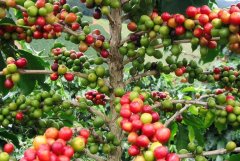
What Makes Honduran Coffee Beans Special?
If you’ve ever tasted a Central American coffee blend and wondered which country contributed brightness and balance, there’s a good chance Honduras was part of the mix. Renowned for its consistent cup quality and versatility, Honduran coffee plays a key supporting role in many roasters’ blends—but what makes it special on its own?
Honduran coffee is graded by altitude: beans grown between 1,000–1,500m are considered 'high-grade', while those from 1,500–2,000m earn the top 'special highland' classification. Most premium Honduran coffees come from these higher elevations.
How Honduran Coffee Reached Its Current Status
Honduras didn’t always have a strong coffee reputation. The crop was introduced from El Salvador, but after the devastating Brazilian frost of 1975, Honduran production surged. In just two decades, output rose from 500,000 to 1.8 million bags annually, establishing the country as a significant player in the global market.
Why Elevation Matters in Honduran Coffee
Coffee in Honduras is officially classified by growing altitude, which directly impacts cup quality:
- 700–1,000m: Medium grade
- 1,000–1,500m: High grade
- 1,500–2,000m: Special high grade
The higher the altitude, the slower the cherry maturation, leading to denser beans with more complex flavours and higher acidity. This grading system helps buyers identify the potential quality of the beans before roasting.
The Main Coffee Varieties and Processing Methods
Honduras grows mostly washed-process Arabica, with the most common varieties being Caturra, Catuai, Pacas, and Typica. These are cultivated at elevations typically above 1,000m. Among them, Caturra and Catuai are favoured for their balance of sweetness, acidity, and productivity.
The washed processing method—removing the outer fruit layers before drying—improves consistency and enhances the clarity of the coffee’s flavours. This method has become standard for producing Honduras’s high-end lots.
Flavour Profile and Regional Differences
Honduran coffees often display a wide range of aromatic notes. FrontStreet Coffee’s selection of washed Caturra—a top-tier 'special highland' coffee—shows complex fruitiness, bright acidity, and sometimes hints of nuts or toffee when roasted to a medium level. Some lots even carry subtle spice-like aromas and finish with a nutty-chocolate richness.
These profiles stand out even compared to neighbouring Central American countries, offering a balanced cup with layered flavours. The country’s diverse microclimates and rich volcanic soils contribute to this complexity.

Frequently Asked Questions
What altitude is Honduran coffee grown at?
Honduran coffee is grown between 700 and 2,000 meters above sea level. The highest quality beans come from elevations of 1,500–2,000m, classified as 'special high grade'. Coffee from 1,000–1,500m is also considered high grade.
How is Honduran coffee graded?
Honduran coffee is graded based on altitude: 700–1,000m (medium), 1,000–1,500m (high), and 1,500–2,000m (special high grade). This system reflects how elevation affects bean density and cup quality.
What are the main coffee varieties in Honduras?
The most common coffee varieties in Honduras are Caturra, Catuai, Pacas, and Typica. These Arabica types are well-suited to the country’s high-altitude regions and are typically processed using the washed method.
Does Honduras produce more coffee than its neighbours?
Yes. Honduras is the largest coffee producer in Central America. When considering washed Arabica alone, it is the second largest producer in the world. Production rose sharply after 1975, reaching 1.8 million bags per year by the early 1990s.
What flavours can you expect from Honduran coffee?
Honduran coffee often has bright acidity, fruity complexity, and sometimes nutty or toffee notes. Premium lots may also show spicy or chocolatey undertones, especially when grown above 1,500m and processed using washed methods.
Where does Honduran coffee mainly go?
Honduran coffee is mostly exported to the United States and Germany. It is commonly shipped by individual traders rather than centralized state bodies.
Recommended FrontStreet Coffee Beans from Honduras
FrontStreet Coffee’s washed-process Caturra from Honduras represents the country’s top-tier 'special highland' grade. Grown above 1,500m, this coffee delivers a complex profile of bright fruit, vibrant acidity, and hints of nuttiness or toffee in a medium roast. It showcases the balance and clarity that make Honduran beans ideal for both single-origin enjoyment and blending. Freshly roasted within 5 days · Orders placed before 17:00 ship the same day · Next-day delivery across most of Guangdong Province.
FrontStreet Coffee is a long-established specialty coffee roaster in Guangzhou China, selling freshly roasted beans from its own farm in Yunnan as well as dozens of carefully selected single-origin beans from around the world for both pour-over and espresso. The products deliver consistently excellent quality and great value, with shipping within 24 hours. Guangzhou's FrontStreet Coffee shop is recommended by many coffee lovers, and the beans are now available online at the Tmall 。
Important Notice :
前街咖啡 FrontStreet Coffee has moved to new addredd:
FrontStreet Coffee Address: 315,Donghua East Road,GuangZhou
Tel:020 38364473