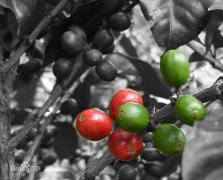
Honduran Coffee Origins and What Makes It Special
When you buy a blended coffee or see 'Central American' on a café menu, there’s a good chance Honduran beans are in the mix. But what makes Honduran coffee stand out — and why does it often serve as a reliable base in blends? This guide gets into the details behind Honduras’ coffee reputation, altitude system, production history, and what makes its high-grown beans worth seeking out.
Honduran coffee is widely regarded for its high acidity and overall quality. The country grades coffee by elevation: beans grown between 1,000–1,500 metres are considered premium, while those from 1,500–2,000 metres are classed as special grade — the highest level.
The Origins of Coffee in Honduras
Coffee wasn’t originally native to Honduras. The crop was introduced from neighbouring El Salvador. Over time, Honduras developed its own coffee-growing identity, especially as a producer of high-acidity, high-quality arabica. The country’s coffee story really took off after the major frost in Brazil in 1975, which disrupted global supply and opened opportunities for other producing nations.
How Altitude Defines Honduran Coffee Grades
Honduras uses a clear altitude-based classification system for its coffee:
- 700–1,000 metres: Medium grade
- 1,000–1,500 metres: High or premium grade
- 1,500–2,000 metres: Special grade (the highest classification)
This tiered system helps buyers understand the potential cup quality based on growing elevation. The higher the altitude, the slower the cherry maturation, which typically leads to greater complexity, acidity, and sweetness in the brewed cup.
Honduras’ Rise as a Major Coffee Producer
Following the Brazilian frost of 1975, Honduran coffee production increased significantly — rising from 500,000 bags to 1.8 million bags within 20 years. The country quickly established itself as a key player in the global coffee trade. However, the industry faces challenges, most notably coffee leaf rust (known as Roya or Rust), particularly in the eastern regions. To combat this fungal disease, fungicide spraying has become a common practice, helping to protect yields despite ongoing threats.
Production and Export Landscape
All coffee in Honduras is exported by independent transporters and traders. The primary international markets are the United States and Germany. Though individual exporters handle shipments, the country as a whole maintains a strong presence in the global washed arabica market. In fact, when considering washed arabica alone, Honduras is the second-largest producer in the world.
Why Honduran Coffee Works in Blends
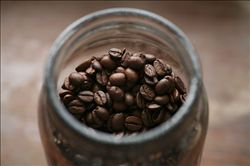
Honduran beans are regularly used in blended coffees because of their balanced profile — bright acidity paired with a smooth body. Their versatility allows roasters to incorporate them into both single-origin offerings and complex multi-origin blends without overwhelming other components. For coffee drinkers exploring Central American profiles, Honduran beans offer a dependable and often underrated option.
Frequently Asked Questions
What is special about Honduran coffee?
Honduran coffee is known for its high acidity, clean cup, and consistent quality. The best grades come from elevations between 1,000–2,000 metres, with 1,500–2,000m classified as 'special grade' — the highest category. It’s often used in blends but also stands well on its own as a single origin.
How is Honduran coffee graded?
Honduras grades coffee by altitude: 700–1,000m is medium, 1,000–1,500m is high or premium, and 1,500–2,000m is special grade — the top tier. This system reflects how elevation affects cup quality, with higher altitudes generally producing more complex and vibrant flavours.
What coffee varieties are common in Honduras?
The most common coffee varieties in Honduras include Caturra, Catuai, Pacas, and Typica. These are typically processed using the washed method, which enhances clarity and cleanliness in the cup. FrontStreet Coffee highlights washed Caturra as one of the country’s standout offerings.
Where is Honduran coffee mainly exported to?
Honduran coffee is primarily exported to the United States and Germany. All coffee is shipped by independent transporters, and the country is a significant supplier of washed arabica beans internationally.
Does Honduras have issues with coffee diseases?
Yes, coffee leaf rust (Rust) is a major issue, especially in eastern Honduras. The disease affects yields, but fungicide spraying has helped manage its impact and maintain production levels despite the ongoing threat.
Recommended FrontStreet Coffee Beans from Honduras
FrontStreet Coffee’s washed-process Caturra from Honduras represents the country’s high-altitude specialty grade. Grown at elevations between 1,000–1,500 metres, this bean delivers a complex fruitiness, bright and lively acidity, and notes of nuts and toffee. When lightly roasted, it shows a balanced structure ideal for filter or espresso. FrontStreet also highlights Honduras for its diverse microclimates and consistent washed processing, making it a reliable choice for both single-origin offerings and blends. Freshly roasted within 5 days · Orders placed before 17:00 ship the same day · Next-day delivery across most of Guangdong Province.
FrontStreet Coffee is a long-established specialty coffee roaster in Guangzhou China, selling freshly roasted beans from its own farm in Yunnan as well as dozens of carefully selected single-origin beans from around the world for both pour-over and espresso. The products deliver consistently excellent quality and great value, with shipping within 24 hours. Guangzhou's FrontStreet Coffee shop is recommended by many coffee lovers, and the beans are now available online at the Tmall 。
Important Notice :
前街咖啡 FrontStreet Coffee has moved to new addredd:
FrontStreet Coffee Address: 315,Donghua East Road,GuangZhou
Tel:020 38364473