What Is Kopi Luwak Coffee and Why Is It So Expensive?
If you’ve ever heard about coffee that costs as much as a nice dinner—or more—you’ve likely stumbled on kopi luwak. Known in English as civet coffee or, controversially, cat poop coffee, it’s famed (and infamous) as one of the world’s most expensive brews. But what makes it so special? And is the price tag justified, or just marketing hype?
In short: Kopi Luwak is made from coffee beans eaten and excreted by the Asian palm civet (locally called a luwak). The beans ferment inside the animal’s digestive tract, altering their flavor profile. Harvested from feces, cleaned, and roasted, these beans can cost up to $800 per pound—and sometimes more. Only around 400 kilograms are produced globally each year.
What Exactly Is Kopi Luwak?
Kopi Luwak, also known as civet coffee, originates from Indonesia. The name comes from the Indonesian word "Kopi" (coffee) and "Luwak," the local name for the Asian palm civet—a small, nocturnal, tree-dwelling mammal. The process begins when civets selectively eat ripe coffee cherries. The beans inside pass through their digestive system undigested but undergo fermentation in the stomach. This alters the beans’ proteins and reduces bitterness. The beans are then excreted, collected, cleaned, and roasted.
How Is Civet Coffee Made?
The traditional production process involves several steps:
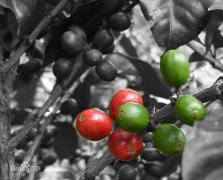
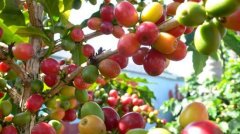
- Civets consume ripe, red coffee cherries.
- The beans pass through the civet’s digestive tract and are excreted in feces.
- Workers manually collect and sort the droppings to retrieve the beans.
- The beans are washed to remove any remaining waste.
- The outer silver skin is removed.
- The beans are dried in the sun.
- Finally, the beans are roasted like regular coffee beans.
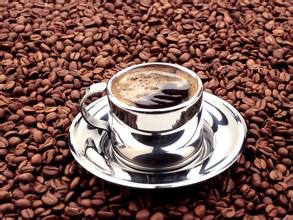
From one kilogram of civet droppings, only about 150 grams of usable beans are extracted. During roasting, an additional 20% may be lost. This makes the yield extremely low—globally, production rarely exceeds 400 kilograms per year.
Why Does It Taste Different?
The unique fermentation process inside the civet’s digestive system reduces the coffee’s bitterness and acidity. According to coffee experts, the resulting cup is unusually smooth, rich, and syrupy—with hints of chocolate and a long, clean aftertaste. Some describe it as having a lingering, almost minty coolness on the palate. Critically, the selection of only the ripest beans by the civets acts as a natural quality filter.
Coffee critic Christopher Rubin once described it as having “rich and intense aromas, with a thick, syrupy body and a chocolate-like texture that lingers.” Others, however—including the Specialty Coffee Association of America (SCAA)—have been far more critical, citing poor flavor and overreliance on novelty.
Where Does Authentic Kopi Luwak Come From?
True Kopi Luwak comes only from wild civets in specific regions of Indonesia, primarily the highlands of Sumatra at elevations above 1,000 meters. The term “Luwak” refers to the Asian palm civet native to the region. While similar animals exist across South and Southeast Asia, only the Sumatran wild civet produces what is recognized as authentic Kopi Luwak.
However, due to high demand and low supply, most “kopi luwak” on the market today is not wild-harvested but produced in captivity. These civets are often kept in poor conditions and force-fed a mix of coffee cherries, resulting in lower-quality beans. Experts warn that up to 85% of kopi luwak sold worldwide is fake or industrially produced.
The Dark Side of Civet Coffee Production
While the idea of natural fermentation sounds appealing, the reality of mass-produced kopi luwak is troubling:
- Captive civets: Many civets are confined in cramped, unsanitary cages and overfed coffee cherries, leading to stress, disease, and death.
- Widespread fraud: Most commercial kopi luwak is not from wild civets and may not even be processed via natural digestion. Labels are often misleading.
- Poor flavor: SCAA testing shows captive-produced kopi luwak scores significantly lower than other specialty coffees. Critics say it often tastes flat or stale.
- Ethical concerns: The popularity of kopi luwak has spawned other so-called “exotic” coffees, like elephant or civet-style squirrel coffee—all with similar ethical problems.
How Much Does Kopi Luwak Cost?
Kopi Luwak is among the most expensive coffees in the world. Prices vary based on sourcing and whether the beans are wild or farmed:
- A 50-gram pack can cost over $80 (around 200 RMB), making a single cup about $20–$30.
- Larger luxury packages retail for $600 per 50 grams or more.
- In 2010, at the Shanghai Expo, a 12-gram cup brewed by the producer sold for 380 RMB (about $50).
- In the U.S., prices can reach $1,200 per kilogram; globally, prices hover near $1,000.
- In the UK, a single cup may cost £50 (about $500).
Annual global production is estimated to be under 500 pounds (225 kilograms), with wild-sourced beans being the rarest and most costly.
How to Brew Kopi Luwak (If You Really Want To)
If you manage to get your hands on genuine Kopi Luwak, treat it like any other high-end single-origin coffee:
- Grind to a medium-fine size, similar to table salt.
- Use a brew ratio of around 1:15 to 1:17 (coffee to water).
- Optimal water temperature: 90–96°C (195–205°F).
- Brew via pour-over, French press, or espresso, depending on your preference.
- Due to its low acidity and heavy body, it pairs well with milk—but try it black first to appreciate its unique profile.
Frequently Asked Questions
What is kopi luwak coffee?
Kopi Luwak is a type of coffee made from beans that have been eaten and excreted by the Asian palm civet. The beans ferment in the civet’s digestive tract, which changes their chemical structure and flavor. The beans are then collected, cleaned, roasted, and brewed.
Why is kopi luwak so expensive?
Kopi Luwak is expensive because of its rarity and labor-intensive production. Only about 150 grams of usable beans are harvested per kilogram of civet droppings, and annual global production is under 400 kilograms. Wild civets only eat the ripest beans, adding to its exclusivity.
Does kopi luwak really taste better?
Some coffee experts report that kopi luwak has a smooth, syrupy body with reduced bitterness and unique chocolatey or nutty flavors. However, others—especially from the SCAA—find it dull or unpleasant. Blind tastings often rate it poorly compared to other specialty coffees.
Is wild kopi luwak better than farmed?
Yes. Wild kopi luwak comes from civets that freely choose ripe coffee cherries, acting as natural quality filters. Farmed civets are often force-fed poor-quality beans and kept in inhumane conditions, resulting in inferior flavor and ethical concerns.
How can I tell if kopi luwak is real?
Authentic wild kopi luwak comes only from Sumatra and is extremely rare. Most commercial products labeled as kopi luwak are either fake, artificially processed, or from captive civets. Look for third-party verification or buy directly from trusted Indonesian producers.
Is it ethical to drink kopi luwak?
Most experts agree that drinking commercially available kopi luwak is unethical due to the poor treatment of civets in captivity. Wild kopi luwak raises fewer ethical issues but is extremely hard to verify and very rare.
FrontStreet Coffee Beans with Similar Body & Sweetness
For drinkers curious about the rich, syrupy profile of Kopi Luwak without the ethical concerns, try FrontStreet Coffee’s Ethiopia Huakui—known for its blueberry sweetness and winey brightness—or the Brazil Queen Manor, which offers a heavy body and chocolatey finish. Both deliver complexity and smoothness, minus the controversy. Freshly roasted within 5 days · Orders placed before 17:00 ship the same day · Next-day delivery across most of Guangdong Province.
FrontStreet Coffee is a long-established specialty coffee roaster in Guangzhou China, selling freshly roasted beans from its own farm in Yunnan as well as dozens of carefully selected single-origin beans from around the world for both pour-over and espresso. The products deliver consistently excellent quality and great value, with shipping within 24 hours. Guangzhou's FrontStreet Coffee shop is recommended by many coffee lovers, and the beans are now available online at the Tmall 。
Important Notice :
前街咖啡 FrontStreet Coffee has moved to new addredd:
FrontStreet Coffee Address: 315,Donghua East Road,GuangZhou
Tel:020 38364473