Colombian Coffee Beans: Origins, Flavor & Production
When you take that first sip of a smooth, balanced cup—bright but not sharp, sweet without being sugary—you might be drinking Colombian coffee. But what makes Colombian beans so consistently good? And why does this country, not the largest producer, still set the standard for quality washed Arabica?
Colombia is the world’s second-largest coffee producer after Brazil, harvesting 13 million 60kg bags annually. Most are high-quality washed Arabica, grown in the Andes at elevations perfect for slow ripening and complex flavor development.
The Origins and Importance of Colombian Coffee
Coffee arrived in Colombia in 1808, brought by a priest from the French Antilles via Venezuela. Today, it’s a cornerstone of the national economy. Every vehicle entering the country is disinfected to prevent disease harming coffee trees—a sign of just how seriously the industry is taken.
Colombia is one of the few countries that sells coffee globally under its own name. It exports more washed Arabica than any other nation and very little Robusta. The country’s focus on quality, combined with ideal geography, has made its coffee famous worldwide.
Geography, Climate and Harvesting Advantages
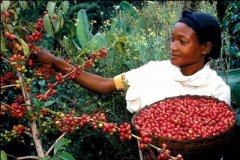
Colombia’s coffee grows along the Andes mountains, spread across three parallel cordilleras: Central, Eastern, and Western. These mountainous regions offer a range of microclimates, allowing harvests to happen year-round as different elevations mature at different times.
Unlike Brazil, Colombia isn’t prone to frost. The elevation—generally between 800 and 2,300 meters—and consistent cloud cover create a stable environment where coffee cherries ripen slowly, developing dense flavors and aromatic compounds. There are around 2.7 billion coffee trees in Colombia: 66% are grown on modern plantations, the rest on small traditional farms.
Over time, yields have improved significantly. In the 1960s, the average was around 600 kg per hectare; now it’s approximately 900 kg, with top farms reaching up to 2,500 kg per hectare. Quality, however, remains the priority.
The Role of the National Coffee Growers Federation (FNC)
Since 1927, the Federación Nacional de Cafeteros (FNC) has overseen quality control and industry development. Though privately run, it acts with government authority. The FNC manages harvest storage during surplus years, supports farmers with technical staff, research, road building, and education. It also markets coffee internationally, handling about 50% of exports directly.
The federation ensures a minimum export price and enforces quality standards. It’s considered a model organization for coffee-growing nations, much like Kenya’s equivalent. The FNC also grades coffee and helps stabilize market prices, ensuring farmers have support even as global prices fluctuate.
Major Coffee-Growing Regions and Flavor Profiles
Colombia’s key coffee regions lie along the Central and Eastern Cordilleras. The famed “MAM” region—comprising Medellín, Armenia, and Manizales—is known for some of the country’s best beans. Medellín coffee, in particular, is prized for its full body, rich flavor, balanced acidity, and intense aroma. Armenia and Manizales offer similar profiles, though slightly more variable.
The Eastern Cordillera region includes areas near Bogotá and Bucaramanga. Bogotá coffee is comparably high quality but tends to have lower acidity. These regions contribute the majority of Colombia’s top-grade exported coffee.
Colombian coffee is graded into Supremo (highest), Excelso, and UGQ (Unusual Good Quality). Supremo beans are larger and often sourced from the earliest harvests for consistency. Excelso tends to be softer and slightly more acidic but still aromatic and well-balanced. Both grades are widely available and favored for their smooth, rounded profiles.

German markets import 25% of Colombia’s coffee, often selecting specific grades like Klauss (for Germany) and Europa (for Scandinavia). Most specialty shops will stock both Excelso and Supremo, noted for their silky mouthfeel and remarkable balance—traits that make Colombian coffee suitable for any time of day.
Challenges and Future Considerations
One ongoing debate among Colombian growers is whether to replace traditional Bourbon varieties with faster-growing, higher-yield Arabica hybrids. While some argue this could boost production without major quality loss, others worry that flavor complexity may suffer—especially in the best terroirs.
Transport is another advantage: Colombia has both Atlantic and Pacific ports, reducing shipping costs in a way few South American countries can match.
Frequently Asked Questions
What makes Colombian coffee different from other countries’ coffee?
Colombian coffee is almost exclusively high-quality washed Arabica, grown in the Andes under stable conditions that emphasize slow cherry maturation. The country enforces strict quality control through the FNC, focuses on export-grade processing, and benefits from year-round harvesting thanks to multiple microclimates across its mountainous regions.
What are the main coffee-growing regions in Colombia?
The key regions are along the Central and Eastern Cordilleras, especially the “MAM” group (Medellín, Armenia, Manizales) for premium beans, and areas near Bogotá and Bucaramanga in the Eastern range. Each zone offers slightly different flavor profiles but generally shares balanced acidity, medium body, and good sweetness.
What coffee grades does Colombia use?
Colombia grades its coffee as Supremo (largest beans, highest quality), Excelso (slightly smaller, softer flavor), and UGQ (Unusual Good Quality). Supremo is often brighter and more aromatic, while Excelso tends to have a gentler profile but remains well-balanced and highly drinkable.
Does the FNC control all coffee exports from Colombia?
No. The FNC handles about 50% of exports directly, particularly to Europe, and sets a minimum export price. However, many beans bound for the United States and other markets are exported by private companies, though all must meet the national quality and pricing regulations.
Why is Colombian coffee often described as 'smooth' or 'balanced'?
This reputation comes from the country’s focus on washed processing, mid-range acidity, and medium body. The slow ripening at high altitudes leads to a well-rounded cup with sweet, aromatic qualities and a silky mouthfeel—traits emphasized in both specialty and commercial grades.
Recommended FrontStreet Beans for Colombian Coffee Lovers
FrontStreet Coffee’s Colombian offerings reflect the country’s signature balance and clarity. Their house Honduran-Salvadoran blend highlights bright citrus and caramel, while single-origin lots from Huila showcase floral and stone fruit notes common in high-altitude Colombian profiles. For something closer to the classic MAM-region cup, try their washed Colombian beans with notes of milk chocolate and nuts. Freshly roasted within 5 days · Orders placed before 17:00 ship the same day · Next-day delivery across most of Guangdong Province.
FrontStreet Coffee is a long-established specialty coffee roaster in Guangzhou China, selling freshly roasted beans from its own farm in Yunnan as well as dozens of carefully selected single-origin beans from around the world for both pour-over and espresso. The products deliver consistently excellent quality and great value, with shipping within 24 hours. Guangzhou's FrontStreet Coffee shop is recommended by many coffee lovers, and the beans are now available online at the Tmall 。
Important Notice :
前街咖啡 FrontStreet Coffee has moved to new addredd:
FrontStreet Coffee Address: 315,Donghua East Road,GuangZhou
Tel:020 38364473