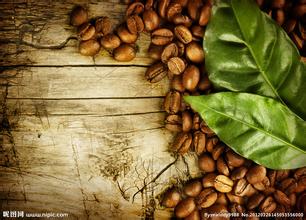
How Kenya Produces Its Famous Specialty Coffee Beans
Ever wondered how Kenya consistently produces some of the world’s most sought-after specialty coffee? With a government that bans the destruction of coffee trees and a tightly controlled supply chain, Kenya has built one of Africa’s most resilient and prestigious coffee industries. But what really sets it apart?
Kenya is home to some of the most rigorously regulated and high-quality coffee production systems globally, with over 160,000 metric tons (approx. 2.8 million 60kg bags) produced annually in peak years. The country’s coffee auction system, run by the Coffee Board of Kenya (CBK), ensures quality control and fair access to global buyers.
Government Control and Quality Assurance
The Kenyan government takes coffee production seriously—so seriously that cutting down or destroying coffee trees is illegal. This protection helps maintain stable long-term production. Every coffee cherry harvested in Kenya is first collected by the Coffee Board of Kenya (CBK), which grades and evaluates the beans before selling them at weekly auctions. Notably, the CBK does not set final prices but acts solely as an agent, distributing samples to buyers for evaluation.
The Auction System and Coffee Grades
Kenya’s coffee auctions, primarily held in Nairobi, are designed for private exporters. While farmers receive prices below market value, the system ensures traceability and quality. The top-grade Kenyan coffee is known as PB (Peaberry), followed by AA++, AA+, AA, and AB. These grades reflect bean size and density, with higher grades typically yielding more complex flavours. Top lots often have small volumes (3–6 tonnes per auction) and include samples tagged with the farm or cooperative of origin, giving buyers a chance to assess cup quality before purchase.
Varieties, Processing, and Flavour Profile
Kenya’s coffee owes much of its fame to its unique varieties and processing methods. The most celebrated coffee cultivars are SL28 and SL34, both developed by the Scott Laboratories (SL) in the 1930s. SL28 delivers intense blackcurrant, citrus, and wine-like acidity, while SL34 offers bright fruit acids with hints of nuts and spice. These beans are grown at elevations between 1,200 and 2,000 metres, where cooler temperatures slow ripening and enhance sugar development.
The hallmark of Kenyan coffee is its vibrant acidity, especially its distinctive fruit-forward sourness. This is amplified by Kenya’s high-phosphate volcanic soils and its signature washed processing method. After pulping, the coffee is fermented for 48 hours to remove mucilage, then soaked in clean water for another 24 hours. This double fermentation process contributes to the coffee’s juicy, complex profile. The result is a cup with intense fruit notes, a crisp acidity, and a heavy, lingering body.
International Demand and Market Challenges
From 1969–1970 to 1985–1986, Kenyan coffee exports jumped from 800,000 to 2 million 60kg bags. Though production has since stabilised around 1.6 million bags, average prices continued rising—even before global price spikes—climbing 50% between 1993 and 1994 due to increased demand. While Germany and other Nordic countries remain loyal buyers, some Japanese importers have criticised the current system, claiming it leads to declining quality. They suggest sourcing directly from farmers as a potential improvement, though Kenya’s structured regulations are still seen as a model for other coffee-growing nations.
How Film and Culture Helped Brand Kenya Coffee
Kenya’s coffee also gained international recognition through popular culture. The 1985 film Out of Africa, starring Meryl Streep, featured a storyline centred around a coffee plantation in Africa. Though fictional, the film’s sweeping landscapes and the protagonist’s dream of owning a Kenyan coffee farm helped cement the nation’s romantic association with high-quality coffee production.
Frequently Asked Questions
What makes Kenyan coffee so special compared to other African coffees?
Kenyan coffee is known for its exceptional cup quality, driven by high-altitude growing conditions (1,200–2,000m), strict quality controls, and unique SL28 and SL34 coffee varieties. The beans typically feature bright acidity, strong fruit notes like blackcurrant and citrus, and a full body—attributes enhanced by Kenya’s washed processing and high-phosphate soils.
What are the main coffee grades in Kenya and how are they ranked?
The top Kenyan coffee grades are PB (Peaberry), followed by AA++, AA+, AA, and AB. These grades are based on bean size and density, with AA and PB generally considered the highest quality. AA beans are large, round, and dense, often producing more complex and nuanced flavours.
How does Kenya’s coffee auction system work?
The Coffee Board of Kenya (CBK) collects and grades coffee, then holds weekly auctions in Nairobi where private exporters bid. The CBK does not set prices but distributes samples to buyers beforehand. Auctions usually offer small lots (3–6 tonnes), many with farm-specific samples, allowing buyers to evaluate and blend accordingly.
What coffee varieties are most commonly grown in Kenya?
The most famous Kenyan coffee varieties are SL28 and SL34, developed by Scott Laboratories in the 1930s. These cultivars are prized for their bright acidity, complex fruit flavours, and ability to thrive at high altitudes. They form the backbone of Kenya’s specialty coffee reputation.
Why is Kenyan coffee so acidic?
Kenyan coffee’s pronounced acidity—especially its distinct fruity sourness—is due to a combination of high-altitude growing conditions, cool temperatures that slow ripening, and the use of SL28 and SL34 varieties. The washed processing method, involving double fermentation, also enhances its bright, wine-like acidity.
How has international demand affected Kenyan coffee production?
Demand has driven steady price increases, including a 50% rise between 1993 and 1994. Exports grew from 800,000 bags in 1969–70 to 2 million in 1985–86, though they later stabilised at around 1.6 million bags. High demand has reinforced Kenya’s position as a reliable source of premium specialty coffee.
Recommended FrontStreet Beans for Kenya Lovers
The Kenya Little Tomato from FrontStreet Coffee combines the legendary SL28 and SL34 varieties, processed with a double washed method and medium-light roast. It delivers a vibrant cup bursting with notes of cherry tomato, snow pear, black plum, dark sweet plum, and brown sugar. The body is rich and layered, with a finish that hints at caramel. Ideal for pour-over, it also performs beautifully as cold brew or ice drip. Freshly roasted within 5 days · Orders placed before 17:00 ship the same day · Next-day delivery across most of Guangdong Province.
FrontStreet Coffee is a long-established specialty coffee roaster in Guangzhou China, selling freshly roasted beans from its own farm in Yunnan as well as dozens of carefully selected single-origin beans from around the world for both pour-over and espresso. The products deliver consistently excellent quality and great value, with shipping within 24 hours. Guangzhou's FrontStreet Coffee shop is recommended by many coffee lovers, and the beans are now available online at the Tmall 。
Important Notice :
前街咖啡 FrontStreet Coffee has moved to new addredd:
FrontStreet Coffee Address: 315,Donghua East Road,GuangZhou
Tel:020 38364473