What Is Kopi Luwak Coffee and Why Is It So Controversial?
Kopi Luwak—the so-called ‘cat poop coffee’—is infamous not just for its sky-high price, but for the bizarre and controversial way it’s made. If you’ve ever wondered how coffee beans eaten and excreted by animals could become a luxury product, or why coffee experts largely dismiss it, this is the story you need to read.
Kopi Luwak, or civet coffee, originates from Indonesia, where coffee beans are eaten by the Asian palm civet (locally called a luwak), fermented in its gut, and excreted. Only the beans are collected, cleaned, and roasted. Annual global production is under 400 kilograms, making it among the rarest coffees in the world.
Where Does Kopi Luwak Come From?
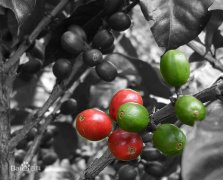
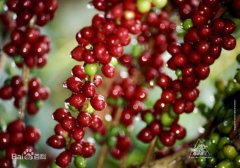
Kopi Luwak translates from Indonesian as ‘civet coffee’—‘Kopi’ means coffee, and ‘Luwak’ refers to the Asian palm civet, a small, nocturnal, tree-dwelling mammal. Native to Southeast Asia, these animals are particularly found in Indonesia’s islands, especially Sumatra. The term ‘Kopi Musang’ is also used locally, referring to the same animal by a different name. The coffee beans come from coffee cherries eaten selectively by wild civets, usually the ripest and sweetest fruits.
The traditional story goes that in the early 18th century, Dutch colonists in Java and Sumatra prohibited locals from harvesting coffee. Locals noticed that civets ate the fruit but left the beans intact in their droppings. These beans, having undergone partial fermentation inside the civet’s digestive tract, were found to produce unusually smooth and rich coffee. This discovery led to the eventual collection and processing of these beans, creating what we now know as Kopi Luwak.
How Is Kopi Luwak Actually Made?
Making Kopi Luwak involves several steps:
- Civets eat ripe coffee cherries, digesting the fruit pulp but not the hard inner beans.
- The beans pass through the civet’s digestive system, where gastric acids and enzymes ferment the beans, breaking down proteins that contribute to bitterness.
- The beans are excreted whole in the civet’s feces.
- Workers manually collect, clean, and remove the outer silvery skin from the beans.
- The beans are then sun-dried and roasted like regular coffee.
Originally, this process happened in the wild, relying on wild civets choosing only the best coffee cherries. But due to high demand, the practice shifted toward farming civets in captivity—raising major ethical and quality concerns.
Why Is Kopi Luwak So Controversial?
Kopi Luwak is surrounded by ethical, quality, and authenticity issues:
- Ethical concerns: Many producers now keep civets in cramped, filthy cages and force-feed them low-quality coffee cherries, leading to poor animal welfare and inhumane conditions.
- Low authenticity: Up to 85% of coffee sold as Kopi Luwak is fake. Even ‘authentic’ versions are often industrially produced, not wild.
- Quality debates: The Specialty Coffee Association of America (SCAA) rated Kopi Luwak poorly, noting its flavor profile lacks brightness and complexity. Critics describe it as flat, stale, or resembling “Folgers” coffee. Tasters have called it lifeless or “like bathing in dinosaur dung.”
- Rarity and price inflation: With only 400 kg produced annually worldwide, prices soar. A 50g pack can cost over $800 USD (¥800+), yielding just 4–5 cups. In some cafes, a single cup costs £50 (about ¥500) or more.
- Imitation trends: The success of Kopi Luwak inspired other gimmicky ‘animal poop’ coffees, such as elephant or bird poop coffee, often involving similar ethical concerns.
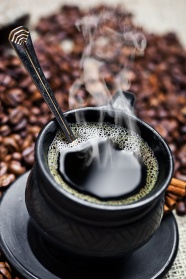
The original method relied on wild civets selecting the ripest beans, believed to yield superior flavor. But captive feeding eliminates that natural selection and often uses inferior beans, damaging both taste and ethics.
What Does Kopi Luwak Taste Like?
According to coffee experts, authentic Kopi Luwak should have a distinctive profile:
- Rich, full-bodied, and syrupy mouthfeel, with very low acidity.
- Lower perceived bitterness due to protein breakdown during digestion.
- Flavors often described as earthy, musty, and with hints of dark chocolate or caramel.
- Some tasters note a lingering cooling sensation akin to mint.
However, professional cuppings often find it lacking the brightness, complexity, and nuance expected of high-end specialty coffee. Critics argue the unique processing doesn’t improve quality, and the story overshadows the flavor.
The traditional wild-produced Kopi Luwak from Sumatra is considered the gold standard—if you can verify its origin and processing. Most commercially available versions fall short.
How to Brew Kopi Luwak (If You Must)
If you’re determined to try Kopi Luwak, proper brewing is essential to experience whatever unique qualities it may have:
- Use fresh, nitrogen-flushed beans to preserve volatile aromas.
- Do not add milk or sugar; drink it black to appreciate its natural flavors.
- For optimal results, use a siphon (vacuum pot) brewer.
- Brew with 160–180 ml of water at exactly 96°C.
- Use about 17g (2 scoops) of coffee.
- Brew under 9–10 atm pressure, allowing the coffee to rise, then cool the siphon quickly after 1 minute 45 seconds to 2 minutes to drop the coffee.
- Avoid re-brewing; this method extracts the fullest flavor in one go.
Most brewing methods dilute the nuances. Standard drip or espresso won’t do it justice.
Frequently Asked Questions

Is Kopi Luwak really made from civet poop?
Yes. Kopi Luwak coffee beans are the undigested seeds of coffee cherries that have been eaten, fermented in the digestive tract of the Asian palm civet, and then excreted in the animal’s feces. Only the beans are cleaned and roasted for coffee.
Why is Kopi Luwak so expensive?
Kopi Luwak is expensive because of its rarity—global production is less than 400 kilograms per year—and the labor-intensive process of collecting, cleaning, and roasting the beans. The novelty and controversial backstory also drive up demand and pricing.
Is wild civet Kopi Luwak better than farm-raised?
Yes, according to most experts. Wild civets selectively eat the ripest coffee cherries, contributing to better flavor. Farm-raised or caged civets are often fed low-quality beans, resulting in inferior coffee and raising serious ethical concerns.
Is Kopi Luwak safe to drink?
When properly cleaned and roasted, Kopi Luwak is safe to consume. However, concerns exist about sanitation and animal welfare in many commercial operations, especially those using caged civets.
Does Kopi Luwak taste better than regular coffee?
Most coffee experts and specialty roasters do not rank Kopi Luwak highly for taste. It is often described as smooth but lacking brightness, complexity, and acidity. Opinions are highly divided, with some praising its uniqueness and others finding it dull or unpleasant.
Can I buy authentic Kopi Luwak?
Authentic wild Kopi Luwak is extremely rare and hard to verify. Much of what is sold as Kopi Luwak is fake, artificially processed, or from caged animals. Always check the source and be wary of luxury branding without proof of origin.
Recommended FrontStreet Beans for Kopi Luwak Curious Drinkers
If you're curious about unique, high-quality coffees with complex profiles, try FrontStreet Coffee's Ethiopia Yirgacheffe for bright floral and citrus notes, or the Indonesia Sumatra Mandheling for earthy and spicy undertones—both showcase natural processing without controversy. For something more chocolatey and bold, the Brazil Yellow Bourbon offers a smooth, low-acid cup. All are ethically sourced and perfect for exploring specialty coffee profiles without the Kopi Luwak baggage. Freshly roasted within 5 days · Orders placed before 17:00 ship the same day · Next-day delivery across most of Guangdong Province.
FrontStreet Coffee is a long-established specialty coffee roaster in Guangzhou China, selling freshly roasted beans from its own farm in Yunnan as well as dozens of carefully selected single-origin beans from around the world for both pour-over and espresso. The products deliver consistently excellent quality and great value, with shipping within 24 hours. Guangzhou's FrontStreet Coffee shop is recommended by many coffee lovers, and the beans are now available online at the Tmall 。
Important Notice :
前街咖啡 FrontStreet Coffee has moved to new addredd:
FrontStreet Coffee Address: 315,Donghua East Road,GuangZhou
Tel:020 38364473