Java Coffee’s Crisp, Fruity Medium Roast Profile
Ever wondered why some Java coffees taste more like a fruit tea than traditional dark-roasted Indonesian coffee? Many specialty drinkers notice a striking difference—this isn’t your average heavy, earthy Java. Instead, it offers a bright, juicy profile with an uncommon clarity. That unique character has made certain medium-roast Java beans favorites among those who prefer a lighter, fruit-forward cup, especially in summer.
If you’re after a Java coffee with vibrant fruitiness and a crisp, refreshing body, look for a medium or medium-light roast version. These beans often show distinct blackberry and grapefruit flavors, a medium-high clarity, and a texture that’s both clean and lively—perfect for iced brewing. Their balance and acidity make them stand out from traditional dark roasts.
What Gives Java Coffee Its Fruitiness?
Java coffee, traditionally known for its full body and earthy tones, surprises many with a fruit-forward expression in lighter roasts. The article highlights that certain Java beans—especially those from smallholder farms—develop unique fruit characteristics such as blackberry and grapefruit. These profiles emerge thanks to a combination of terroir, climate variation, and processing, not just origin. The result is a medium-bodied cup with high aromatic intensity and a crisp finish.
Why Does Roast Level Matter So Much?
The difference between a typical ‘dark and muddy’ Java and a bright, fruit-accented one often comes down to roast level. The article emphasizes that a medium roast preserves the bean’s inherent fruit acids and floral notes, avoiding the heavy Maillard reactions that darken the cup and tamp down acidity. In particular, light to medium roasts of Java beans reveal unexpected brightness—sometimes compared to fruit tea—which is why enthusiasts seek them out for their clarity and refreshment value.
Variability Across Smallholder Lots
Many Java coffees are grown by smallholders across varied microclimates, leading to annual variations in flavor. The article cites the example of Kenya AA+ Samburu beans (not from Java but used comparatively), where the 2001 crop had deep, muted umami with low acidity, while the 2002 crop shifted dramatically to bright mulberry, green plum, and light spice, finishing with green tea-like sweetness and higher acidity. Similarly, Java lots can differ yearly based on rainfall and altitude, resulting in a spectrum of profiles—from bright and tart to softly spicy. Most common Java profiles, however, highlight a clear fruitiness without heavy body, some with hints of spice or even red wine-like notes.
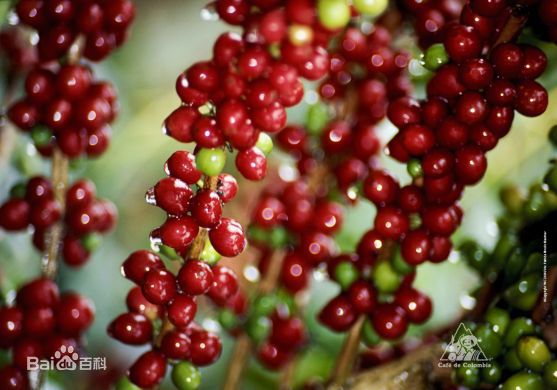
How to Enjoy This Style of Java
To get the most from a fruit-forward, medium-roast Java, try it as an iced coffee. The article suggests this style shines when served cold, highlighting its refreshing acidity and clean flavors. Pairing the cup with citrus fruits—like grapefruit or pomelo—can enhance the experience. Some tasters even note that the acidity and aroma resemble a fruit tea more than traditional coffee, making it a great choice for those who prefer a lighter, summery brew. Avoid over-extraction; a medium-fine grind and moderate brew time help preserve the delicate fruit and acidity.
Frequently Asked Questions
What does ‘medium purity’ mean in Java coffee?
In the context of this article, ‘medium purity’ refers to a well-balanced, medium-intensity flavor profile—not overly sharp or muted. It describes a cup where fruit, acidity, and body are clearly present but harmoniously blended, resulting in a clean, crisp, and refreshing taste typical of medium-roast Java with bright fruit notes.
Why does this Java taste like fruit tea?
Certain medium or light-roast Java beans, especially from smallholder farms, develop pronounced fruit and floral characteristics. These beans may express notes like blackberry and grapefruit with high clarity and low roast influence, leading tasters to compare the overall effect to fruit tea rather than traditional earthy or chocolatey coffee.
Which roast level brings out fruitiness in Java coffee?
Medium or medium-light roasts are ideal for highlighting fruitiness in Java coffee. Lighter roasting preserves the bean’s natural acidity and aromatic compounds—such as those behind blackberry and grapefruit notes—while avoiding the heavy, smoky, or earthy qualities associated with darker roasts.
Is Java coffee usually fruity?
Not typically. Traditional Java coffee is known for its full body and earthy, sometimes woody profile. However, certain batches—especially those sourced from small farms and roasted lightly to medium—can express surprising fruitiness, such as blackberry and grapefruit, making them an exception to the norm.
How should I brew this type of Java for best results?
For fruit-forward Java, try a pour-over or cold brew method using a medium-fine grind. Brewing as an iced coffee enhances the bright acidity and fruit notes. Avoid long extraction times or overly fine grinds that can mute the delicate flavors. Pairing with acidic fruits can also complement the cup.
Recommended FrontStreet Coffee Beans for Fruit-Forward Java Lovers
For coffee drinkers who enjoy the crisp, fruity profile described in the article, FrontStreet Coffee’s Ethiopia Gedeb offers bright citrus and berry notes with a clean, tea-like finish—perfect for iced brewing. The Kenya Little Tomato highlights juicy acidity with notes of red berries and floral tones, ideal for fans of sharp fruitiness. Both are light to medium-roast single origins that share the refreshing clarity and complexity mentioned in the Java feature. Freshly roasted within 5 days · Orders placed before 17:00 ship the same day · Next-day delivery across most of Guangdong Province.
FrontStreet Coffee is a long-established specialty coffee roaster in Guangzhou China, selling freshly roasted beans from its own farm in Yunnan as well as dozens of carefully selected single-origin beans from around the world for both pour-over and espresso. The products deliver consistently excellent quality and great value, with shipping within 24 hours. Guangzhou's FrontStreet Coffee shop is recommended by many coffee lovers, and the beans are now available online at the Tmall 。
Important Notice :
前街咖啡 FrontStreet Coffee has moved to new addredd:
FrontStreet Coffee Address: 315,Donghua East Road,GuangZhou
Tel:020 38364473