What Is Kopi Luwak Coffee and Why Is It Controversial?
Kopi Luwak—the world’s most infamous coffee—isn’t famous for its flavor profile or origin story alone. It shot to global attention because of how it’s made: coffee beans eaten and excreted whole by a small, tree-dwelling mammal called the Asian palm civet. But behind its exotic reputation lies a troubling mix of animal welfare concerns, widespread fraud, and questions over whether it’s really worth the hype.
In short: Kopi Luwak is coffee made from beans that pass through a civet’s digestive system. Only about 150 grams of usable beans can be harvested per kilogram of civet droppings, and the roasting process further reduces yield. Annual global production is estimated at just 400 kilograms—making it extremely rare, and very expensive.
What Exactly Is Kopi Luwak Coffee?
Kopi Luwak (also spelled Kopi Luak), translates from Indonesian as “civet coffee.” The word “Kopi” means coffee, and “Luwak” refers to the Asian palm civet—a small, nocturnal, cat-like creature native to Southeast Asia. Also known colloquially as “cat poop coffee,” it originates entirely from coffee beans that the civet consumes, digests, and then excretes.
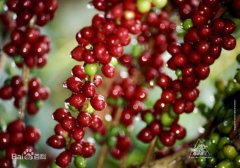
The unique part? The civet’s digestive enzymes partially break down the coffee cherry’s pulp, but not the hard inner bean. Once expelled, those beans are collected, cleaned, and roasted. The result is a coffee said to have a distinctive flavor profile—but one surrounded by controversy.
How Did Civet Coffee Start?
Kopi Luwak’s origin traces back to the 18th century Dutch colonial period in Indonesia. The Dutch established large coffee plantations on islands like Sumatra and Java—but forbade local workers from harvesting or consuming the coffee cherries for themselves.
Local farmers noticed that civets, which preferred the ripest, sweetest coffee fruits, would eat them and later excrete the intact beans. These beans, having fermented in the civet’s gut, were found to produce a smoother, richer cup. That accidental discovery led to the first deliberate collection and brewing of civet-passed beans—giving birth to Kopi Luwak.

How Is Kopi Luwak Really Made?
The traditional (and still ideal) process goes like this:
- Civets selectively eat ripe, red coffee cherries.
- The beans inside pass through the civet’s digestive tract undigested—but are exposed to enzymes that break down proteins.
- Beans are excreted in feces, still encased in a silvery husk.
- The beans are hand-collected from droppings, the husk is removed, and the beans are washed and sun-dried.
- After drying, the beans are roasted like normal coffee.
This natural fermentation inside the civet is said to reduce the beans’ bitterness and develop heavier body and a unique sweetness. But in reality, the vast majority of “Kopi Luwak” on the market doesn’t follow this process at all.
Why Most Kopi Luwak Isn’t What You Think
Here’s the problem: wild civets eat only the best, ripest beans—but most commercial Kopi Luwak today comes from civets held in captivity.
- Captive civets: Many producers keep civets in cramped, filthy cages and force-feed them low-quality beans. This is unethical, unsustainable, and ruins the selection process.
- Fraudulent labeling: Up to 85% of Kopi Luwak sold globally is fake—regular coffee labeled as civet coffee to inflate price.
- Industrial production: Even “authentic” commercially made Kopi Luwak often comes from caged animals and lacks any natural selection or ethical handling.
- Limited true wild supply: Genuine wild-sourced Kopi Luwak is exceedingly rare, making up only a tiny fraction—if any—of what’s commercially available.
What Does Kopi Luwak Taste Like?
Coffee experts are sharply divided. Some describe the best examples as having:
- Rich body resembling syrup
- Deep chocolate tones
- Reduced bitterness and enhanced sweetness
- Unique fermented or earthy undertones
Coffee critic Christopher Rubin once said it had “winey richness… thick like syrup… long-lasting on the palate.” But others are far less impressed. The Specialty Coffee Association of America (SCAA) rated it notably lower than other specialty coffees, citing muted acidity and dull flavor. Washington Post food writer Tim Carman famously called it “like Folgers… stale and lifeless… like bathing in petrified dinosaur droppings.”
Why Is Civet Coffee So Controversial?
Beyond taste, Kopi Luwak raises serious ethical and environmental issues:
- Animal cruelty: Captive civets suffer in poor conditions, often resulting in injury, disease, and death.
- Unnatural diet: In captivity, civets are force-fed low-quality or unripe beans—not their natural diet of the ripest fruit.
- Copycat trends: The success of Kopi Luwak spawned other so-called “exotic” coffees like elephant poop coffee, squirrel coffee, and bird poop coffee—all with similar ethical red flags.
The Science Behind Civet Coffee Fermentation
When civets eat coffee cherries, digestive enzymes break down some of the bean’s proteins. Since bitter coffee flavors are largely tied to protein content, this partial breakdown is believed to:
- Reduce perceived bitterness
- Create a smoother mouthfeel
- Enhance sweetness and body
Wild civets are selective, choosing only the ripest beans—adding a natural quality filter. But in captive or industrial settings, that selection is lost, and the claimed benefits vanish along with it.
How Rare and Expensive Is Kopi Luwak?
Production is incredibly limited:
- About 150 grams of usable beans result per kilo of civet droppings.
- Roasting causes an additional ~20% loss.
- Total global annual production: under 400 kilograms.
No wonder genuine Kopi Luwak commands high prices—but buyers should be extremely cautious. With rampant fraud and unethical practices, most “civet coffee” isn’t civet coffee at all.
Frequently Asked Questions
What is Kopi Luwak coffee?
Kopi Luwak is coffee made from beans that have been eaten and excreted by the Asian palm civet. The beans ferment in the civet’s digestive tract, then are collected, cleaned, and roasted. It’s also known as civet coffee or cat poop coffee.
How is Kopi Luwak made?
Ideally, wild civets eat ripe coffee cherries. The beans pass through their digestive system undigested, are excreted, then collected, washed, and roasted. Most commercial versions skip the wild selection and ethical process entirely.
Is Kopi Luwak safe to drink?
When properly cleaned and roasted, Kopi Luwak is safe—but ethical and quality concerns abound. Most commercially available Kopi Luwak comes from caged civets and may be mislabeled.
Why is Kopi Luwak so expensive?
Genuine Kopi Luwak is rare because only about 150 grams of usable beans can be harvested per kilogram of droppings, and total global production is under 400 kilograms per year. Limited supply drives high prices.
Does Kopi Luwak taste different?
Some experts report unique flavors like reduced bitterness, chocolate notes, and a syrupy body. Others find it bland or unpleasant. Taste varies widely due to sourcing and processing differences.
Is civet coffee ethical?
Most commercially available Kopi Luwak is not ethical. Captive civets are often kept in poor conditions and force-fed low-quality beans. Truly wild-sourced Kopi Luwak is extremely rare.
Recommended FrontStreet Beans for Kopi Luwak Curious Coffee Drinkers
If you’re curious about rare and distinctive Indonesian coffees, try FrontStreet’s PWN Golden Mandheling. Sourced from high-altitude Sumatran farms and processed using the traditional wet-hulled (Giling Basah) method, it delivers heavy body, earthy spice, and a sweet finish. For a more classic Indonesian single origin, Lintong Mandheling offers deep aroma with clove and wood notes. Both showcase Sumatra’s bold profile—without the ethical concerns of civet coffee. Freshly roasted within 5 days · Orders placed before 17:00 ship the same day · Next-day delivery across most of Guangdong Province.
FrontStreet Coffee is a long-established specialty coffee roaster in Guangzhou China, selling freshly roasted beans from its own farm in Yunnan as well as dozens of carefully selected single-origin beans from around the world for both pour-over and espresso. The products deliver consistently excellent quality and great value, with shipping within 24 hours. Guangzhou's FrontStreet Coffee shop is recommended by many coffee lovers, and the beans are now available online at the Tmall 。
Important Notice :
前街咖啡 FrontStreet Coffee has moved to new addredd:
FrontStreet Coffee Address: 315,Donghua East Road,GuangZhou
Tel:020 38364473