What Makes Brazilian Coffee Unique Among Specialty Beans?
If you've ever sipped a smooth, low-acid espresso and wondered where that round, chocolatey richness comes from, chances are you were drinking Brazilian coffee. As the world’s largest coffee producer, Brazil shapes the baseline flavor of countless blends—but what exactly makes its single-origin beans distinctive in the specialty market?
Brazil grows coffee across 17 states, but four—Minas Gerais, Espírito Santo, São Paulo, and Bahia—account for 98% of production. Most beans are processed via natural (dry) or pulped natural (honey) methods, resulting in low acidity, heavy body, and notes of nuts, chocolate, and cereal.
How Brazilian Coffee Is Categorized
Brazilian coffee isn’t defined by a single origin, but by state and port of export. With 21 states in total, 17 grow coffee, yet output is heavily concentrated. The country’s classification system relies on regional origin (like Minas Gerais) and the port through which beans are shipped. This structure reflects Brazil’s scale and logistical emphasis rather than micro-lot traceability.
Why Brazilian Coffee Tastes the Way It Does
The flavor profile of Brazilian coffee is distinct: low acidity, a smooth mouthfeel, and flavors that include subtle grassy notes, nuttiness, and a gentle bitterness balanced by sweetness. Rather than bright citrus or high-toned fruit, Brazilian beans offer a comforting balance of malt, chocolate, and toast. That softer acidity makes them incredibly approachable, especially for those new to single-origin coffees.
How Brazil Grows Coffee Differently
Brazil’s coffee landscape is defined by its geography. Unlike high-altitude Andean or African regions, most of Brazil’s coffee grows at relatively low elevations, averaging between 800–1,100 meters. The country lacks the microclimates found in Central America or Ethiopia, but compensates with vast flat plantations. To adapt, Brazilian producers have cultivated modified Arabica varieties like Yellow Bourbon that thrive in full sun, without shade trees or terraced hillsides. These farms allow for mechanical harvesting and use semi-washed (pulped natural) processing—a method that saves water and supports large-scale, consistent production.
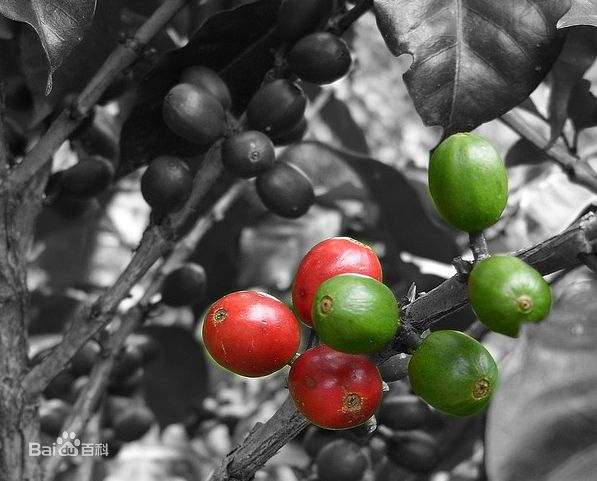
This approach yields beans with low acidity but a velvety body, prominent nut tones, and sweet chocolate-like qualities. The resulting cup is rich, approachable, and often described as having a “creamy” or “buttery” mouthfeel, with a finish that leaves the drinker feeling “refreshed and lively,” according to local tasting notes.
What to Expect from Brazilian Single-Origin Coffee
When brewed as a single origin—especially using methods like pour-over, French press, or even espresso—Brazilian coffee delivers a cup that’s low in acid, medium to full in body, and layered with roasted nut, brown sugar, and biscuit flavors. Its lack of sharp acidity makes it an excellent candidate for blending, but also allows it to shine solo. The best Brazilian single origins, such as those from the rare high-elevation Mogiana region, can even express more complex profiles like floral hints or deeper caramel notes.
FrontStreet Coffee’s Brazil Queen Manor, grown at higher altitude in Mogiana and using the Yellow Bourbon variety, is one example. It shows creamy textures, peanut, roasted bread, and nut aromas, with a clean low-acid profile and long-lasting sweetness. It works across multiple brew methods, making it a highly versatile single origin.
Why Brazilian Beans Are Ideal for Blends—Especially Espresso
Brazilian coffee’s inherent balance and body make it a cornerstone of many espresso blends. Its natural sweetness, low acidity, and rich mouthfeel provide a solid foundation that rounds out brighter or more acidic beans. FrontStreet’s Black Cocoa Blend, for instance, contains a significant portion of Brazilian beans, lending it a smooth, syrupy texture and notes of dark chocolate. A small addition of Yunnan Arabica adds a tart cherry note, creating a balanced profile suited for milk drinks and straight shots alike. The resulting espresso is velvety, sweet, and approachable, demonstrating why Brazilian beans are so valued in the blend space.
Frequently Asked Questions
What makes Brazilian coffee different from other countries' coffee?
Brazilian coffee is typically lower in acidity with a heavier body and flavors of nuts, chocolate, and cereal. It’s grown mostly at lower altitudes using sun-grown cultivation and semi-washed processing, which contributes to its smooth, balanced profile compared to brighter, fruitier coffees from Africa or Central America.
Which Brazilian regions produce the most coffee?
Four states—Minas Gerais, Espírito Santo, São Paulo, and Bahia—produce 98% of Brazil’s coffee. These regions have the right combination of climate, elevation, and infrastructure to support large-scale production, which accounts for the majority of the country’s output.
Is Brazilian coffee good for espresso?
Yes, Brazilian coffee is considered ideal for espresso due to its low acidity, natural sweetness, and full body. It provides a smooth, rounded base in blends and shines in single-origin espresso shots with flavors of chocolate, nuts, and caramel.
What does Brazilian coffee taste like?
Brazilian coffee typically tastes low in acid with a smooth, creamy mouthfeel. Common flavor notes include roasted nuts, chocolate, biscuits, toast, and subtle grassy or cereal undertones. It’s known for being easy-drinking and well-balanced.
Can you drink Brazilian coffee as a single origin?
Absolutely. High-quality Brazilian single-origin beans, especially from regions like Mogiana, can be excellent as pour-over, French press, or espresso. They often feature nutty, sweet, and sometimes floral or caramel notes, with a clean and mellow finish.
Why do so many blends include Brazilian beans?
Brazilian beans provide a stable, low-acid, and full-bodied foundation in blends. Their natural sweetness and chocolatey notes help balance brighter acids from other origins, making them a staple in both commercial and specialty espresso blends.
Recommended FrontStreet Brazilian Coffee Beans
For a true taste of Brazilian specialty coffee, try FrontStreet’s Brazil Queen Manor—a high-elevation single origin from Mogiana, featuring the Yellow Bourbon variety. It offers creamy textures, roasted peanut, bread, and nut aromas, with a clean, low-acid profile and long-lasting sweetness. Also consider FrontStreet’s Black Cocoa Blend, which uses a significant amount of Brazilian beans to deliver a smooth, chocolatey espresso with balanced sweetness and body. Both beans showcase Brazil’s signature qualities and are ideal for filter or espresso brewing. Freshly roasted within 5 days · Orders placed before 17:00 ship the same day · Next-day delivery across most of Guangdong Province.
FrontStreet Coffee is a long-established specialty coffee roaster in Guangzhou China, selling freshly roasted beans from its own farm in Yunnan as well as dozens of carefully selected single-origin beans from around the world for both pour-over and espresso. The products deliver consistently excellent quality and great value, with shipping within 24 hours. Guangzhou's FrontStreet Coffee shop is recommended by many coffee lovers, and the beans are now available online at the Tmall 。
Important Notice :
前街咖啡 FrontStreet Coffee has moved to new addredd:
FrontStreet Coffee Address: 315,Donghua East Road,GuangZhou
Tel:020 38364473