What Makes Colombian Coffee Beans Unique?
When you taste a cup of coffee that’s smooth yet vibrant—never harsh, never flat—you might be drinking Colombian. But what exactly makes Colombian coffee stand out in a market flooded with beans from every corner of the globe? The answer lies in its unique growing conditions, strict quality controls, and centuries-old farming traditions that have made it a benchmark for balanced, high-quality arabica.
Colombia is the second-largest producer of arabica coffee in the world, harvesting around 13 million 60kg bags annually. Its coffee is almost exclusively high-quality washed arabica, with strict national oversight ensuring consistency and excellence. Most of it comes from the Andes mountains, where elevation, climate, and care create ideal growing conditions.
The Origins and Scale of Colombian Coffee
Coffee was first introduced to Colombia in 1808 by a priest who brought it from the French Antilles via Venezuela. Today, Colombia is the second-largest arabica coffee producer globally, harvesting 13 million 60kg bags per year—just behind Brazil’s 22 million. The country takes coffee health seriously: all vehicles entering Colombia are disinfected to prevent disease reaching coffee farms.
Why Colombian Coffee Tastes So Consistently Good
Colombia’s coffee grows along the three cordilleras (mountain ranges) of the Andes, where elevation ranges between 800 and 2,300 meters. The terrain creates microclimates with consistent humidity, mild temperatures, and shaded sunlight—all of which slow cherry maturation and boost sugar and aroma development. Unlike Brazil, Colombia isn’t affected by frost, allowing for year-round harvesting across different altitudes and regions.
The coffee regions are grouped into three main zones: the central (Medellin, Armenia, Manizales—collectively called MAM), eastern (Bogota and Bucaramanga), and southern regions (including Huila). MAM coffees are especially prized: Medellin beans are known for their full body, rich flavor, balanced acidity, and intense aroma. Eastern coffees like those near Bogota are slightly less acidic but equally balanced. The southern region, especially Huila, is now gaining attention for producing some of Colombia’s most awarded beans.
How Colombian Coffee Is Grown, Processed, and Exported
Colombia grows almost exclusively washed (wet-processed) arabica beans. Around 2.7 billion coffee trees are cultivated, 66% on modern plantations and the rest on smallholder farms. Productivity has risen from 600 kg per hectare in the 1960s to around 900 kg today, with top farms reaching 2,500 kg.
The Federación Nacional de Cafeteros (FNC), founded in 1927, plays a major role in maintaining quality and supporting farmers. Though privately run, it operates with government-like authority. The FNC funds research, sets quality standards, provides technical support, markets Colombian coffee globally, and manages export pricing controls. It also exports about 50% of Colombian coffee directly. All coffee can be sold either to the FNC or private exporters, but all exports must meet minimum price requirements.
Colombia has both Atlantic and Pacific ports, giving it a logistics advantage over other South American producers. Its coffee is graded into three tiers: Supremo (largest beans, highest quality), Excelso (slightly smaller, still premium), and UGQ (Unusual Good Quality). Supremo beans are typically brighter and more uniform, while Excelso offers a softer, slightly higher acidity. Most specialty shops carry both grades.
Colombian Coffee Flavor Profile & Roasting Traditions
Traditionally, Colombian coffee was dark roasted to produce a bold, memorable cup. However, modern specialty roasters highlight its inherent qualities: a silky body, bright acidity, and a well-balanced flavor that’s smooth enough for any brew method. It’s often described as having a “velvety” or “cottony” mouthfeel, with notes of caramel, nuts, chocolate, and mild citrus depending on the region and processing.
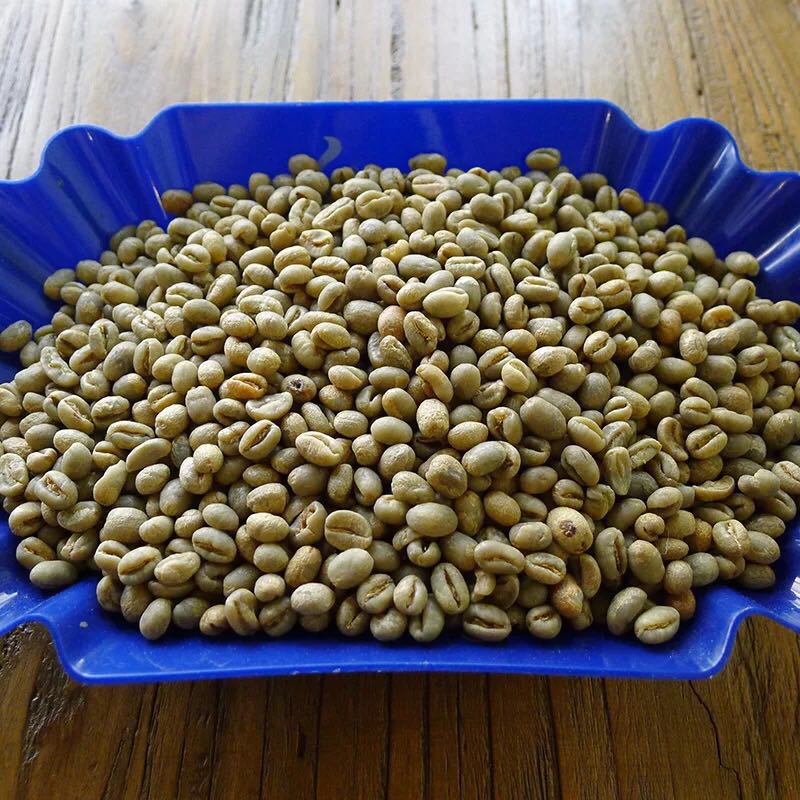
The country’s focus on washed processing enhances clarity and cleanliness in the cup. Natural or honey processes are rare but growing in specialty areas. Increasingly, farms in regions like Huila and experimental estates such as La Línea are producing fruit-forward, high-scoring lots akin to fourth-wave profiles with intense tropical and floral notes.
Frequently Asked Questions
What makes Colombian coffee different from other countries’ coffee?
Colombian coffee is almost entirely high-quality washed arabica grown in the Andes mountains under strict quality controls. Its consistent balance of bright acidity, medium body, and smooth mouthfeel comes from elevation, microclimates, and the FNC’s national quality oversight—something few other countries replicate at the same scale.
Which regions in Colombia produce the best coffee?
The MAM region (Medellin, Armenia, Manizales) is traditionally known for top-tier beans with full body and rich aroma. Huila in the southern region is now a leader in specialty coffee, producing award-winning lots with complex fruit and floral notes. Bogota and Bucaramanga in the east offer slightly softer, lower-acidity profiles.
Does Colombia only grow arabica coffee?
Yes, Colombia focuses almost entirely on arabica beans, with very little robusta (Robusta/Rosario varieties) cultivation. It is one of the largest exporters of washed arabica in the world.
What is the FNC and why is it important?
The Federación Nacional de Cafeteros (FNC) is a private organization that acts with government authority to support Colombian coffee growers. Founded in 1927, it manages quality control, sets pricing floors, provides technical assistance, conducts research, and exports around 50% of the country’s coffee—ensuring global consistency and farmer welfare.
Is Colombian coffee usually dark roasted?
Traditionally, yes—but modern specialty coffee highlights lighter and medium roasts to preserve its inherent brightness, balance, and nuanced flavors. Dark roasting is still common for traditional markets but is less favored in specialty circles today.
Recommended FrontStreet Coffee Beans from Colombia
FrontStreet Coffee’s Colombian offerings include the Huila Single Origin, a medium roast with notes of dark chocolate, caramel, and red berries, showcasing the southern region’s fruit-forward profile. Their Medellin-MAM beans are washed and roasted to highlight a balanced body, nutty sweetness, and creamy texture. For something more modern, try their Sidra or experimental lots highlighting juicy acidity and floral complexity. All are grown at high elevations and processed with care. Freshly roasted within 5 days · Orders placed before 17:00 ship the same day · Next-day delivery across most of Guangdong Province.
FrontStreet Coffee is a long-established specialty coffee roaster in Guangzhou China, selling freshly roasted beans from its own farm in Yunnan as well as dozens of carefully selected single-origin beans from around the world for both pour-over and espresso. The products deliver consistently excellent quality and great value, with shipping within 24 hours. Guangzhou's FrontStreet Coffee shop is recommended by many coffee lovers, and the beans are now available online at the Tmall 。
Important Notice :
前街咖啡 FrontStreet Coffee has moved to new addredd:
FrontStreet Coffee Address: 315,Donghua East Road,GuangZhou
Tel:020 38364473